



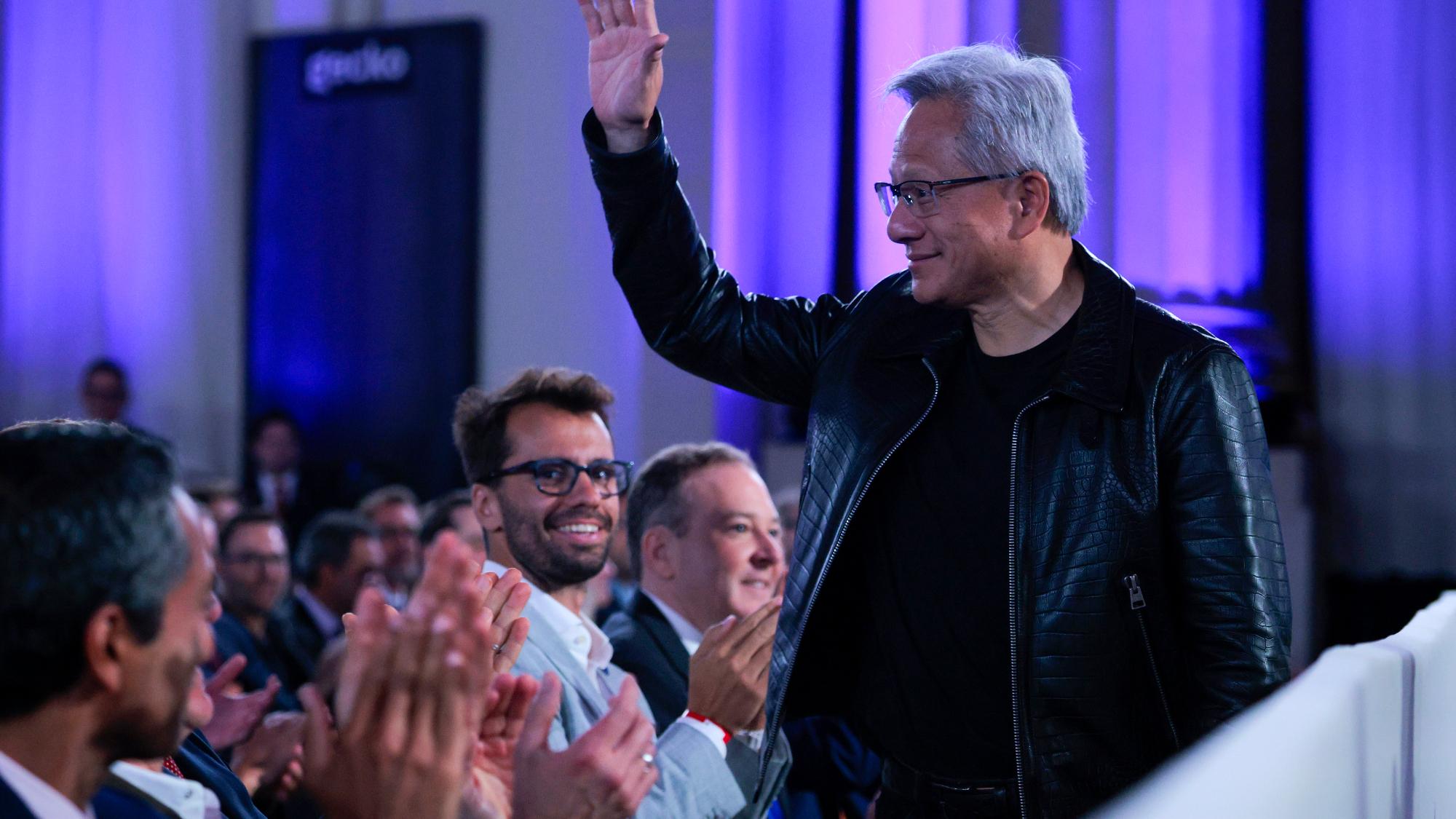
Nvidia CEO Jensen Huang’s return to the company following his resignation over reported personal relationships has sparked renewed debate about workplace accountability, gender inequality and the influence of powerful executives.
Nvidia’s board voted unanimously on Monday, Nov. 23, to reinstate Huang, reversing its earlier decision to accept his resignation.
The move came after pressure from President Donald Trump and influential figures in the technology industry who supported the CEO’s return.
Huang had resigned after acknowledging an extramarital affair with a woman suspected of having links to Chinese intelligence.
Reports also alleged that he had been involved with another woman who worked as his subordinate at Nvidia.
Huang acknowledged violating the company’s code of conduct, which warns employees against personal relationships that could create conflicts of interest.
In announcing his reinstatement, Nvidia’s board said it had received assurances from the U.S. government that his return did not present a national security concern.
READ: Breaking: Nvidia reinstates Jensen Huang as CEO after Trump backs decision (November 23, 2026)
However, the announcement did not address the workplace relationship allegations.
Trump publicly defended Huang and suggested the controversy could benefit the CEO’s reputation.
“Sex sells, fellas,” Trump said during an interview with CNBC.
The president also shared a doctored image of Huang holding a red bra, referencing a widely circulated photograph of Trump raising his fist after surviving an assassination attempt in Butler, Pennsylvania, in 2024.
The response drew criticism from advocates who said it risked normalizing inappropriate workplace behavior by powerful men.
Cheyenne Hunt, an attorney who founded the advocacy organization Reckoning Action, said Trump’s remarks reinforced the perception that some men use their influence to avoid accountability for their treatment of women.
“This sends a horrible message to men everywhere that it’s open season on their direct reports,” Hunt said.
Randall Peterson, a professor of organizational behavior at London Business School, said the #MeToo movement had strengthened expectations that senior executives should face scrutiny over relationships with subordinates because of the potential for coercion arising from unequal workplace power.
He warned that Huang’s reinstatement could undermine those expectations.
Following his return, Huang apologized to Nvidia employees, acknowledging that he had made mistakes and saying he was attending daily therapy, according to a livestreamed employee meeting reviewed by The New York Times.
READ: Jensen Huang resigns from Nvidia: Timeline of Chinese spy allegations and second affair report (November 12, 2026)
He also addressed criticism of his management style following reports that he had publicly berated employees and threatened violence against them.
Huang acknowledged that he had sometimes gone too far and said Nvidia’s human resources department would begin collecting feedback about his conduct.
University of Colorado Boulder law professor Ann Lipton said the circumstances surrounding his return suggested that highly successful executives could avoid consequences faced by others.
The controversy has also raised questions about the independence of Nvidia’s 10-member board and a corporate culture centered on its high-profile CEO.
Support for Huang remained strong among current and former employees, as well as technology industry figures who viewed his leadership and business relationships as important to Nvidia’s position in the artificial intelligence industry.
Nvidia shares surged 31.5% on the day of his reinstatement, although they subsequently declined.
Women account for 21% of Nvidia’s global workforce, according to its latest sustainability report.
The company also reports initiatives focused on gender pay parity, employee resource groups and family-supporting policies.
Fatima Goss Graves, president and CEO of the National Women’s Law Center, said Huang’s return could discourage employees from reporting workplace misconduct.
However, she said the #MeToo movement continued to encourage women to speak out.
“What comes next really matters,” Goss Graves said. “If everybody shrugs their shoulders and says some people are too important to be held accountable, then we will have a problem.”