



By Soumoshree Mukherjee
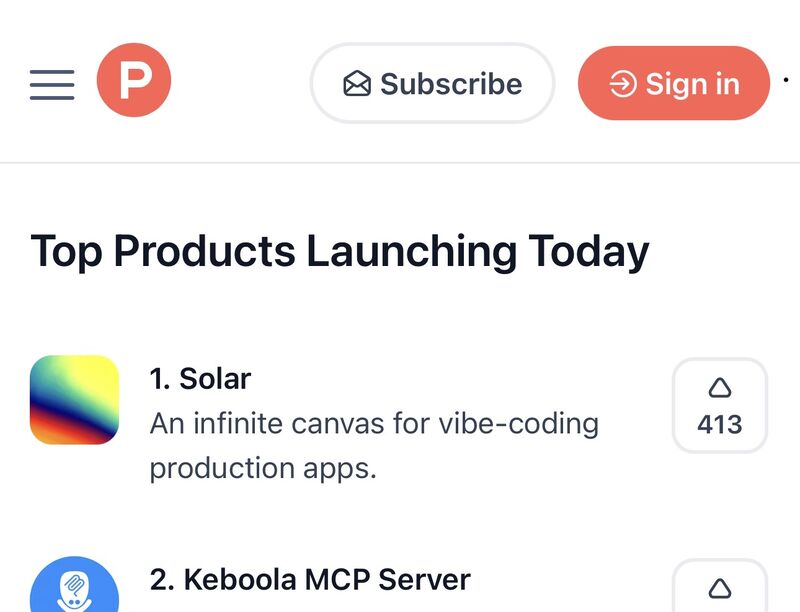
Solar, a cutting-edge “vibe-coding” platform from the applied AI lab Lumenary, officially launched on June 13.
Part of Y Combinator’s Summer 2024 batch, Lumenary’s Solar promises to transform the way teams design, build, and ship full-stack applications by enabling seamless collaboration between human developers and AI agents, turning concepts into live production apps in under an hour.
READ: Google CEO mentions ‘vibe coding’ with Replit, what does it mean? (June 4, 2025)
Founded by a close-knit team of engineers John McCambridge, Vivek Hazari, Dan D., and Ziray Hao who first met as undergraduates at Dartmouth University, Lumenary’s genesis is deeply rooted in longstanding collaboration and technical rigor. The founders bring elite experience from Palantir, Jane Street, IMC Trading, and Flatiron Health, where they built systems that processed petabytes of data, powered billion-dollar capital flows, and supported critical enterprise operations.
Solar was born as an internal tool the team developed to accelerate enterprise-grade AI demos. Frustrated with the limitations of existing AI app builders often plagued by slow feedback loops, brittle code, and confusing architecture the team set out to build something radically different. While explaining how most platforms prioritized frontend aesthetics over functionality, they said that we generally spent more time waiting and hoping than building.
With Solar, Lumenary introduces a multiplayer canvas where AI agents help design and construct robust, full-stack applications including backend logic, data architecture, and UI while maintaining transparency and control. Drawing inspiration from Figma’s collaborative design interface, Cursor’s code generation capabilities, and Retool’s reliability, Solar aims to combine flexibility, power, and safety in one unified experience.
READ: Amid surging energy demands from AI and data centers, Big Tech turns to nuclear power (November 29, 2024)
Solar’s beta phase already saw boundary-pushing use cases: algorithmic trading platforms operating in live markets, multiplayer gaming engines built from scratch, and even research papers turned into functional tools in under 30 minutes. Co-founder Hao said in a LinkedIn post, “Vibe coding isn’t new… but the early tools aren’t cutting it anymore.”
Now publicly available at try.solar, Solar reflects Lumenary’s long-term goal: making software development feel like whiteboarding. Or, as the team puts it, enabling “single teams to create billion-dollar companies” — one AI-powered company built at a time.