



By Kashmira
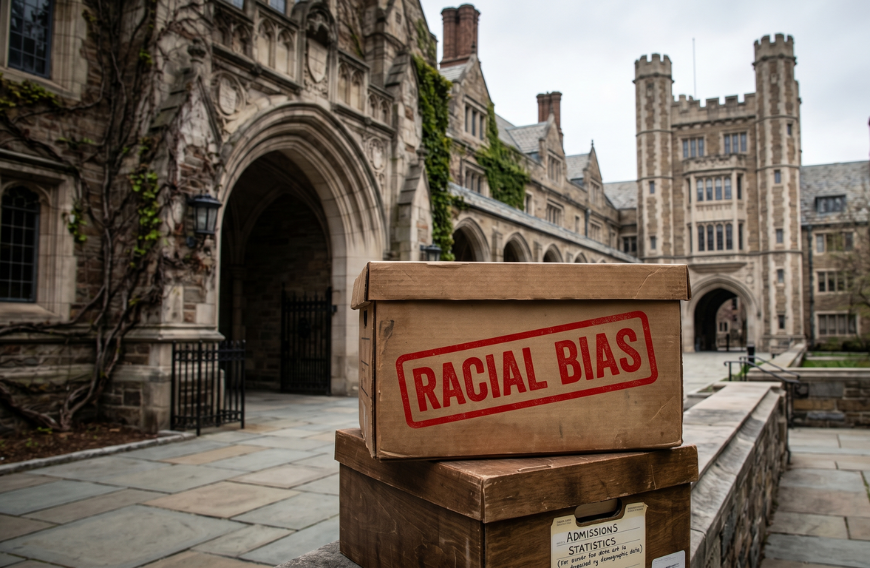
The United States Department of Justice (DOJ) said Yale School of Medicine discriminated against White and Asian applicants in its admissions process by favoring Black and Hispanic students. The findings came after a year-long federal investigation into the school’s admissions practices.
The DOJ said Yale violated federal civil rights law by “intentionally discriminating based on race” in admissions. Officials claimed Black and Hispanic applicants were admitted with lower academic qualifications than White and Asian applicants with similar test scores and GPAs. The DOJ also alleged Yale explored the use of “racial proxies” following the 2023 Supreme Court ruling against affirmative action.
READ: Yale announces free tuition, full aid for families under $100,000 (January 28, 2026)
The investigation follows the 2023 Supreme Court decision that barred colleges from considering race directly in admissions. The ruling forced universities across the U.S. to revise diversity and admissions policies. The Trump administration has since intensified scrutiny of elite universities and diversity initiatives.
Yale defended its admissions process and said the school remains confident in its “rigorous admissions process.” University officials said admitted students demonstrate exceptional academic achievement and commitment to public service. Yale stated it would review DOJ’s findings carefully.
The DOJ said it wants to negotiate a voluntary resolution agreement with Yale. Officials did not immediately announce penalties or funding cuts. Yale receives substantial federal research funding, including hundreds of millions of dollars from the National Institutes of Health.
READ: Shaili Gupta bridges medicine and AI technology at Yale (December 9, 2025)
Yale is the second medical school this month to face similar allegations from the DOJ after an investigation into University of California, Los Angeles’ medical school. Federal officials are also reviewing admissions practices at Stanford University, Ohio State University and University of California, San Diego.
The findings triggered debate online and within academic communities. Supporters of the DOJ investigation argued admissions should be based strictly on merit and academic performance. Critics said holistic admissions consider broader life experiences, inequality and barriers faced by underrepresented communities.
The Yale investigation reflects the growing national battle over affirmative action, diversity policies and merit-based admissions in higher education. As federal scrutiny of university admissions intensifies, the case could influence how medical schools and elite universities shape future admissions policies in the post-affirmative-action era.