



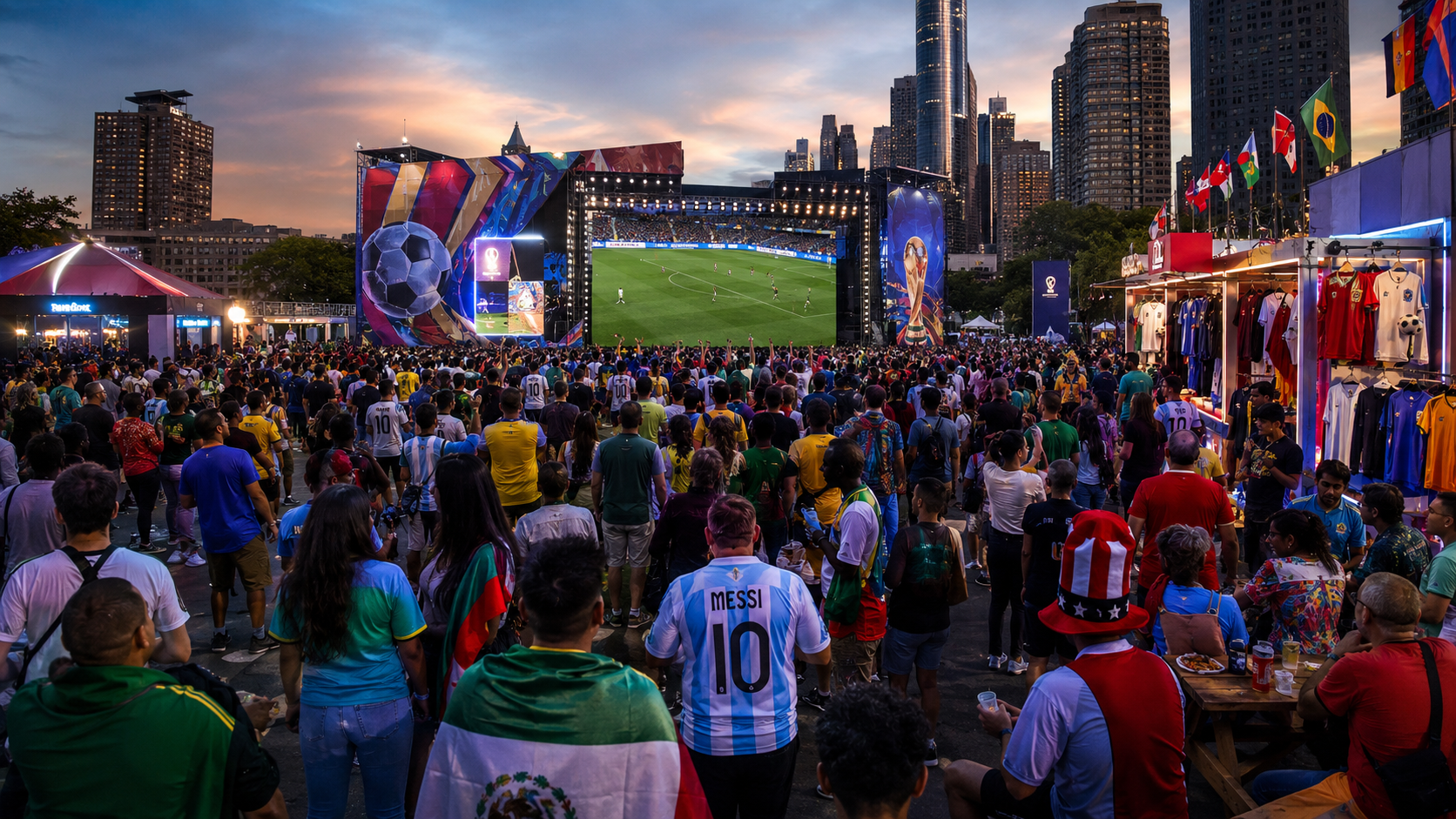
More than a year before the first whistle is blown, brands, retailers, and marketers have already positioned themselves to capitalize on the commercial opportunities surrounding the 2026 FIFA World Cup. This underscores the tournament’s growing influence on consumer culture in both the United States and around the world.
The World Cup, which will be jointly hosted by the United States, Canada, and Mexico, is expected to be the largest in the tournament’s history, featuring 48 national teams and 104 matches across 16 host cities. The scale of the event has prompted companies to launch merchandise, sponsorship campaigns, retail activations, and fan engagement initiatives months in advance.
READ: US visa denied despite FIFA ticket: Why travelers are worried ahead of World Cup (June 6, 2026)
According to Modern Retail, major brands including Adidas, Nike, and Coca-Cola have already begun rolling out World Cup-related products and marketing campaigns. Adidas introduced its official tournament ball and national team jerseys well ahead of the competition, while Nike executives have signaled plans for new football-focused apparel and streetwear collections aimed at younger consumers.
The early push reflects the enormous commercial stakes attached to the tournament. FIFA expects the 2026 event to generate record revenues, fueled by expanded sponsorship agreements, ticket sales, and unprecedented exposure in the North American market. Major global sponsors such as Coca-Cola, Visa, McDonald’s, and Bank of America are investing heavily in campaigns designed to connect with fans long before kickoff.
For American businesses, the World Cup represents an opportunity to further cement soccer’s growing place in U.S. sports culture. While football, basketball, and baseball continue to dominate domestically, soccer’s popularity has expanded significantly over the past decade, particularly among younger audiences and immigrant communities.
The event also carries special significance for the Indian diaspora. Although India has never qualified for a FIFA World Cup, football enjoys a passionate following across states such as West Bengal, Kerala, Goa, and parts of the Northeast. Millions of Indian fans closely follow international leagues and national teams, making World Cup viewing a major cultural event both in India and among Indian Americans.
READ: FIFA World Cup 2026: Five things fans are not allowed to bring or do (May 29, 2026)
That audience has not gone unnoticed. Brands increasingly view diaspora communities as an important segment of the global football market, particularly as streaming platforms and social media allow fans to engage with teams and players regardless of geography.
Not every company is pursuing official FIFA sponsorships. Many retailers and consumer brands are instead planning promotions, limited-edition products, local watch parties, and digital campaigns designed to benefit from World Cup enthusiasm without paying the steep costs associated with official partnerships.
As the countdown to 2026 continues, the tournament is shaping up to be more than a sporting spectacle. For brands, retailers, and marketers, it is becoming one of the most significant global consumer events of the decade, with opportunities extending far beyond the stadium and into homes, stores, and communities across America and around the world.