



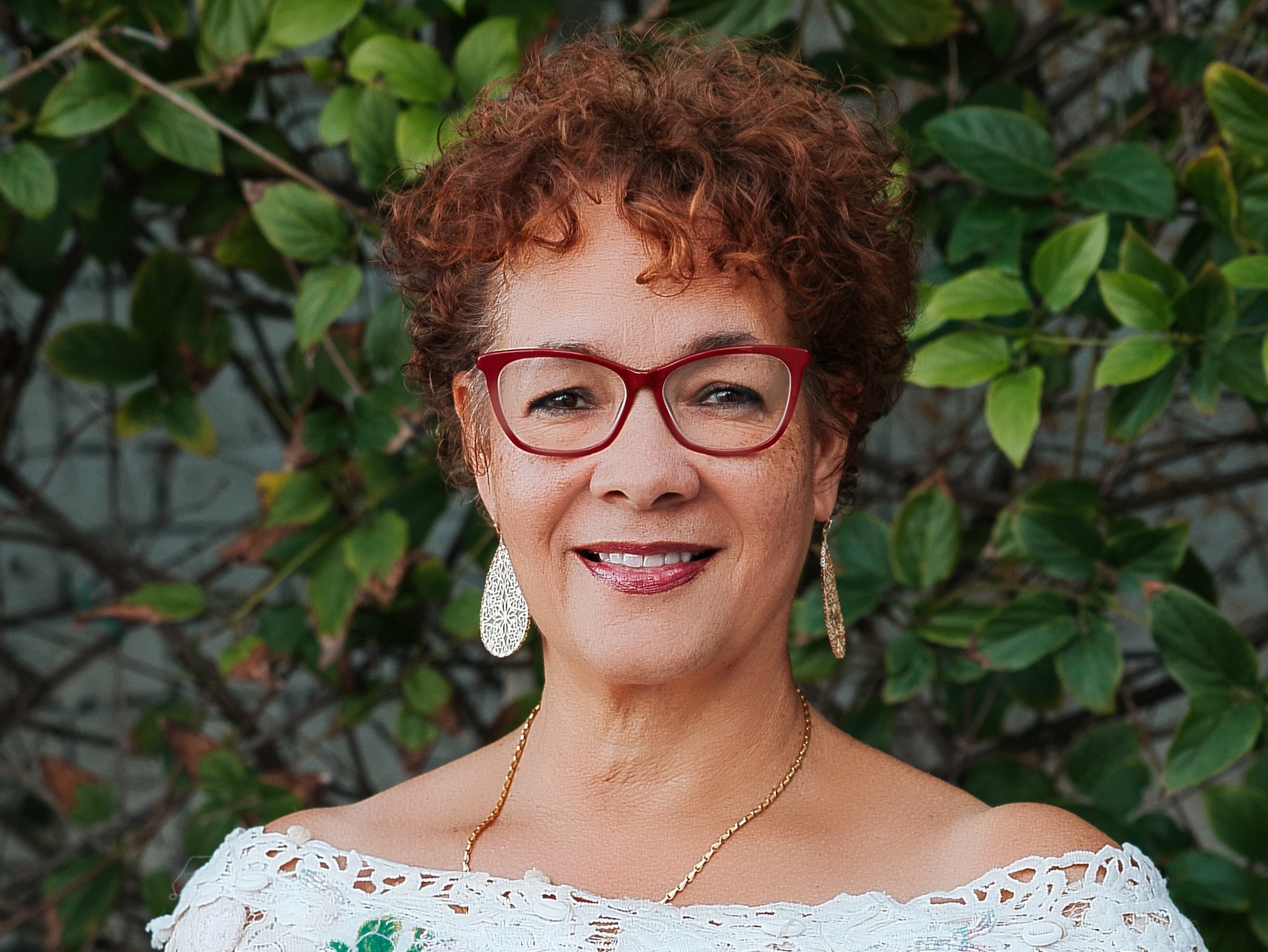
Life rarely unfolds exactly as we imagine. Sometimes, it is the unexpected moments that we never anticipate that quietly reshape who we are. For Nicole Kamaleson, two such moments, separated by more than three decades, transformed her understanding of identity, family, and belonging.
The first came when she was nineteen years old and discovered that one of the defining stories of her childhood was not true. The second arrived thirty-three years later, when her husband, Mano Kamaleson, an Indian-born social entrepreneur and microfinance leader from Tamil Nadu, was killed in a Taliban truck bombing while serving communities in Afghanistan. Together, those experiences became the foundation of Between the Bookends, her forthcoming memoir.
Spanning four continents, a twenty-seven-year intercultural marriage, a career in global executive search, and the raising of three multicultural sons, Nicole’s story is ultimately one of hope. It is about discovering that identity is shaped as much by the people who choose us as by the circumstances into which we are born, and that love, faith, and service can endure even through profound loss.
For Indian diaspora families, the memoir also explores questions that feel especially familiar. How do we raise children who are deeply rooted in one culture while embracing another? How do we preserve language, traditions, and values across generations? Through Mano, Nicole became part of a family whose commitment to service in Tamil Nadu stretched back decades, a legacy that continues today through the next generation and the family’s ongoing connection to South India.
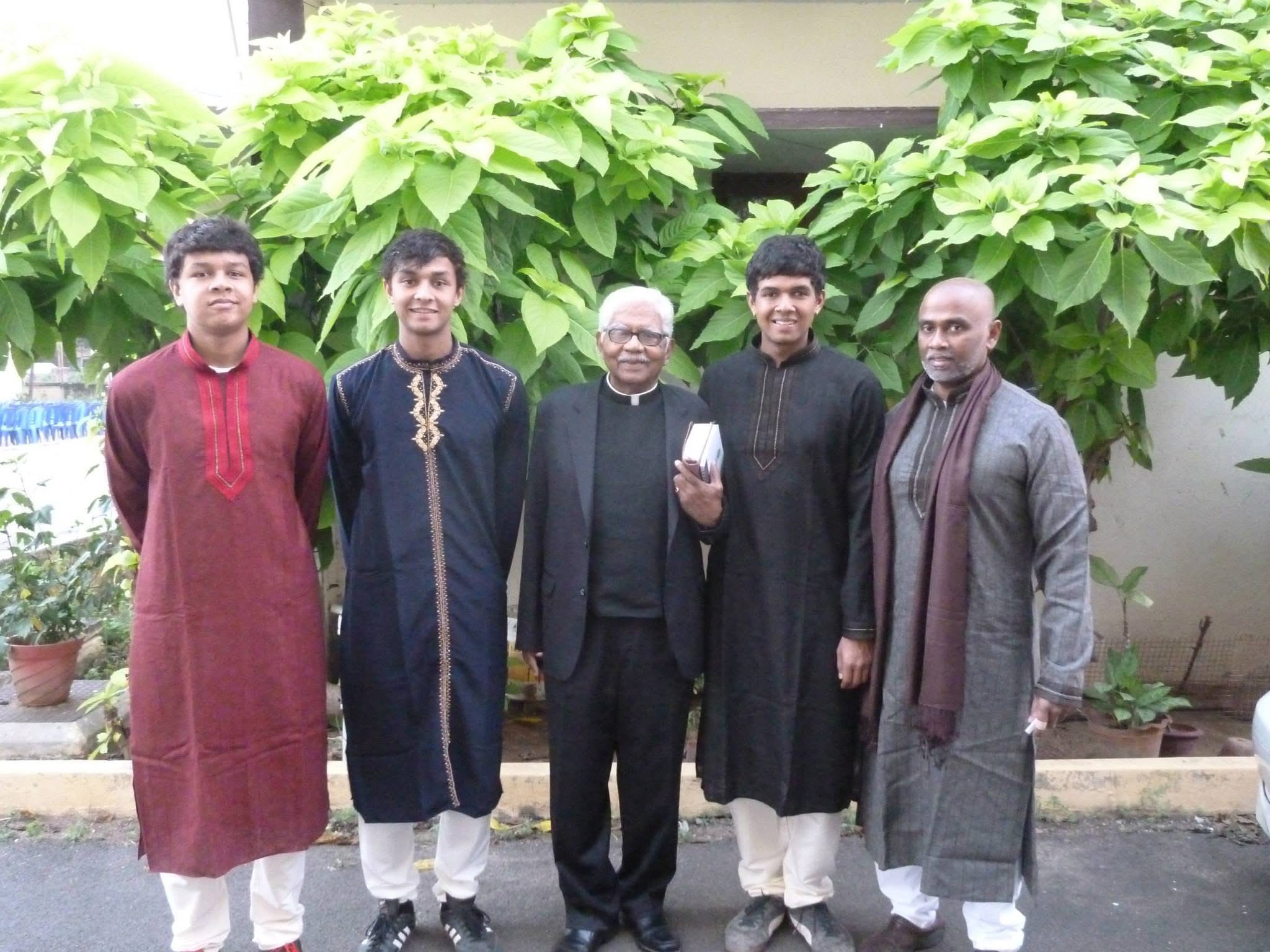
In this conversation, Nicole reflects on identity, raising children across cultures, honoring Mano’s legacy, and why she believes life’s greatest interruptions do not have the final word.
Between the Bookends opens with two extraordinary interruptions that changed the course of your life. What made you decide that now was the right time to tell this deeply personal story?
For years, people encouraged me to write a book about the first “bookend” of my life: the family secret I discovered at nineteen. I never felt compelled to write it until my first grandson was born and I realized he would never know his grandfather, my husband Mano, except through the stories we chose to leave behind. When our second grandson arrived a year later, that conviction only deepened. I wanted them to know the remarkable man who shaped our family and the life we built together across cultures and continents.
As I reflected on our story, I realized those two interruptions had not only changed my identity and sense of belonging, they had revealed God’s faithfulness through every chapter. During a season of healing in St. Thomas, I found the courage to write. With my mother’s reluctant blessing and my sons’ quiet support, it finally felt like the right time to tell my story.
READ: Isheeta Ganguly’s ‘Three Women’ takes center stage at JLF New York (August 6, 2026)
Identity sits at the heart of your memoir. How did discovering the truth about your own beginnings, and later building a life across cultures and continents, change your understanding of belonging?
My understanding of belonging evolved over a lifetime. Growing up, I believed I was Puerto Rican and adopted, so questions about where I came from lingered. Even as a child, I was curious about people. My mother often said I was a wanderer from the age of three, happily introducing myself to neighbors and making friends wherever I went. That curiosity became a thread running through my life.
Marrying Mano expanded my understanding of family. Although I was not born into an Indian family, I never felt like an outsider. His parents welcomed me with open hearts, and I often thought of Ruth’s words to Naomi: “Where you go I will go… Your people will be my people and your God my God.” Together, we built a family across cultures, continents, and traditions. I realized that belonging is not defined by biology or geography. It is created through love, commitment, shared purpose, and the people who choose one another.
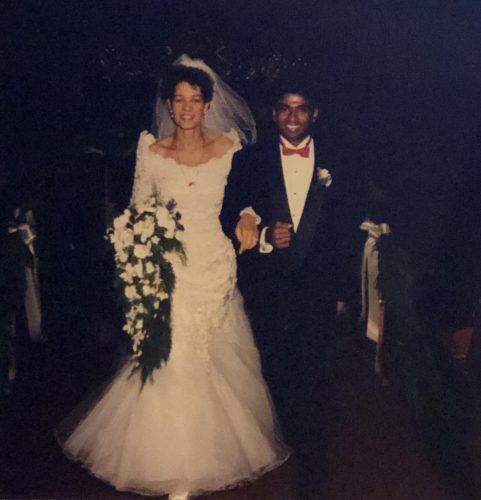
You and Mano built an intercultural family that brought together different histories, traditions, and ways of seeing the world. As parents, how did you approach raising your sons to embrace both their Indian heritage and their global identities?
From the beginning, Mano and I wanted our sons to see themselves as citizens of the world without losing sight of where they came from. We intentionally raised them internationally because we believed living in different cultures would teach them curiosity, adaptability, and respect for people whose lives looked different from their own.
We also made sure they were deeply rooted in both sides of their family. My parents gave them the warmth of the American Midwest, while Mano’s parents immersed them in their Indian Tamil heritage through language, traditions, faith, and family life. Every year we returned home so those relationships remained real and personal.
Rather than asking our sons to choose between identities, we encouraged them to embrace all of them. We hoped they would grow up confident in who they were, appreciative of where they came from, and comfortable wherever life might take them.
Your family’s story is deeply connected to India through Mano, his work, and your continued philanthropic efforts in Tamil Nadu. Could you tell us more about the work you support there, and how those experiences have shaped your own understanding of India, family, and service?
India became part of my story before I married Mano. During our engagement, he brought me “home” to Tamil Nadu and introduced me to his parents’ ministries, especially Bethel Agricultural Fellowship in Danishpet, founded by Rev. Dr. Sam and Adela Kamaleson. Through education, agriculture, and children’s homes, I saw faith lived out in practical love for people. Marrying Mano did not simply introduce me to India. It welcomed me into a family whose lives were devoted to serving others.
Mano served on Bethel’s Board until his passing in 2019. Although we are not directly involved today, the connection endures. Our son Barclay, his wife Bethany, and our grandsons have visited Bethel and plan to return this year. Looking ahead, we hope to establish a microfinance loan fund in Mano’s name and support life-skills programs that help Bethel graduates transition into independent life.
Living across cultures taught me that family extends beyond blood or geography. Service became the thread connecting our lives, and it continues in our children today. That may be our greatest legacy.
Throughout the memoir, you suggest that life’s interruptions do not have to define us. Looking back today, what has grief taught you about resilience, leadership, and rebuilding a meaningful life?
Looking back, I believe life’s interruptions do not have to define us. They can forge who we become if we choose to let them.
The first interruption, the family secret that changed my identity, ultimately gave me a stronger foundation than I realized. I learned that identity is not determined by circumstances, but by the people who love us and the purpose we choose to pursue.
The second interruption was losing Mano in a Taliban suicide bombing in Kabul. His death devastated not only our family but people around the world whose lives he had touched through decades of service. Mano knew the risks, and he also knew he was doing exactly what he believed God had called him to do.
Grief has taught me that while we cannot control how long we are given, we can choose how we live. Resilience is not returning to who we were before loss. It is allowing loss to deepen our compassion, clarify our purpose, and give us the courage to keep serving others.
READ: Isheeta Ganguly reimagines Tagore’s heroines in new graphic novel ‘Three Women’ (June 6, 2026)
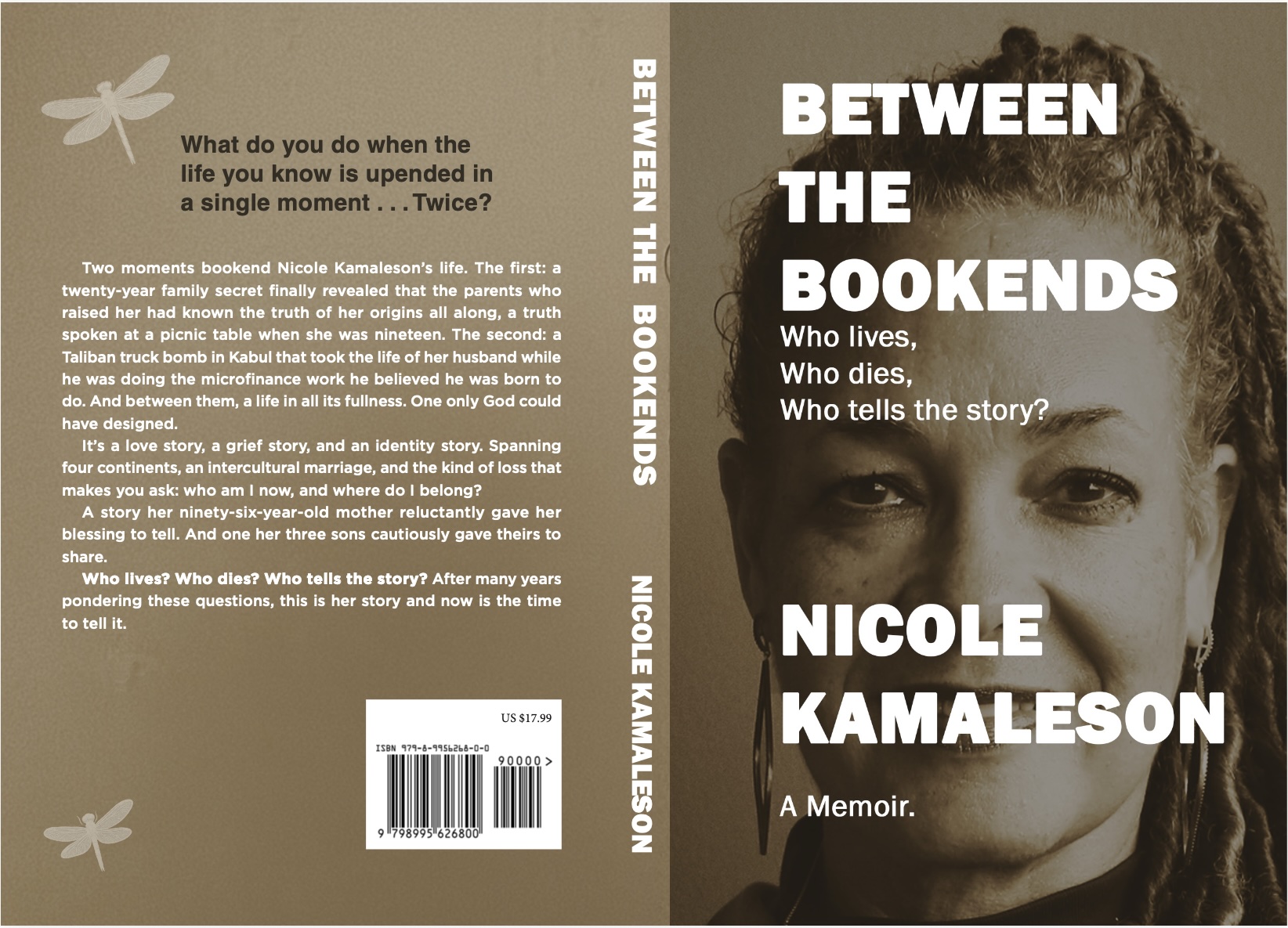
Many readers will recognize parts of themselves in your story, whether through questions of identity, loss, or belonging. What do you hope they carry with them after turning the final page of Between the Bookends?
Although this is my story, I hope readers discover something of their own within its pages. Our circumstances may differ, but the interruptions that change us are something we all share.
More than anything, I hope readers leave with hope. Not the hope of returning to who they once were, but the confidence to move forward, even changed. Our deepest wounds do not have to become our final identity. They can become places where compassion grows, purpose becomes clearer, and new life begins.
For me, that journey was anchored in a deep faith in God. I learned we are never asked to carry life’s burdens alone. We receive strength and help from others, and in time we are invited to offer that same kindness and hope to someone else. If readers close this book believing their interruptions do not have the final word, I will have accomplished what I hoped this memoir could do.
(Pragya Raj Singh is a development and philanthropy professional working at the intersection of global partnerships, social innovation, and India-U.S. engagement.)