



President Donald Trump has said companies building large data centers in the U.S. must generate their own electricity and consider sharing a “dividend” with communities hosting the facilities to counter growing public opposition.
In a Truth Social post early Wednesday, Trump wrote, “New and large, in some cases gigantic, Data Centers are mandated by me to make their own electricity and give or sell any excess back to the local community, or grid,” adding that this would help prevent electricity price increases.
READ: Cognizant hit with PERM suspension as US investigates H-1B, Green Card fraud (September 9, 2026)
Trump also suggested that tech companies pay communities or their residents a “dividend” to make such projects more acceptable amid growing opposition.
“If companies want to make their Data Centers popular, pay the community, and/or individuals within the community, a ‘dividend.’ I have watched the process closely, and Data Centers that were highly unpopular in a certain area, have become extremely popular when a financial deal is struck,” he added.
Several major tech companies have already announced investments aimed at winning local support. Amazon and Meta recently pledged to invest at least $1 billion each in communities hosting their data centers. Supporters of these projects argue that they can generate tax revenue and create jobs.
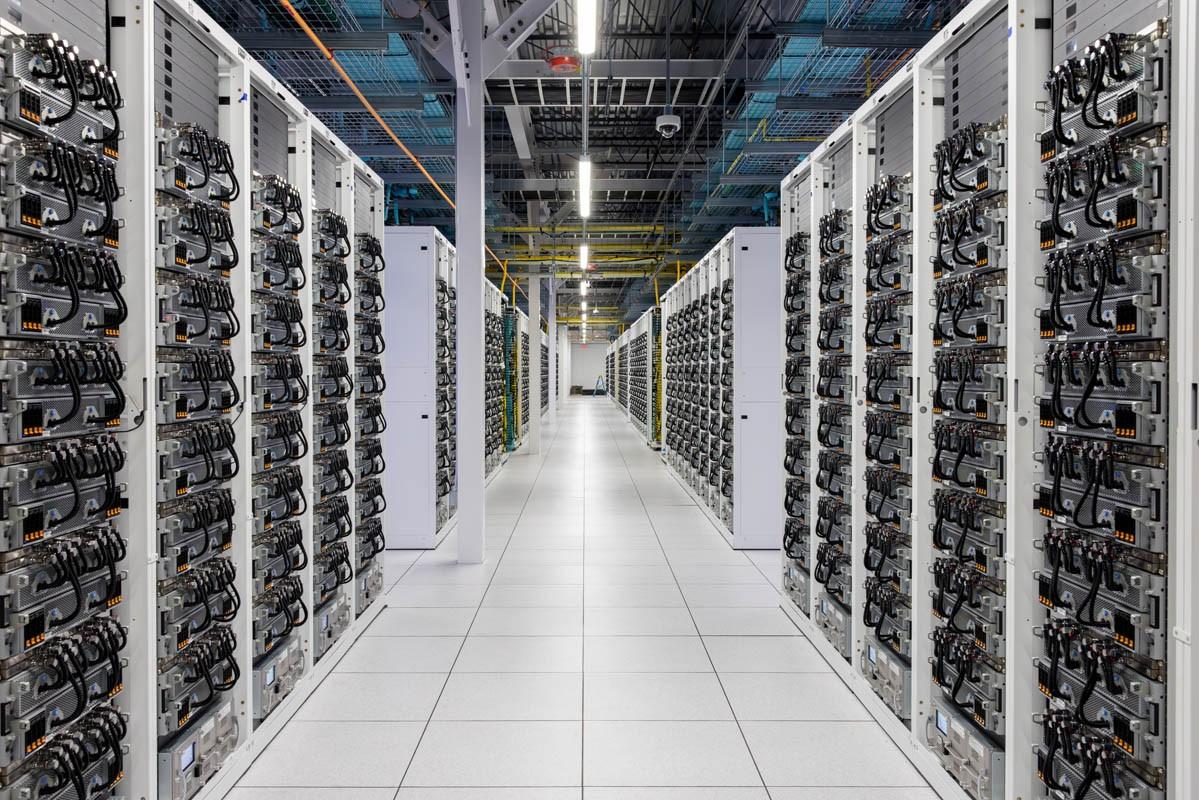
Data centers provide the physical infrastructure needed to store and process data for financial systems, cloud computing and artificial intelligence. The expansion of these facilities is putting greater pressure on electricity grids and water resources, raising concerns about infrastructure demands and climate commitments.
Opposition to data centers has become an increasingly important political issue ahead of the November midterm elections. According to a March Gallup survey, 71% of Americans oppose building a data center in their local area, citing concerns such as noise pollution and water scarcity. Residents living near the Southaven regional data center have reported that persistent mechanical noise makes it difficult to sleep at night.
The opposition to local data centers is also greater than the resistance to nuclear power plants, which 54% of Americans oppose, according to the survey.
In August, Trump said in a Truth Social post that communities across the U.S. should oppose data centers only if they wanted to remain “backwards and poor.” He argued that data centers could bring prosperity, lower taxes and jobs, adding that China would benefit from the growing anti-data center movement.
READ: Ro Khanna warns Trump against letting tech billionaires ‘write the rules’ for AI safety (October 1, 2026)
On the campaign trail, Democratic candidates, including Abdul El-Sayed, James Talarico and Sherrod Brown, have raised the issue to challenge their political opponents. Political leaders from both parties have also faced pressure to reconsider their support for large-scale data center projects.
In July, New York imposed a one-year moratorium on the construction of large data centers, becoming the first U.S. state to take such a step amid concerns about the environmental and economic impact of AI-driven facilities. The construction pause applies to data centers requiring 50 megawatts or more of power.
Texas Gov. Greg Abbott also halted approvals for around 1,800 proposed data centers, despite promoting the state as a major destination for AI investment.