



By Soumoshree Mukherjee
Editor’s note: This article is based on insights from a podcast series. The views expressed in the podcast reflect the speakers’ perspectives and do not necessarily represent those of this publication. Readers are encouraged to explore the full podcast for additional context.
When we think of Artificial Intelligence (AI), our minds often jump to smart gadgets, automation, or even the ethical dilemmas posed by machines replacing human work. But for millions of displaced people around the world, AI is becoming a quiet yet powerful ally in the struggle for dignity, opportunity, and hope.
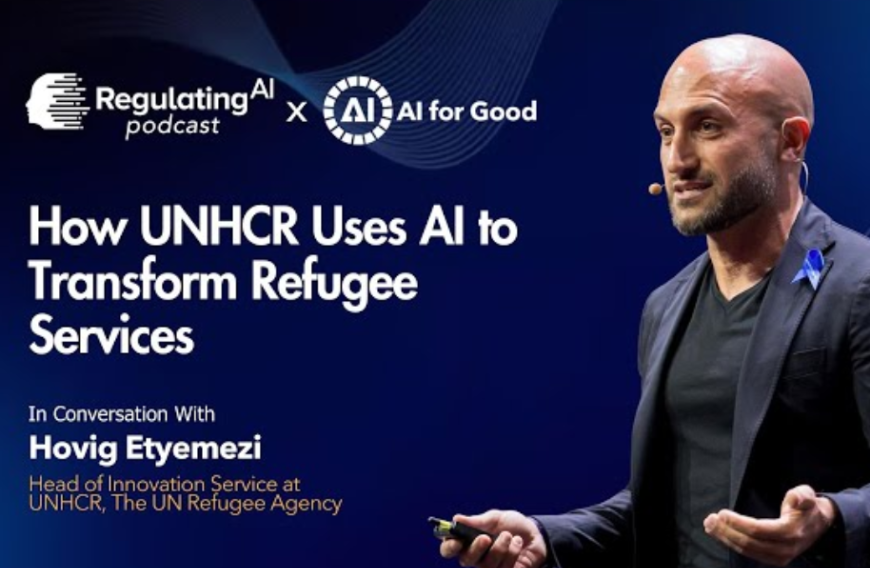
Led by Hovig Etyemezian, the UNHCR’s Innovation Service is reimagining how AI can transform refugee services. For Etyemezian, AI is not an end in itself, but a tool—one that helps the UN refugee agency tackle complex problems with a human touch.
READ: From temp worker to CEO of a government contracting powerhouse: Anil Sharma’s C-Suite journey (July 1, 2025)
At its core, AI helps UNHCR analyze massive volumes of data and gather feedback from refugee communities more effectively. This means that bottlenecks in aid distribution can be spotted faster, and the right support can reach those who need it most. From optimizing shelter placements to predicting resource needs, this technology is helping humanitarian workers do what they’ve always done, just better and quicker.
One of the most striking shifts has been the move from analog to digital communication. Through chatbots and upgraded call centers, refugees can now reach out for help using familiar digital channels. This means faster responses to everyday questions. But as Etyemezian points out, technology alone isn’t enough; complicated cases still require human warmth and understanding.
The vision is ambitious: by 2030, UNHCR aims to connect 20 million refugees to digital resources. Yet, the barriers are daunting. In many remote camps, basic internet access remains a luxury. Even when connectivity exists, legal hurdles like not being able to register for a SIM card or open a bank account can exclude refugees from essential services.
Bridging this gap will require more than just innovative tech. The Innovation Service knows that digital participation must be inclusive and ethical. Mobile payments, for example, are proving vital for financial inclusion, giving refugees the power to manage money securely and independently. But true empowerment means going beyond transactions, it means preparing refugees for meaningful work in the digital economy.
READ: How CIOs are shaping the future of business: Insights from Ganesh Ramakrishnan (July 8, 2025)
Reskilling is now a key focus. Many young people in refugee camps are eager to learn, yet they need more than just coding skills. Language training, IT certifications, and soft skills can help them compete for jobs that pay fair wages and offer dignity. The Inclusive Digital Economy Alliance, a public-private partnership, is just one initiative helping open doors for these talented individuals.
Hovig and his team are also rethinking labels. Instead of seeing people merely as ‘refugees,’ they are encouraging the world to recognize them as ‘talented people.’ This simple shift in language is helping combat stigma, highlighting the immense contributions displaced communities can make when given the chance.
In the end, AI’s greatest power in the humanitarian sector may not lie in algorithms but in its ability to open new pathways to dignity. By investing in connectivity, legal rights, and fair employment, the UNHCR’s innovation service is showing that technology, when guided by compassion and collaboration, can be a bridge to a brighter, more inclusive future.