



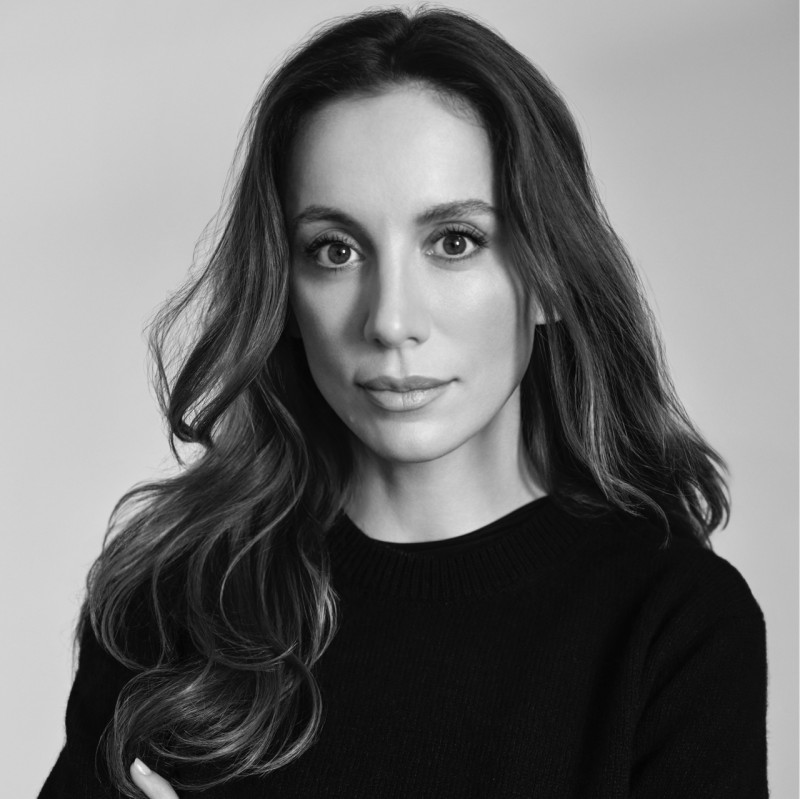
Meta’s bold bid to poach AI talent from a rising rival may have just hit a wall. In a high-stakes move that reads more like a power play than a recruitment drive, Mark Zuckerberg’s AI ambitions are reportedly being met with quiet resistance despite offers that most would consider life-changing.
According to Wired, Meta extended jaw-dropping packages some worth up to $1 billion over several years to multiple researchers at Thinking Machines Lab, the stealth-mode startup recently launched by former OpenAI CTO Mira Murati. Other offers reportedly ranged from $200 million to $500 million over four years. Yet, according to the report, not a single team member has accepted that offer.
“So far at Thinking Machines Lab, not a single person has taken the offer,” Wired reported.
READ: Former OpenAI CTO Mira Murati’s Thinking Machines raises $2 billion (June 23, 2025)
Murati’s AI venture, launched in February 2025, has quickly positioned itself as a key player in the generative AI space. By mid-July, the startup secured a record-setting $2 billion in seed funding, pushing its estimated valuation to $12 billion, based on the report. The funding round was spearheaded by Andreessen Horowitz with additional backing from prominent industry names such as Nvidia, Accel, AMD, Cisco, ServiceNow, and Jane Street.
Murati has assembled a powerhouse team made up of several former OpenAI veterans, including John Schulman as chief scientist, Barrett Zoph as CTO, Lilian Weng heading AI safety, and Luke Metz among others, each bringing deep technical expertise to the table. While the company has kept specific product details under wraps, the scale of its fundraising has already made waves in the tech world, marking one of the largest seed rounds ever seen in Silicon Valley. The sheer level of investor confidence signals high expectations for what this team might deliver under Murati’s forward-looking vision.
She has hinted that the company’s first product is set to debut in the near future, and noted that it will be “a significant open source component,” allowing broader access and collaboration from the developer and research community.
READ: Former OpenAI CTO Mira Murati unveils new venture (February 20, 2025)
“We’re building multimodal AI that works with how you naturally interact with the world – through conversation, through sight, through the messy way we collaborate. We’re excited that in the next couple of months we’ll be able to share our first product, which will include a significant open source component and be useful for researchers and startups developing custom models. Soon, we’ll also share our best science to help the research community better understand frontier AI systems,” said Murati in an X post.
Similarly, Ilya Sutskever, another high-profile former OpenAI leader opted to launch his own venture, Safe Superintelligence, rather than align with a tech giant like Meta. While the company has yet to release any products, Sutskever has made it clear that the focus is on building advanced AI systems with safety at the core. Remarkably, the startup has already secured $3 billion across two funding rounds, reportedly reaching a $32 billion valuation. Taken together, both Sutskever and Murati’s independent paths reflect a growing trend: top AI minds choosing mission-driven autonomy over corporate takeover.