



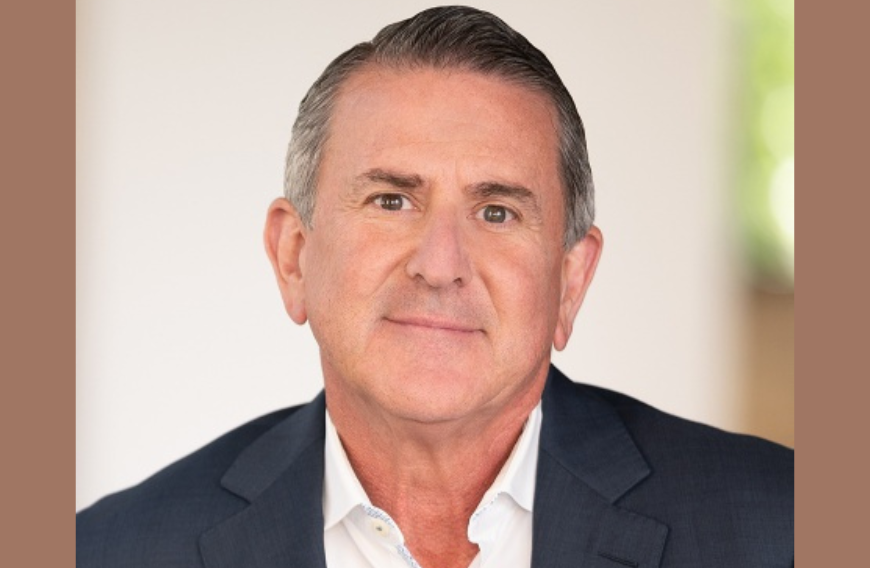
Target CEO Brian Cornell announced on Wednesday that he would step down early next year after a decade in the role. Michael Fiddelke, who currently serves as chief operating officer, will assume the role of CEO on Feb. 1, 2026, while Cornell would remain in the company as executive chair of the board of directors.
“With the board’s unanimous decision to appoint Michael Fiddelke as Target’s next CEO, I want to express my full confidence in his leadership and focus on driving improved results and sustainable growth,” Cornell said in a statement. He added, “Michael brings a deep understanding of our business and a genuine commitment to accelerating our progress.”
The leadership change comes as Target continues to struggle with declining sales. Boycotts over its rollback of DEI efforts and the impact of tariffs have been cited as possible factors.
READ: Github CEO to step down; platform to fold into Microsoft’s CoreAI division (
Cornell was at the helm of the company when it decided to cut down its DEI initiatives, signaling a shift for the brand, which had been previously vocal about being diverse and inclusive. The choice to pivot from this brand image turned out to be risky, and a movement grew on social media, calling for an economic blackout day on Feb. 28 against Target, alongside other retailers which made similar DEI changes. On that day, Target’s website traffic was down 9% compared with the same period last year.
Meanwhile, Pastor Jamal Bryant launched TargetFast.org, calling on 100,000 conscientious citizens to fast from spending any money at Target for the 40 days of Lent, beginning March 5 and concluding on April 20 (Easter Sunday). Today, over 150,000 participants have stepped up, far surpassing the participation goal.
Target’s stock has fallen 31% since January 24—when the company cut its programs—dropping from $137.40 and wiping out more than $13 billion in market value.
In addition, the company has also been affected by President Donald Trump’s tariffs. On April 3, the stock hit $93.00—a 52-week low—on the day after Trump’s “Liberation Day” tariff announcement. And while things have begun to rebound since then, some tariff patterns are coming to play.
READ: Walmart, Target warn Trump of empty shelves if tariffs continue (
Target relies heavily on imported goods, and these tariffs are likely to exacerbate existing challenges. Higher import costs are likely to force the company to raise prices, further alienating consumers struggling with inflation. This could create a vicious cycle, where declining foot traffic leads to lower sales, which in turn makes it harder for the company to absorb higher costs.
While the company has not outlined how it plans to address these challenges, the new CEO is expected to face a full plate.
Cornell acknowledged the “challenging retail environment” in a statement, and also said there were “encouraging signs of recovery, including improved traffic and sales trends.”
“As we enter the critical back-to-school and holiday seasons, our team remains focused on consistent execution and building momentum as we look ahead to the new year,” he said.