



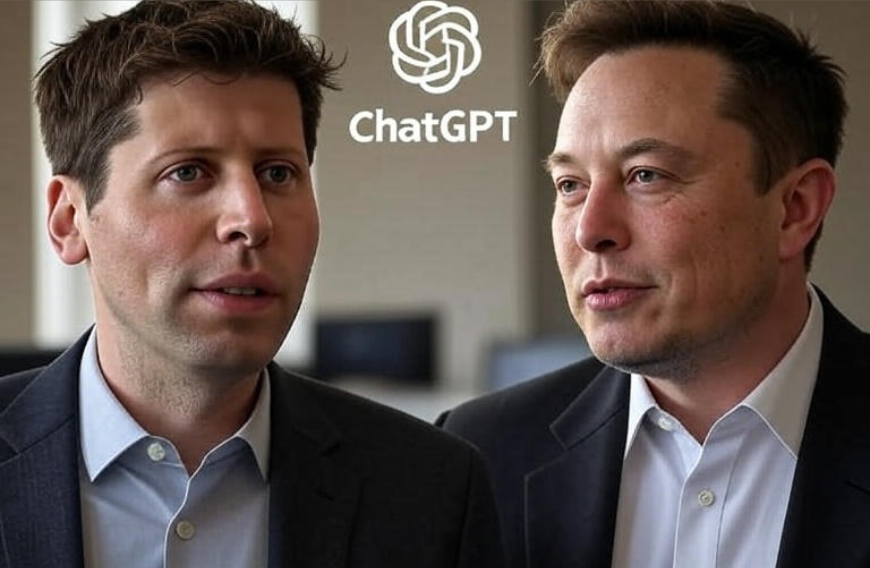
Elon Musk’s legal team has requested a U.S. judge to prevent OpenAI from obtaining documents from Meta Platforms related to Musk’s earlier $97.4 billion attempt to acquire the AI company, Reuters reported, citing court papers.
Earlier Musk, the billionaire CEO of Tesla and xAI, reportedly approached Meta CEO Mark Zuckerberg about joining the massive takeover bid. OpenAI revealed in a filing that Musk had discussed a letter of intent with Zuckerberg, covering “potential financing arrangements or investments.” However, the LOI was never signed by Zuckerberg or Meta.
OpenAI subsequently asked the court to compel Meta to provide documents and communications concerning any attempts to acquire the company. Meta, in response, urged the judge to reject the request, arguing that OpenAI should obtain the relevant materials directly from Musk and his AI venture, xAI.
READ: xAI sues Apple, OpenAI over AI competition and App Store rankings (
In a filing late Tuesday, Musk’s attorneys noted that OpenAI had already obtained documents about the bid from him and his AI company. They argued that OpenAI’s “expansive discovery” was unnecessary for the current stage of the case. However, attorneys for OpenAI and CEO Sam Altman urged the judge to dismiss Musk’s claims, emphasizing that their document requests were focused and limited, covering only a few weeks rather than being “expansive” or “sprawling.”
“Plaintiffs have sought to explain the absence of bid-related documents by representing that their communications were primarily oral. If that is true, then the need for depositions — of Musk, an xAI representative, and other co-bidders — is even more acute,” they wrote, per Reuters report.
On the other hand, OpenAI faces challenges as it prepares to update ChatGPT amid a lawsuit claiming that a 16-year-old California student died by suicide after using the chatbot for guidance.
In a blog post on Tuesday, the AI firm announced plans to update ChatGPT so it can better recognize and respond with empathy to users facing significant emotional or mental distress. “Our goal is for our tools to be as helpful as possible to people—and as a part of this, we’re continuing to improve how our models recognize and respond to signs of mental and emotional distress and connect people with care, guided by expert input,” the post read.
The company also revealed plans to introduce parental controls, enabling parents to manage how their children interact with ChatGPT and monitor the details of their usage.
This comes at a time when OpenAI and CEO Sam Altman face a lawsuit from the parents of California teenager Adam Raine. They claim that the 16-year-old’s use of the chatbot contributed to his isolation and played a role in his death by suicide in April, Bloomberg reported. In their lawsuit, Raine’s parents added, “ChatGPT became Adam’s closest confidant, leading him to open up about his anxiety and mental distress.”
They also alleged that during moments of intense anxiety, Adam told ChatGPT it was “calming” to know that he “can commit suicide,” and the chatbot replied that “many people who struggle with anxiety or intrusive thoughts find solace in imagining an escape hatch because it can feel like a way to regain control.”
The situation highlights the complex challenges facing OpenAI on multiple fronts. While Musk’s legal team moves to block access to documents related to his $97.4 billion bid, OpenAI is simultaneously grappling with the fallout from the tragic Raine case and the scrutiny over how ChatGPT interacts with vulnerable users.