



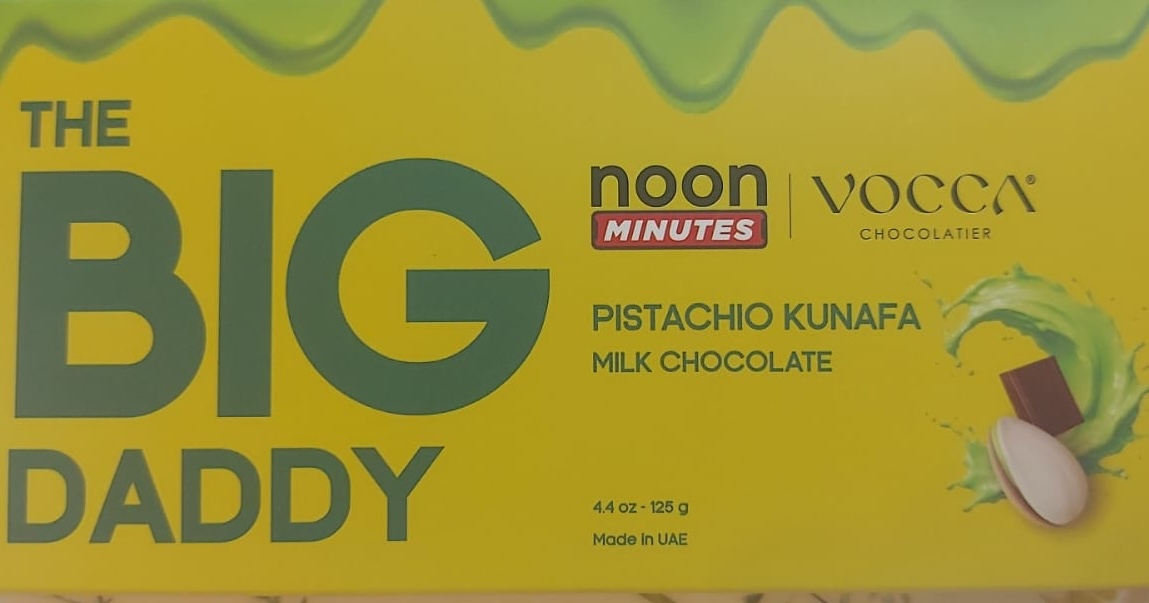
A viral “Dubai Chocolate” craze — fueled by millions of social media views and a relentless appetite for pistachio-packed confections — has unexpectedly spotlighted a geopolitical story about pistachios, global agriculture, and economic competition. As Californian and Iranian growers both vie to meet skyrocketing demand, the humble nut has come to represent more than a snack: it is a reminder of how digital trends can reshape markets and even intersect with geopolitical rivalries.
In moments of conflict, such intersections can invite speculation. And wartime, it goes without saying, is fertile ground for conspiracy theories.
That is where pistachios — and Dubai Chocolate — enter the conversation.
Dubai Chocolate, particularly the pistachios used in the viral dessert, has prompted some observers online to draw unusual connections to the broader U.S.-Iran rivalry. For decades, Iran dominated the global pistachio industry before California emerged as a powerful competitor.
Between 2005 and 2016, the United States and Iran went head-to-head for the title of the world’s largest pistachio producer, with the U.S. leading the industry six times and Iran the other five, according to David Magnã, senior horticulture analyst, via The West Coast Nut.
Since 2016, the United States has surged ahead, becoming the undisputed global producer of pistachios.
READ: Flights canceled, airports shut down in the Middle East as US-Iran war wages on (March 2, 2026)
According to U.S. Department of Agriculture data, the U.S. production of pistachios went from 32% in 2005-2006 to 65% in 2023-2024 in global output. Iran produced about 14% of the world’s pistachios in 2023-2024.
Despite pistachio orchards being water-intensive — contributing to agricultural water demand pressures in California — the crop has become a major export earner for the U.S. economy. In 2023, the United States was the largest exporter of pistachios in the world, shipping about $2.38 billion worth of pistachios (329.9 million kg) to global markets — far more than any other country.
California pistachios are a central part of this export success, with the state accounting for nearly all U.S. production and a growing share of world supply, helping place the U.S. at the top of global exports.
Adding to pistachios’ popularity, the crunchy, gooey combination of chocolate, pistachio cream, tahini and kataifi — popularly known as “Dubai Chocolate” — has become a global viral sensation since UAE-based chocolatier Sarah Hamouda first created the recipe in 2021.
In recent years, influencers and food creators across platforms such as TikTok and Instagram have posted videos that have attracted millions of views, tasting and reviewing the dessert, helping turn the rich confection into an indulgent social media trend.
It is also important to note that pistachios are not native to the U.S. or California soil. The nut originated in the arid regions of the Middle East and Central Asia, where it has been cultivated for thousands of years, particularly in countries such as Iran and Turkey.
According to Newsweek, Iran’s pistachio sector — a major non-oil export worth around $1 billion annually — has come under pressure from sanctions, trade barriers, and competition from California, contributing to economic strain inside the country. Today, California produces about 99 percent of U.S. pistachios and has become one of the world’s leading suppliers.
Iran was the world’s leading exporter of pistachios in the late 20th century, but the balance began shifting after the United States imposed steep anti-dumping duties on Iranian pistachios in the 1980s.
So, is the Dubai Chocolate trend a push for more pistachio consumption so the U.S. can continue to strongarm Iran or simply, a viral dessert trend? This social media user took to the internet to raise the question. The post, originally shared on Tumblr, was liked by more than 146,000 people on Instagram at the time of writing this article.
“ergo all the fancy pistachio coffees at starbucks and similar shit like suddenly being able to find pistachio butter in grocery stores when five years ago it was exclusively available at specialty stores and online, and the huge boom in pistachios foods in instagram and tiktok recipe content,” the user wrote, adding “… these get thrown onto everyone’s feeds, to promote the purchasing of pistachios, so that the US can stick it to iran. it’s kind of incredible to watch….”
In the 2024-2025 fiscal year, U.S. retail sales of pistachio-filled chocolate totaled $822,900, according to the market research company NielsenIQ. By comparison, sales of all chocolates totaled $16.27 billion.
As the U.S.-Iran conflict continues to ripple across the region, even seemingly benign cultural phenomena like Dubai Chocolate are being caught up in the geopolitical fallout. What began as a viral confectionery trend has been thrust into the spotlight against a backdrop of escalating tensions between the two countries.