



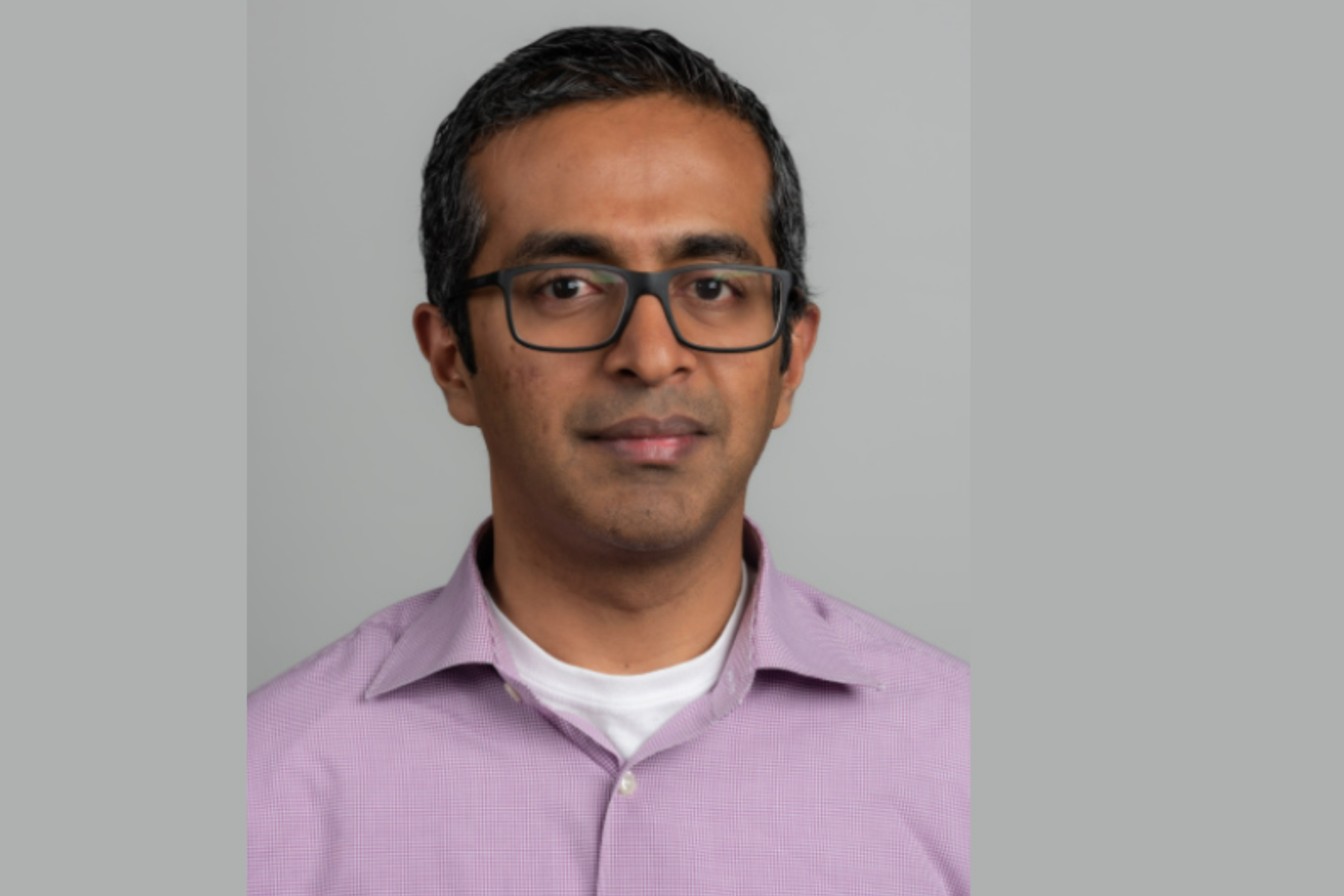
Abbas Attarwala has built a career on the principle that technology should be a tool for empowerment, not a source of unseen risk. This month, California State University, Chico, recognized that dedication by naming him one of six recipients of the 2026 Lantis Endowed University Chairs.
The honor provides critical funding for Attarwala to address a modern frontier: the safety of children in an era of pervasive artificial intelligence.
Attarwala’s journey to this milestone is deeply rooted in his heritage. Born and raised in India, he began his academic life in the tech hub of Mumbai. Even after moving abroad, he maintained a connection to his roots, in 2023, he launched a virtual outreach program for an all girls middle school in Mumbai, introducing students to computer science through interactive game design.
This experience highlighted a global need for equitable tech education, a mission he carried through his studies at the University of Toronto, Georgia Institute of Technology, and the University of Waterloo, where he earned his PhD in management sciences and engineering.
Read: 4 Indian American on 2026 Thinkers50 Radar
Now at Chico State, Attarwala is shifting his focus toward the systemic challenges of generative AI. While tools like ChatGPT offer immense educational potential, he warns that a lack of evidence-based frameworks leaves California’s youth vulnerable.
“Children today grow up immersed in artificial intelligence systems that shape their learning, development, and future opportunities, but California lacks evidence-based frameworks to protect them,” Attarwala noted in his proposal.
He pointed out that despite the rapid integration of these technologies, the state currently lacks comprehensive guidelines to protect K12 students from developmental and privacy risks.
The Lantis award will enable Attarwala to bridge this legislative gap. His project involves translating high-level research into actionable toolkits for educators and professional development workshops for school districts across Northern California.
Read: 3 Indian Americans win Argonne awards for AI and supercomputing
His work builds on a forthcoming book that outlines protective AI policies and existing partnerships with state leaders to shape future legislation.
By focusing on the ethical implementation of AI, Attarwala ensures that the next generation of students, much like those he taught in Mumbai, can navigate the digital world safely.
For Attarwala, the endowment is more than just research funding; it is an opportunity to ensure that as technology evolves, the safeguards protecting the most vulnerable evolve alongside it.
His work serves as a vital link between global innovation and local responsibility, proving that lessons shared with a classroom in India can help protect millions of students in California.