



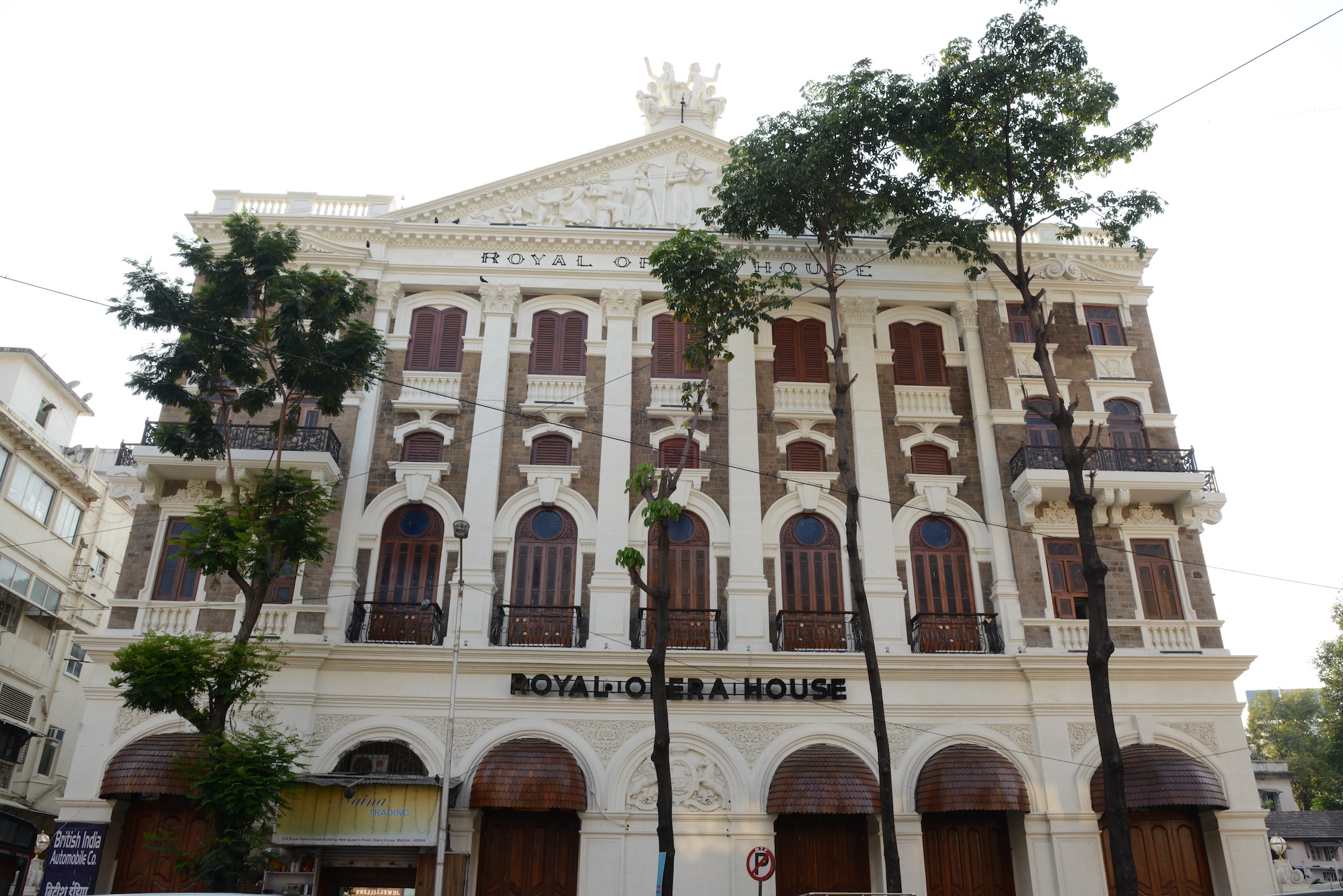
The Royal Opera House has long been a cultural anchor of colonial Bombay. In the 1960s, when I was a student at IIT, it served as an easy meeting point in central Bombay, a landmark woven into daily life. That memory resurfaced as I met the curator, Asad Lalljee, on the steps of this remarkable revival in Mumbai.

I have known Lalljee over the years, in both New York and Mumbai, but here he is inseparable from the institution he oversees. With a certain Madison Avenue savoir faire, perhaps shaped by his father’s advertising career, he combines old-world charm with a distinctly modern sensibility. Impeccably turned out, often in Brooks Brothers, he carries the quiet authority of a custodian of an international heritage site.
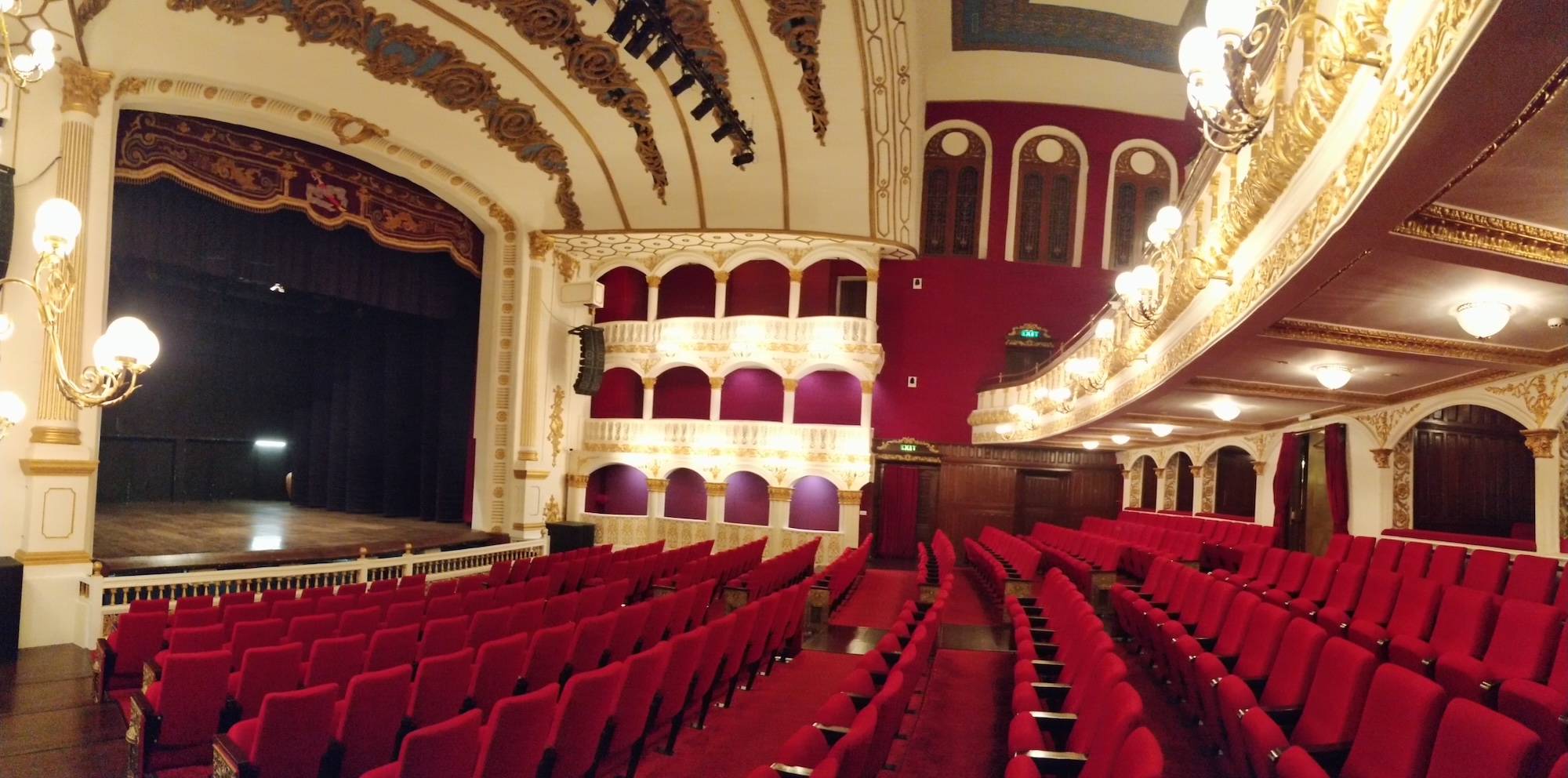
The doors of the Opera House open to a different pulse of the city. Inside, velvet curtains glow beneath chandeliers, balconies curve in ornate arcs, and a hush settles over the hall. In a city defined by a heightened energy, the Opera House offers something increasingly rare: a pause. It is also one of Mumbai’s improbable survival stories.
Inaugurated in 1911, at the height of Bombay’s colonial ambition, the Opera House was conceived as a grand civic stage for a city coming into its own. The Royal was added because it was inaugurated by King George V. Bombay was emerging as one of Asia’s most dynamic urban centers, a crossroads where British administrators, Indian merchants, Parsi entrepreneurs, and global traders converged. Commerce and culture flourished and the Opera House quickly became a focal point of that cosmopolitan life.
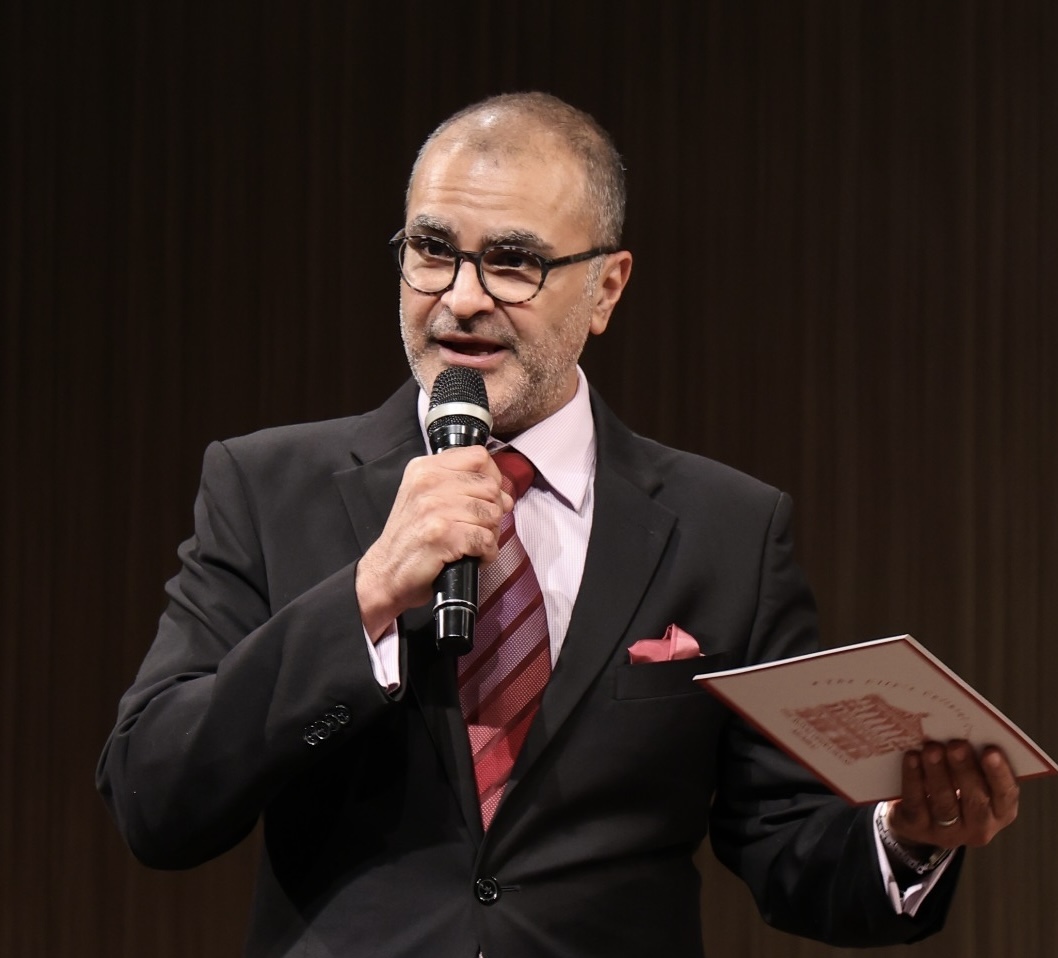
Lalljee’s own path into this world was not ordained. Returning to India, he began in the corporate sphere at the Essar Group. An early encounter with Mrs. Madhu Ruia, wife of the Vice Chairman, proved serendipitous. She entrusted him with shaping Avid, her initiative in continuous learning. A beginning that quietly redirected him toward the cultural sphere he now inhabits.
READ: Jaswant Lalwani | The Frick Collection, reawakened (February 8, 2026)
Walking through the building, Lalljee points out its architectural lineage. European Baroque adapted to colonial scale and sensibility. Sweeping staircases, sculpted balconies and intricate plasterwork evoke the great opera houses of Europe, while painted ceilings and elaborate moldings create spectacle. Touring European companies once performed here, alongside Indian theater, especially the vibrant Parsi stage, whose mix of melodrama, music, and visual flourish resonated deeply with local audiences.
Seated in the auditorium, I found myself wondering how it might compare to La Scala in Milan or Teatro Real in Madrid. Asad remarked that with just 575 seats, the theater invokes intimacy rather than grandeur. The connection between performer and audience is immediate, almost tactile. One feels close enough to reach out and touch almost a breath away.
The Opera House was never merely a venue. It was a social arena where maharajas and industrialists mingled with artists, writers, and the city’s curious public. It embodied the aspirations of a Bombay that saw itself as outward-looking and culturally ambitious.
But as cinema rose in the mid-twentieth century, live performances receded. The building adapted, then declined. By the late twentieth century, the once-resplendent theater had fallen into serious disrepair, its future uncertain.
READ: Jaswant Lalwani | Sundaram Tagore: The making of a cultural ambassador (December 6, 2025)
Its revival, led by the royal family of Gondal, custodians of the property, chose restoration over demolition. Nearly a decade of painstaking conservation followed. Chandeliers were restored, Italian marble floors repaired, and intricate plasterwork recreated using traditional techniques. When the Opera House reopened in 2016, it marked not just the end of a long silence but the beginning of a new life. In 2017, it received the Asia Pacific Award for Cultural Heritage Conservation.
Under Lalljee’s curatorial direction, the venue has reemerged as a multidisciplinary cultural hub. Its programming reflects the layered complexity of Mumbai itself. Western classical music shares space with Hindustani and Carnatic traditions, alongside jazz, blues, and contemporary fusion. The popular candlelight concert series has introduced a more immersive format, drawing younger audiences into the space.
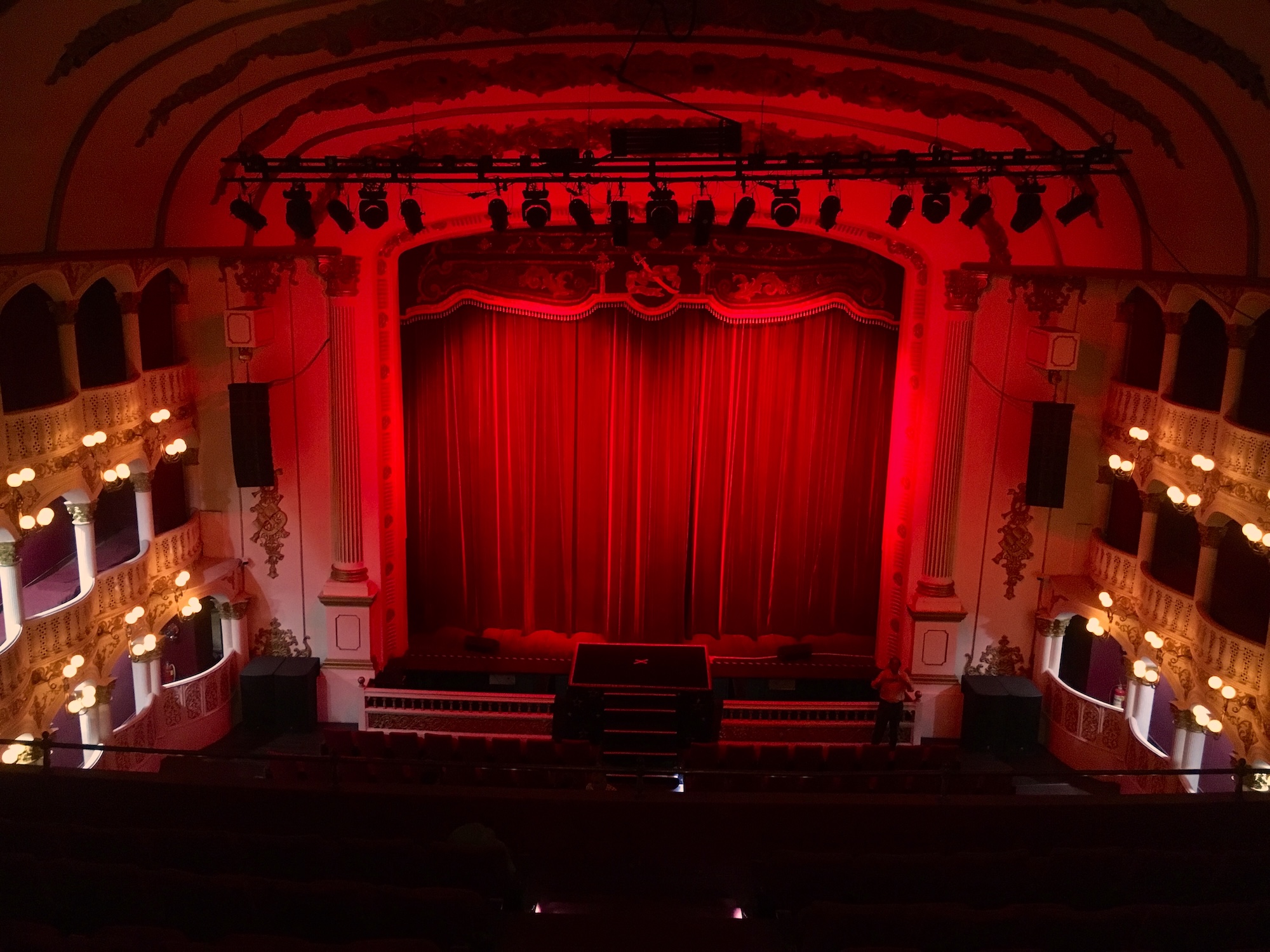
Theater has returned with equal vigor, across languages and forms: English, Hindi, Marathi, and Gujarati. Touring companies, experimental works, and Broadway-inspired productions broaden the repertoire. Dance programming reflects a similar duality. Bharatanatyam and Kathak coexist with contemporary choreography and cross-cultural collaborations.
Beyond performance, the Opera House has evolved into a site of cultural exchange. Book launches, poetry readings, and panel discussions activate its spaces. Festivals and interdisciplinary series bring together artists across geographies, while digital initiatives such as “Mumbai Opera Online” extend its reach beyond the physical building.
READ: Jaswant Lalwani | Christie’s sale confirms it: Indian art has arrived on the world stage (November 5, 2025)
What distinguishes the Opera House now is not simply its range, but its philosophy. As Lalljee puts it: “We do not frame our work in terms of ‘Western’ versus ‘Vernacular.’ Our focus is on artistic quality, storytelling, and integrity.” The result mirrors a broader shift in Mumbai’s audiences which is more curious, more fluid, and increasingly willing to cross cultural boundaries.
The Royal Opera House operates not in competition but in tandem with institutions such as the National Centre for the Performing Arts and the Nita Mukesh Ambani Cultural Centre. Each has its own scale and programming philosophy; together, they suggest a city investing anew in both spectacle and intimacy.
International collaboration is an increasingly important dimension.
At forums such as the Canada-India Creative Industries Roundtable, conversations have explored how technology and co-production are reshaping the creative economy. Looking ahead, the Opera House is set to participate in the Spain–India Dual Year (2026), with Teatro Real bringing flamenco to Indian audiences in collaboration with the Mumbai venue, an exchange that underscores its global outlook.
READ: Jaswant Lalwani | One of New York’s Bravest: A day in the life of an FDNY firefighter (October 21, 2025)
As I sat there, past and present seemed to converge. Just before the lights dim, the hall holds a particular charge—the same anticipation audiences must have felt a century ago. In that pause lies the enduring magic of the Opera House: a reminder that amid the rush of modern life, Mumbai still possesses spaces where art, memory, and imagination meet.
As I rose to leave, I asked Lalljee whether the mantle he carries ever feels heavy. He smiled lightly. It is the reason he is here to ensure the legacy endures, renewed with each passing year. Under his stewardship, the Royal Opera House has not merely been restored. It has reclaimed its place as one of India’s most distinctive cultural stages.
(Jaswant Lalwani, a global real estate advisor and lifestyle consultant in New York City, is an avid writer and globetrotter. To read more of his work, visit www.jlalwani.com.)