



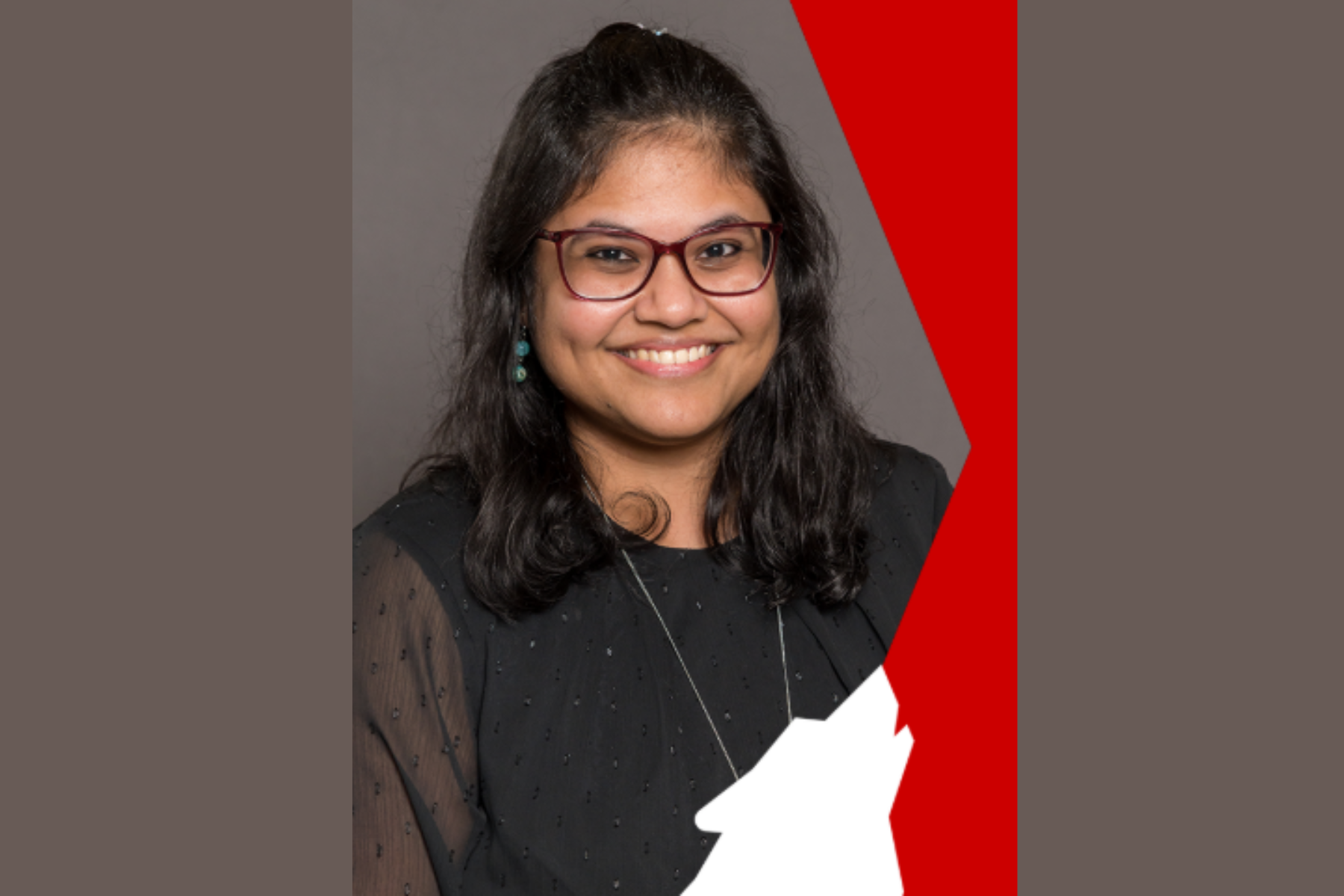
Rhea Banerjee, an Indian scholar focused on the immigrant experience, is joining North Carolina State University’s College of Education as an assistant teaching professor in counseling and counselor education in August.
Banerjee moves to NC State from Rutgers University, where she currently serves as an assistant teaching professor in the Department of Psychiatric Rehabilitation and Counseling Professions.
With a deep cross-continental background, her professional journey bridges the mental health landscapes of both India and the United States. Before moving to America to pursue her advanced graduate studies, Banerjee completed her initial higher education in India, earning a master’s degree in applied psychology from Women’s Christian College.
Read: Indian American Neurologist Pria Anand wins literary science writing award
She later moved to the U.S. to attend Pennsylvania State University, where she earned both her Master of Education and her doctorate in counselor education and supervision.
Banerjee has accumulated more than a decade of experience in counseling, supervision, teaching, and research across clinical, school, and community-based environments in both nations. She is a licensed associate counselor and a national certified counselor.
At NC State, Banerjee plans to champion an educational framework rooted heavily in experiential learning and cultural adaptability, ensuring that students can seamlessly translate classroom theories into community solutions.
Read: Four Indian American researchers win 2026 Florida University honors (May 1, 2026)
“I’m excited to join NC State and contribute to a program that values both strong clinical training and culturally responsive practice, while supporting students in becoming thoughtful, effective counselors,” Banerjee said.
Her academic research focuses heavily on the immigrant experience, seeking ways to reduce institutional stigma and improve mental health help-seeking behaviors among international and immigrant populations.
Additionally, Banerjee explores the intersection of counselor education and advanced science, incorporating neuroscience-informed approaches like biofeedback and neurofeedback to evaluate the relationships between brain function and behavior. She is currently co-authoring a textbook dedicated to multicultural, neuroscience-integrated counseling.
University officials noted that Banerjee’s background will enhance the department’s focus on preparing counselors who are equipped to handle diverse and evolving global populations.