



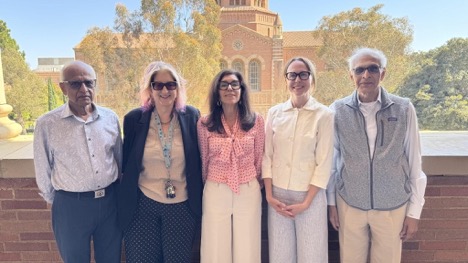
The University of California, Los Angeles, hosted the inaugural lecture for the Bhagavan Abhinandan Endowed Chair in Jain Studies on May 31, marking a significant step in expanding the academic study of Jain philosophy, ethics, and traditions in the United States.
The new chair was established through a $2 million donation from a group of Jain community donors and will be housed within UCLA’s Center for the Study of Religions. University leaders and members of the Jain community described the initiative as a milestone that will help deepen scholarly engagement with one of the world’s oldest religious traditions.
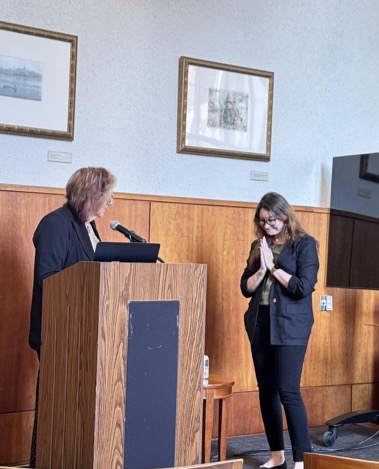
The inaugural lecture was delivered by Miki Chase, who serves as Chair of the Shri Anantnath Chair of Jain Studies at the University of Wisconsin–Madison. Her presentation examined the Jain practice of Sallekhana, also known as Santhara, a form of spiritual fasting undertaken near the end of life.
The event drew approximately 40 scholars, students, and community members and was followed by an extended question-and-answer session that explored the relationship between faith, ethics, medicine, and mortality.
READ: Jivrajka family gifts $2 million to UCLA for heart health chair (February 19, 2026)
Chase’s lecture focused on how contemporary Jain families often approach the final stages of life through a spiritual lens that differs sharply from mainstream Western medical frameworks. While terminal illness and cognitive decline are commonly addressed through medical interventions, hospice care, or palliative treatment in many Western settings, Jain teachings surrounding Sallekhana encourage detachment from the physical body and emphasize spiritual preparation.
 According to the research presented during the lecture, bodily decline is often viewed not solely as a medical challenge but as a meaningful opportunity for cultivating vairagya, or detachment from worldly attachments. The discussion also raised broader questions about how different cultures define a “good death” and whether prevailing bioethical assumptions in Western societies can be applied universally.
The lecture encouraged attendees to consider how concepts of suffering, dignity, and end-of-life care can vary across religious and cultural traditions. By examining the Jain understanding of physical pain as part of a spiritual process connected to karma, the presentation opened a wider conversation about the intersection of faith and modern healthcare.
University leaders highlighted the importance of the new academic position in broadening religious literacy and promoting cross-cultural scholarship.
READ: UCLA physicist Anshul Kogar wins $2 million research award (May 22, 2026)
“The establishment of the Bhagavan Abhinandan Endowed Chair is a transformative addition to our campus,” said Dean Alexandra Stern. “We are deeply grateful to the Jain community for their incredible generosity. This chair ensures that Jainism’s vital contributions to world philosophy, particularly its core tenets of non-violence and mindfulness, will be studied and celebrated at UCLA for generations to come.”
Before the academic program began, attendees gathered for a vegan luncheon that brought together university leadership, faculty members, and the donors whose support made the chair possible. Among those present were Pamela Sullivan and Carol Bakhos, who joined community members in recognizing the partnership behind the initiative.
The launch of the Bhagavan Abhinandan Endowed Chair reflects growing interest in Jain studies within American higher education and underscores UCLA’s efforts to foster global religious understanding. University officials said the chair will help create new opportunities for teaching, research, and dialogue that connect ancient philosophical traditions with contemporary academic inquiry.