


Comments by conservative commentator Sara Gonzales mocking Indian mangoes and their popularity among Indian Americans have sparked a sharp backlash online, with many members of the Indian diaspora accusing her of promoting stereotypes and xenophobic rhetoric.
The controversy began after Gonzales discussed Indian mangoes on her program while commenting on WhatsApp groups used by Indian-American communities to coordinate purchases of seasonal fruit imports. She questioned the popularity of varieties such as Banganapalli mangoes and suggested that enthusiasm for the fruit was largely driven by immigrants rather than mainstream American consumers.
READ: Demand for Indian mangoes in the US surges despite high costs (May 4, 2026)
Gonzales also cited Japan’s recent suspension of fresh Indian mango imports and claimed the fruit posed health risks. However, reports on Japan’s decision indicate that authorities cited deficiencies in fumigation and phytosanitary procedures at certain export facilities rather than contamination concerns.
The remarks quickly circulated across social media platforms, where Indian-American users condemned the comments as culturally insensitive and reflective of broader hostility toward Indian immigrants. and H-1B visa holders.
The debate comes as Indian mangoes continue to gain visibility across the United States. Retailers including Costco have expanded offerings of imported Indian varieties, while community groups routinely organize seasonal purchases through local networks and messaging platforms.
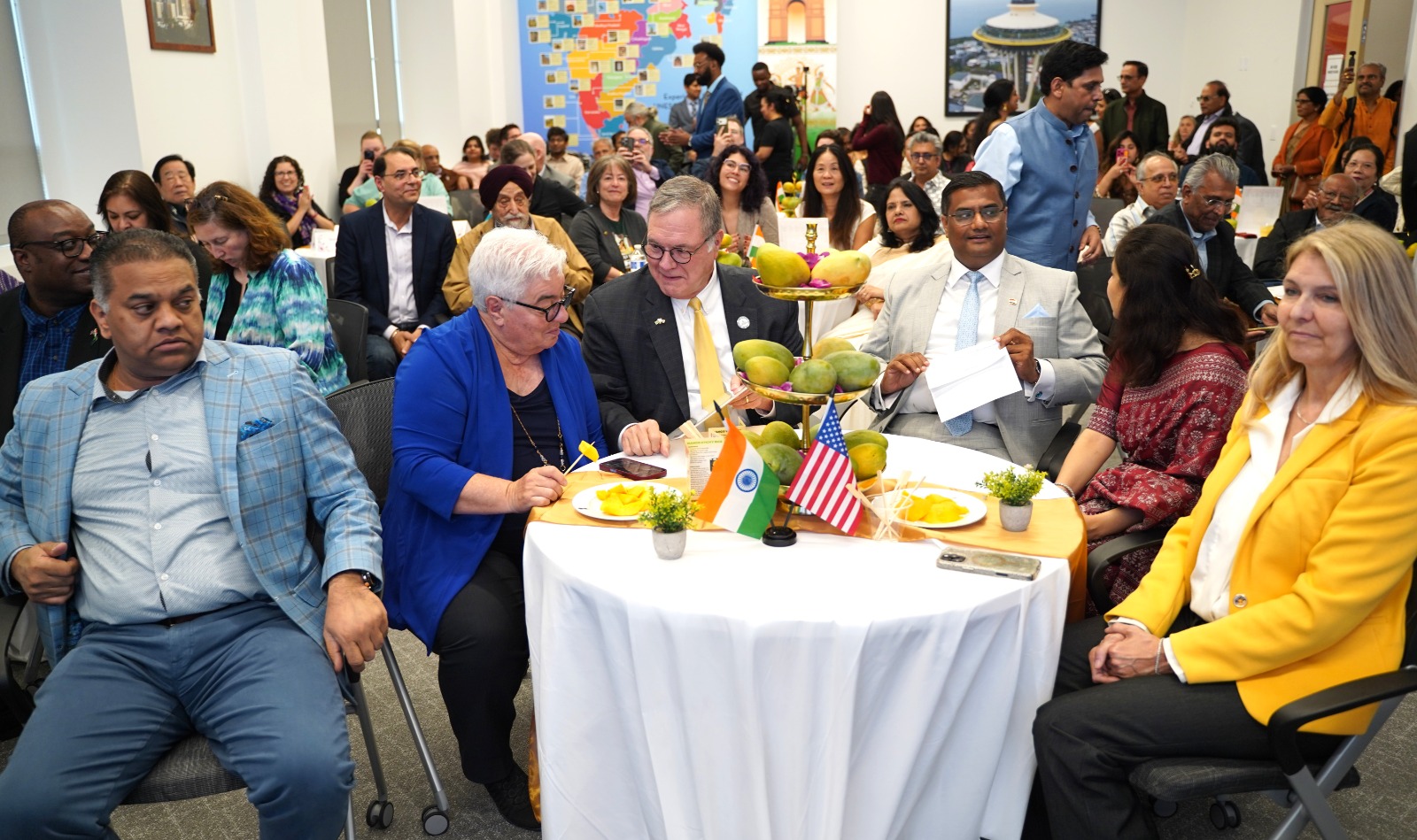
Indian diplomatic missions have also promoted the fruit as part of broader trade outreach efforts. The Consulate General of India in Seattle has partnered with India’s Agricultural and Processed Food Products Export Development Authority (APEDA) to host mango promotion events in the Pacific Northwest, highlighting varieties including Dussehri, Langra, Chausa and Banganapalli.
READ: Viral ‘Donald Trump’ buffalo spared from Eid sacrifice (May 28, 2026)
Demand for Indian mangoes has grown steadily among both Indian-origin consumers and food enthusiasts seeking specialty imports. Industry groups view the fruit as an important agricultural export and a cultural connection for overseas Indian communities.
For many Indian Americans, the dispute extends beyond fruit. Community advocates say the reaction reflects ongoing tensions surrounding immigration, skilled-worker visas and the increasing visibility of Indian Americans in business, technology and public life.
As the debate continues online, supporters argue that criticism of trade or import regulations should be separated from attacks on communities that have helped make Indian mangoes a sought-after seasonal product across the United States.