



A tentative peace agreement between the United States and Iran appeared closer than ever on Saturday, even as fresh military incidents near the Strait of Hormuz underscored the fragile nature of the negotiations that could reshape security and energy markets across the Middle East.
President Donald Trump said an initial agreement aimed at ending more than three months of conflict could be signed electronically on June 14, while Pakistani Prime Minister Shehbaz Sharif also expressed confidence that a breakthrough was imminent. Iranian officials, however, struck a more cautious tone, saying discussions were continuing and no final decision had been made on the timing of any agreement.
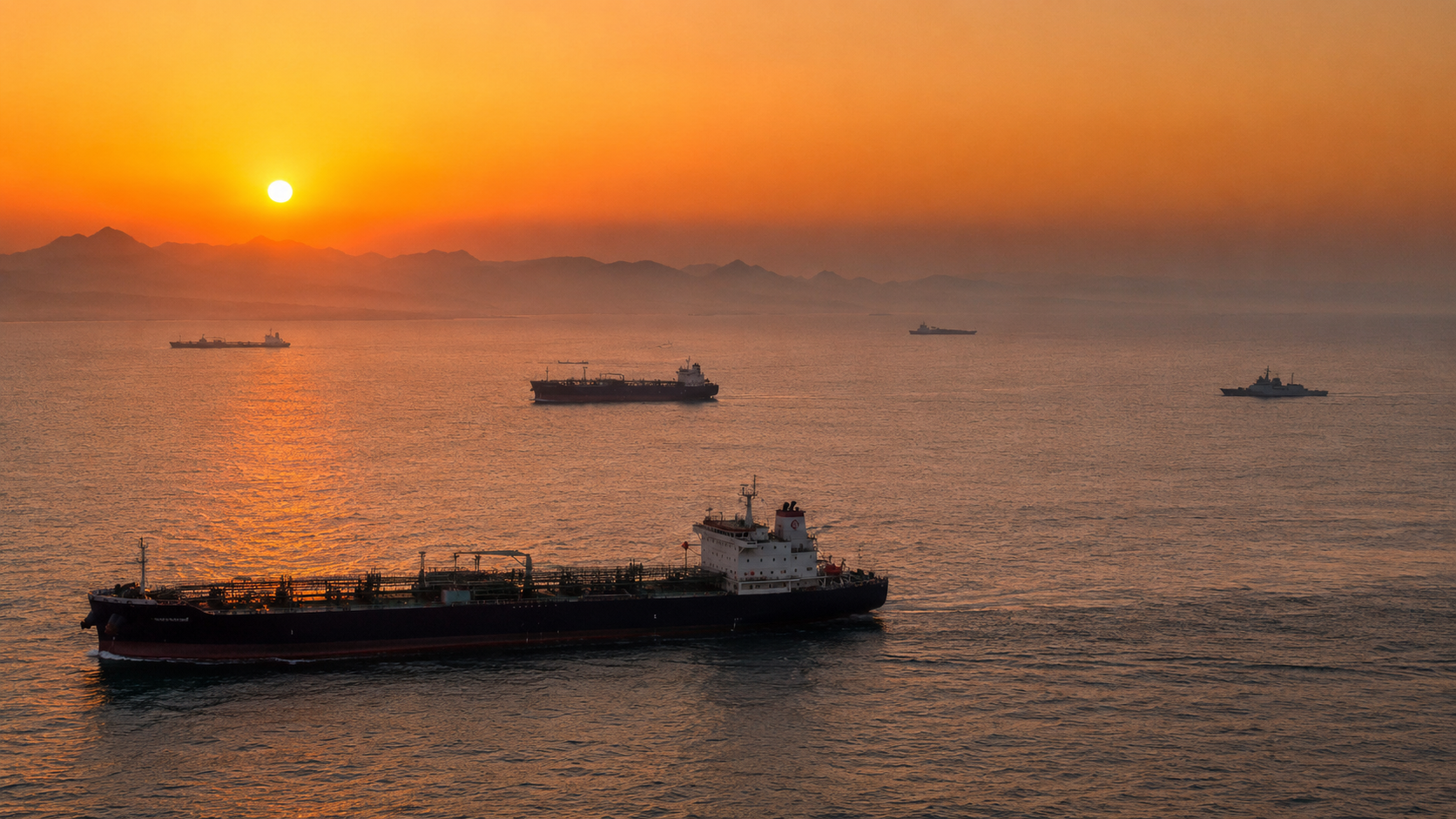
The proposed deal centers on reopening the Strait of Hormuz, one of the world’s most critical energy chokepoints. Before the conflict, roughly one-fifth of global oil and gas shipments passed through the narrow waterway. Draft terms described by officials familiar with the talks include the gradual release of frozen Iranian assets, sanctions relief tied to compliance measures, and a framework for future negotiations over Iran’s nuclear program.
READ: Oil prices settle $1 higher after Iran and Israel said they halted attacks (June 9, 2026)
Yet renewed security concerns have accompanied the diplomatic momentum. U.S. forces recently intercepted and destroyed several Iranian attack drones near the Strait of Hormuz after they were deemed a threat to commercial maritime traffic. The incident highlighted how quickly tensions could escalate even as negotiators move toward a settlement.
The conflict, which began in late February following U.S. and Israeli strikes on Iranian targets, has disrupted shipping routes, pushed up energy prices and drawn in regional actors including Lebanon’s Hezbollah movement. The proposed agreement would first halt hostilities and restore maritime access before addressing more contentious issues such as Iran’s nuclear activities and long-term regional security arrangements.
READ: Trump to use Peace Corps to promote AI around the world (February 23, 2026)
For global markets, the outcome carries significant implications. Any sustained reopening of the Strait of Hormuz could ease pressure on oil supplies and reduce uncertainty for import-dependent economies, including India, which relies heavily on Gulf energy exports.
While negotiators appear closer to an agreement than at any point since the war began, officials on both sides acknowledge that major differences remain. The coming days will determine whether the region moves toward de-escalation or whether fresh military flare-ups derail one of the most consequential diplomatic efforts in the Middle East this year.