



By Kashmira Konduparty
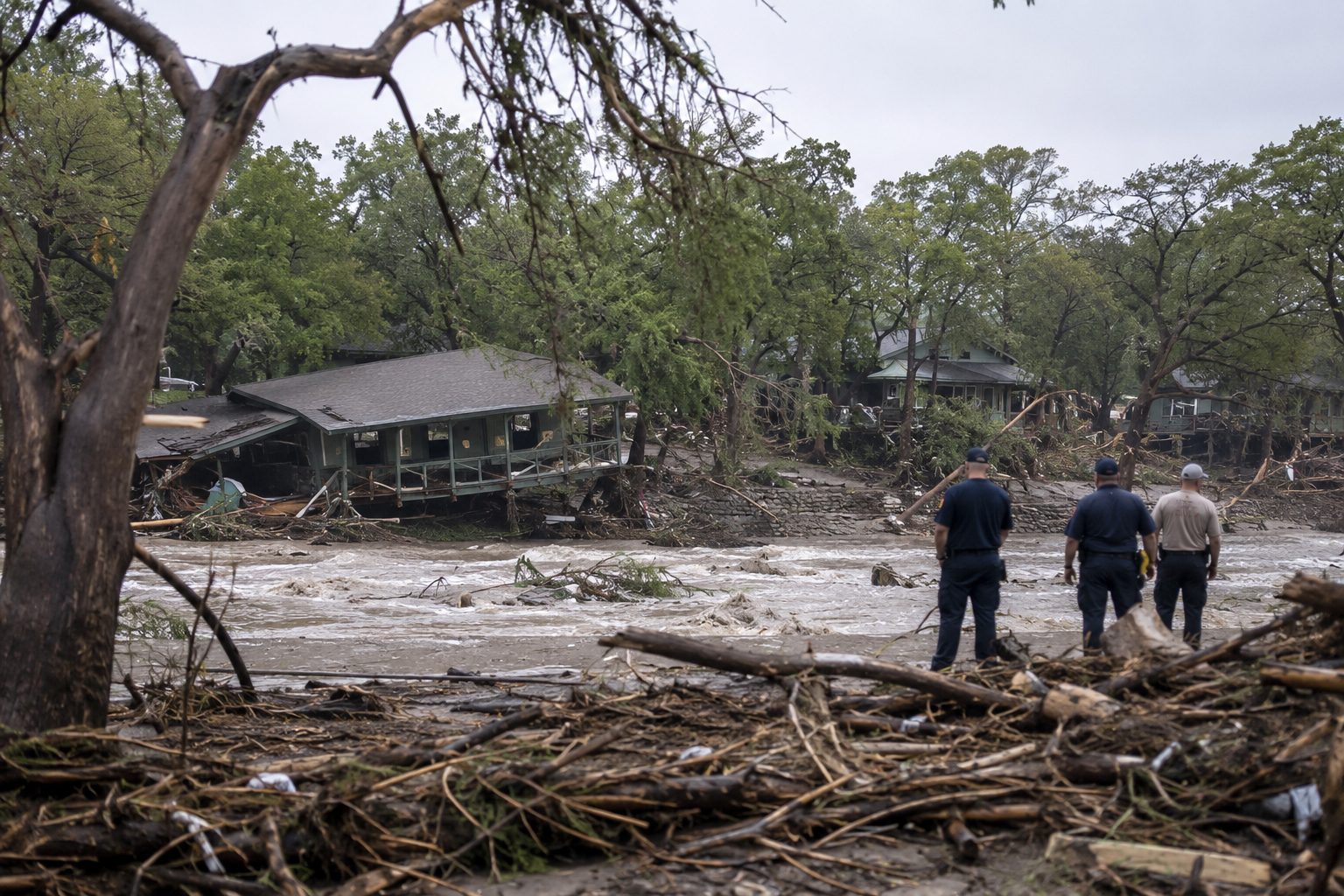
Camp Mystic, the Texas summer camp where 28 people died during catastrophic flooding last year, has filed for Chapter 11 bankruptcy protection as it faces mounting legal claims and financial pressure stemming from the disaster. The filing comes less than a year after flash floods swept through the camp during the July 4 holiday weekend, killing campers, counselors and the camp’s longtime director.
The all-girls Christian camp, located along the Guadalupe River in Texas Hill Country, filed for Chapter 11 reorganization in federal bankruptcy court on Wednesday. Court documents show the camp’s liabilities are estimated to be between $10 million and $50 million, while its assets are valued between $1 million and $10 million.
READ: Trump suffers setback as judge blocks proof of citizenship requirement for voters (June 25, 2026)
The flooding on July 4, 2025, claimed the lives of 25 campers, two teenage counselors and camp director Richard “Dick” Eastland. The disaster occurred as torrential rainfall caused the Guadalupe River to rise rapidly, contributing to one of the deadliest flooding events in Texas history. More than 130 people died across the wider region.
Since the tragedy, Camp Mystic and its owners have faced multiple lawsuits from victims’ families alleging negligence and inadequate emergency preparedness. Several lawsuits claim camp officials failed to implement effective evacuation procedures despite the camp’s location in a flood-prone area.
A report released earlier this month by a special Texas legislative committee found significant shortcomings in the camp’s emergency planning. Investigators said the camp lacked a written flood evacuation plan and had not adequately trained staff to respond to a major flooding event. The report also criticized leadership for failing to act quickly enough as weather conditions deteriorated.
READ: Pramila Jayapal, Rob Menendez introduce LIFT the BAR Act for immigrants in US (June 25, 2026)
The bankruptcy filing follows the camp’s decision in April not to reopen for the 2026 summer season. Camp officials had initially explored reopening portions of the facility for its 100th anniversary year but faced strong opposition from victims’ families, lawmakers and regulators. The camp ultimately withdrew its application to resume operations.
Legal experts say the Chapter 11 filing could complicate ongoing litigation because bankruptcy proceedings often pause civil lawsuits while courts determine how claims will be handled. However, attorneys representing victims’ families have argued that the filing should not prevent efforts to hold responsible parties accountable.
The camp’s future remains uncertain as bankruptcy proceedings move forward. Meanwhile, investigations into the disaster continue, including a criminal inquiry by the Texas Rangers into allegations of negligence related to camp’s response during the flood.