



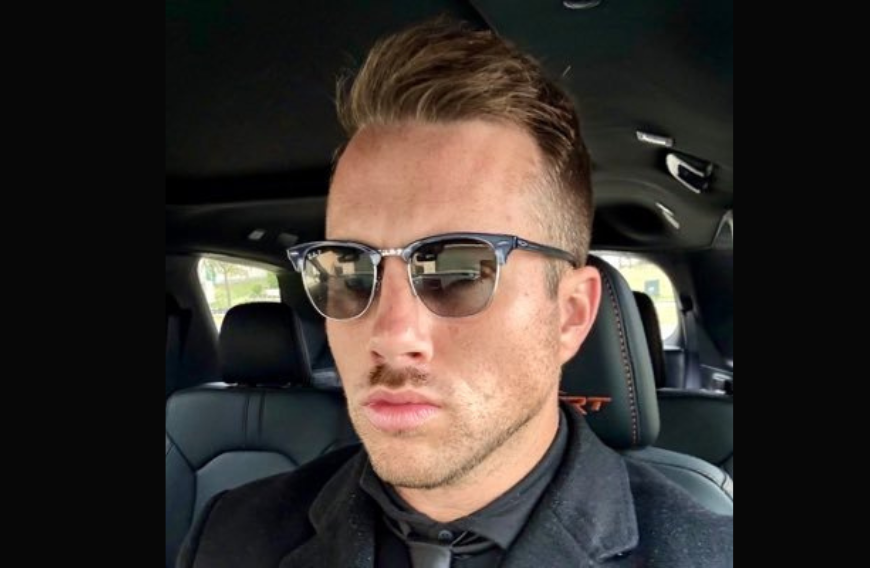
After the U.S. Supreme Court’s recent ruling tied to President Donald Trump’s effort to restrict birthright citizenship, political debate has continued to spill onto social media. Among those criticizing the decision was conservative commentator and RiftTV CEO Elijah Schaffer, who posted a video from outside a Hindu temple in Frisco, Texas, arguing that the ruling undermines the meaning of American citizenship.
Sharing the clip on X, Schaffer wrote: “See all these children of H1B visa holders behind me? They’re ‘just as American as you/me.’ Their parents aren’t even American citizens. But the traitors in the courts sealed the fate of this nation. Being American means nothing, it’s just magic soil now.”
In the video, Schaffer points toward children outside the temple and says, “You see all these children behind me, primarily of H-1B visa holders here in Frisco, Texas. Well, they were just born here to parents on temporary visas, and the federal Supreme Court just decided today… every single one of these kids here are just as American as you and me who have been here for hundreds of years.”
He goes on to question what he believes defines American identity, arguing that citizenship should involve more than being born in the United States.
READ: Beyond tech: Indian American chef Ankish Shetty says creative professionals can qualify for H-1B, O-1 visas (July 3, 2026)
“If your parent may not be an American, they may be here on a temporary visa, maybe they’re here on a green card, perhaps they’re just a resident, and we don’t really know. But then if you have children here, your children are now decidedly citizens,” Schaffer says. “It sort of just begs the question, this Fourth of July, what are we celebrating?”
Continuing his remarks, Schaffer argues that if “an American identity requires no blood, sweat, finances, tears, or history, you just have to be born on magic soil, then the identity of what an American is really no longer exists.”
He also references the Supreme Court’s dissenting justices, saying, “There was three justices who dissented. You had Alito, you had Gorsuch, and one other that basically said birthright citizenship does not mean that you are here temporarily and your kids are now American. It means if your parents were American, you can then inherit that American identity while being born here.”
Schaffer then shifts his focus to immigration policy, arguing that birthright citizenship complicates efforts to address H-1B visas and Temporary Protected Status.
“How do you solve the H-1B issue? How do you solve the TPS issue? If all of the kids are citizens, then, theoretically, the Supreme Court probably will let the parents stay as well. What, are we going to separate families? You saw how that went under the first Trump administration. People don’t like family separation,” he says.
READ: H-1B visa holders turn to the UK while keeping their US dreams alive (June 27, 2026)
Toward the end of the video, Schaffer makes a series of controversial remarks referring to children of Indian descent by stereotypical names and comparing them with families who have lived in the United States for generations.
“Little Panji, little Pooja, little Pandir, and all these other individuals are now red-blooded American patriots like your family in Appalachia or the rest of us here deep in Texas. And I don’t know how I feel about that, but I’m kind of… depressed about it, honestly, because it’s… Everybody knows that it’s…” he says.
Schaffer concludes by criticizing what he calls “suicidal empathy,” adding, “I’m afraid there may be no fixing the future when we have a Supreme Court that rules like this.”
Schaffer’s video has drawn attention online for connecting the Supreme Court’s birthright citizenship ruling with broader debates over immigration and American identity while singling out children of H-1B visa holders outside a Hindu temple.