



By Rajwa Quasim
Artificial intelligence boom is starting to hit American wallets, and the Federal Reserve is taking notice.
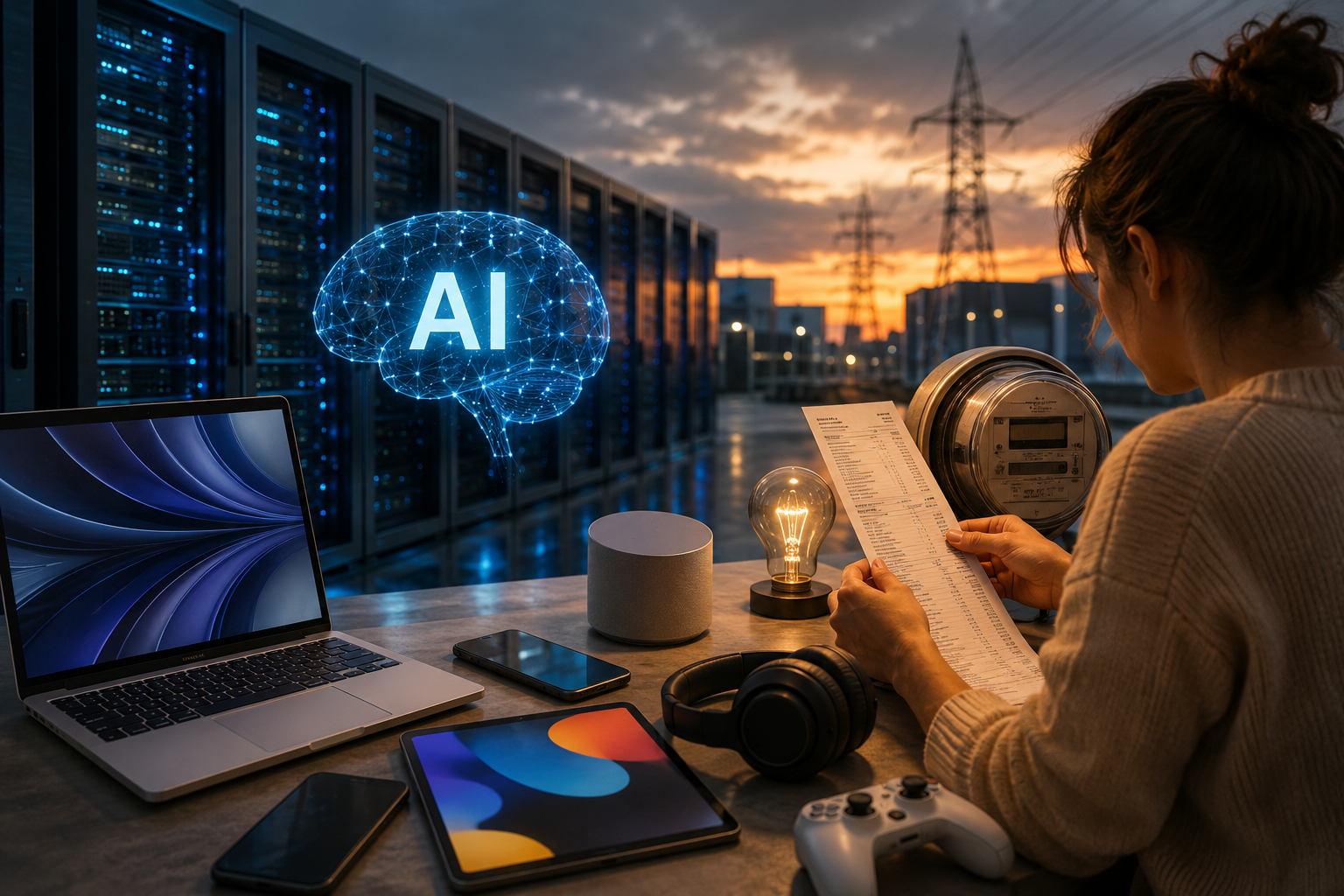
Tech companies are pouring more than $700 billion this year into building data centers that power AI, which has led to massive price surge of everyday electronics and electricity bills.
Four companies are leading the charge: Google parent Alphabet, Meta, Microsoft and Amazon. They are expected to invest $720 billion this year and most of it on data centers. These facilities require enormous quantities of computer chips and semiconductor and the increase in demand led to supply shortage. Analysts at JPMorgan Chase estimates that certain computer memory chips prices may climb by upto 400% from 2024 through the end of this year.
READ: OpenAI’s Kevin Weil joins Stoke Space board as rocket startup grows (July 8, 2026)
Consumers are already seeing a fallout. Apple raised prices on laptops and iPads 15% to 25% last month. Pushing the cost of a topline MacBook, from $1,699 to $1,999. In a statement, Apple said the surge in AI driven demand for memory and storage was unlike anything it had encountered before.
The same pattern followed by Microsoft with hiking a $100 on it’s Xbox console, while Sony raised PlayStation prices and computer makers Dell and HP boosted laptop costs.
It is not the AI alone, but the tariffs and then the oil price hike due to U.S.-Iran conflict all stacking up. Abiel Reinhart, an economist at JPMorgan, noted in Yahoo! Finance that one or two shocks might be manageable, but a sustained series or a wider range raises more concern.
READ: Indian American AI startup Noon acquires Bengaluru FinalRun (June 30, 2026)
The U.S. government’s Consumer Price Index indicates that the electricity price rose 5.9% in May compared to a year earlier, outpacing the overall inflation rate of 4.2%. Price had eased to around 2% annually in early 2025 after the pandemic surge. The electricity price may also rise up to 6% this year and next and above average of 3% in 2028, as noted by economists at Goldman Sachs.
Fed Chair Kevin Warsh said AI could eventually make the economy more efficient, tempering inflation over time. But he also acknowledged that its immediate effect is increasing demand and keeping prices under pressure. John Williams, president of the Federal Reserve Bank of New York, struck a more cautious tone, saying, “If this creates a sustained impulse to demand relative to supply in inflation, I do think that’s the kind of situation where you don’t look through this.”