



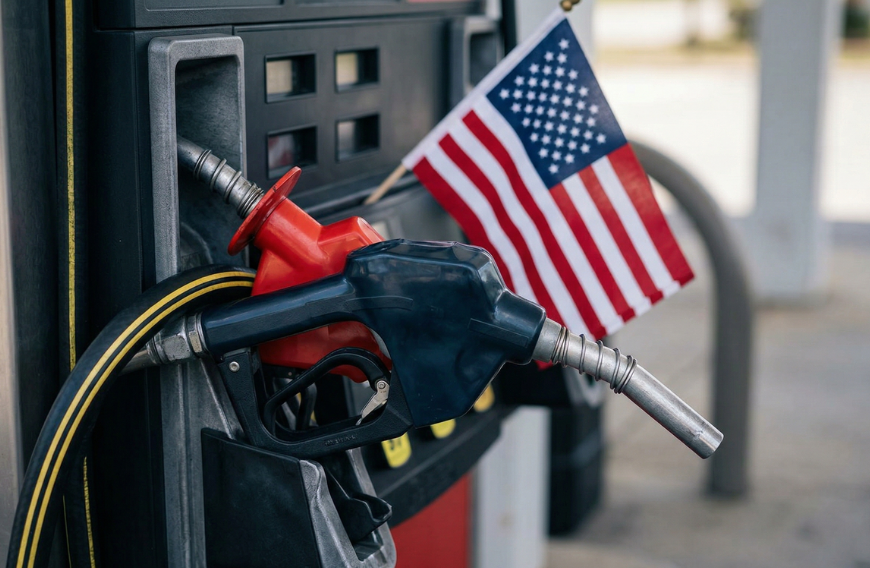
Gas prices rose to $4 per gallon in the U.S., following the launch of new attacks amid the conflict in Iran. Both the U.S. and Iran had launched attacks, sending the average price up. The average price a year ago was $3.14 a gallon. While $4 is average, they vary between states because of factors ranging from nearby supply to differing tax rates.
Gas prices first went over $4 a gallon on average at the end of March. They then went down in mid-June and continued to fall as crude oil prices eased when the U.S. and Iran reached an interim deal. Even then, President Donald Trump expressed frustration that gas prices weren’t falling as quickly as oil prices.
However, oil prices have also gone up again as the U.S. and Iran move closer to an all-out war. Reports from last week revealed that Brent crude rose more than 4%, raising fears of potential disruptions of global oil supplies, following an exchange of attacks by both countries. Brent crude for futures reached the highest ever since June 22, as it reached $78.82 a barrel.
READ: Gas prices jump in the US, and drivers are going the extra mile to save (March 10, 2026)
Patrick De Haan, head of petroleum analysis at GasBuddy, said Monday the average gasoline and diesel prices “rose in nearly every state for the second straight week,” and markets “are likely to see another jolt higher in the coming days.”
The rise in prices is not exclusive to the U.S. According to a Guardian report, European gas prices have also hit a four-month high. Analysts at Independent Commodity Intelligence Services (ICIS) said Europe’s gas supplies were facing pressure this winter, with the conflict delaying the expected recovery of Qatari liquefied natural gas (LNG) exports in the critical summer storage season.
READ: Trump weighs emergency measures to cool energy prices (March 10, 2026)
Meanwhile today, Iranian President Masoud Pezeshkian on Monday said his country was in a “full-scale war” with the United States and that Tehran should accept the repercussions of the conflict. “The reality is that today the Islamic Republic of Iran is engaged in a full-scale war,” Pezeshkian said, adding “we must be realistic and accept the natural consequences of this resistance.”
“The most important battlefield today is the economy and the livelihoods of the people,” Pezeshkian said in a meeting in Tehran with judicial officials.
“If economic pressures cause social discontent to form and this discontent spreads, the enormous social capital that the people have created in support of the state may be damaged.”