



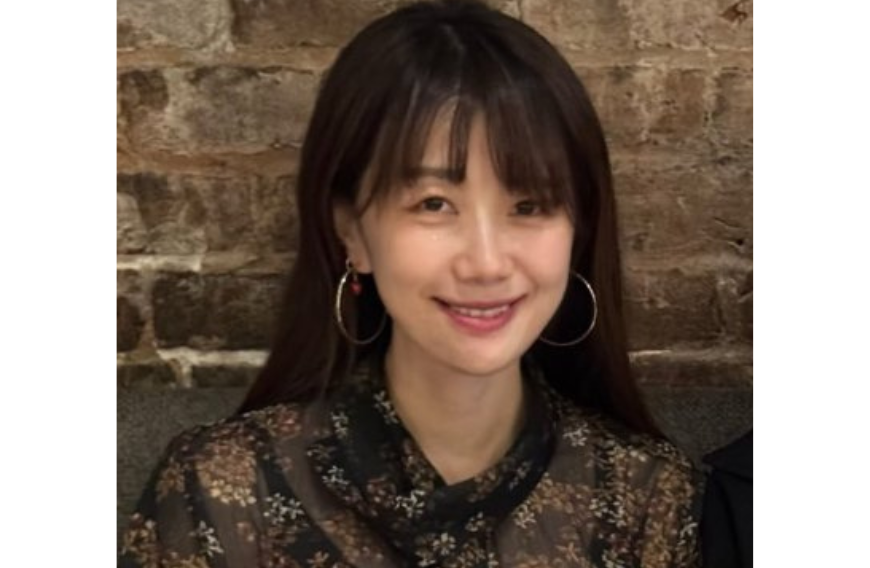
Lilian Weng, a prominent artificial intelligence researcher and co-founder of the highly valued startup Thinking Machines Lab, has stepped down from her position due to severe health issues.
Just days after announcing her departure, reports confirmed she is returning to OpenAI, her former employer, to lead an internal research team focused on recursive self-improvement.
Weng’s exit sheds light on the often-unspoken physical toll that high-stakes Silicon Valley entrepreneurship can exact on its leaders.
In a remarkably candid public message shared with colleagues, she disclosed that the relentless pace of building a new company had pushed her body to its absolute limits.
Over the past seven months, Weng revealed she had been sick more frequently and severely than at any other point in her life.
Despite her deteriorating health, she detailed the agonizing guilt she felt when trying to take necessary sick leave while the company was frantically sprinting to release its first open-weight artificial intelligence model, Inkling.
READ: Indian American CEOs still lead major US companies (July 5, 202)
For Weng, the boundaryless nature of being a startup founder, where professional demands never truly stop and expectations run incredibly high had become entirely unsustainable.
Realizing that human stamina cannot scale infinitely the way software models do, she made the difficult decision to prioritize her physical well-being.
Thinking Machines Lab was founded in February 2025 by Mira Murati, OpenAI’s former chief technology officer, alongside Weng and four other industry veterans.
The San Francisco-based public benefit corporation quickly became one of the sector’s most closely watched ventures. It secured a massive early-stage funding round, raising $2 billion at a $12 billion valuation with backing from major players like Nvidia and Andreessen Horowitz.
However, the immense pressure to deliver rapid technological advancements has coincided with significant executive turnover.
With Weng’s departure, only Murati and Chief Scientist John Schulman remain from the original founding group of six. Fellow co-founders Barret Zoph, Luke Metz, and Andrew Tullock all previously departed the young company, with Zoph and Metz notably returning to OpenAI earlier this year.
READ: Indian American AI startup Noon acquires Bengaluru FinalRun (June 30, 2026)
At OpenAI, Weng will trade the grueling, all-encompassing responsibilities of a startup founder for a specialized role with clearer boundaries.
She previously spent years at the ChatGPT-maker, where she initially worked on the Dactyl robotics project before eventually serving as vice president of applied artificial intelligence research and building the company’s safety team from scratch.
In her newly created role, she will spearhead research into recursive self-improvement. This emerging frontier focuses on creating artificial intelligence systems that can actively participate in improving their own training methods, research processes, and future model iterations.
By returning to an established corporate structure, Weng secures the opportunity to remain at the cutting edge of artificial intelligence development without sacrificing the personal necessities to rebuild and maintain her health.