



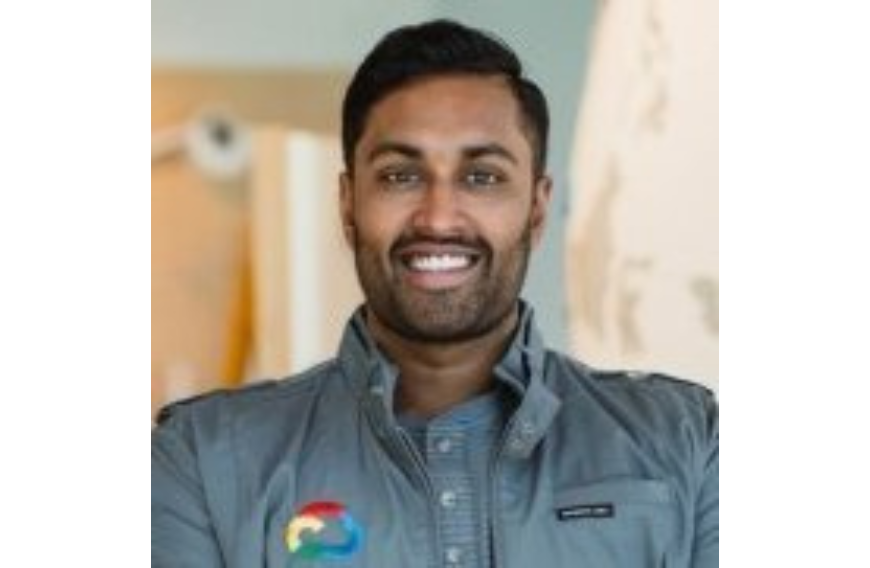
For Aaron Illathu, an Indian American who built his early career in Silicon Valley, moving to Dubai in 2020 was supposed to be the next step in a promising technology career. Instead, it became the beginning of an entrepreneurial journey that would see him bridge the worlds of U.S. tech and the Gulf’s rapidly growing wellness ecosystem.
Speaking about his career on the “Growing with the Gulf” podcast with Jim Stenman, Illathu reflected on how a string of unexpected setbacks—from losing a startup job during the pandemic to navigating unfamiliar hiring norms—ultimately led him to establish the Gulf operations of a U.S.-based wellness public relations agency.
A Silicon Valley career takes an unexpected turn
Illathu arrived in Dubai in February 2020 after accepting a role at an artificial intelligence startup. Armed with a neuroscience degree, research experience at Stanford, and several years at Google, he expected to continue building a career in technology.
The move was also personal. His future wife was already living in Dubai, and the couple had agreed that whoever secured a job in the other’s city first would relocate. She had reached the final interview rounds at Facebook for a tax lawyer position in California, and a different outcome could have kept Illathu in Silicon Valley.
Instead, the COVID-19 pandemic upended those plans.
Within weeks of his arrival, the startup lost funding, rescinded his job, and later shut down altogether.
Rather than return to the United States, Illathu stayed in Dubai, teaching piano to neighbors in his apartment building while searching for his next opportunity. A trained concert pianist, he describes that period as a “black hole,” even though teaching became a rewarding way to stay afloat.
Learning that credentials don’t always translate
One of the biggest surprises came when Illathu discovered that the résumé that had opened doors in Silicon Valley carried far less weight in the Gulf.
His experience moving frequently between opportunities—a common marker of ambition in the U.S. technology industry—was viewed differently by local employers.
Another cultural adjustment came when a friend advised him to remove his photograph from his résumé.
The reasoning, Illathu recalls, was that recruiters might interpret an Indian name differently before noticing his American citizenship and educational background.
READ: Two Indian American digital trailblazers among 2026 TIME100 Creators (July 24, 2026)
“In the US, if you said that, you’d be litigated,” he said.
The experience taught him that succeeding internationally required more than impressive credentials. It demanded understanding local business culture and building trust.
Using a Silicon Valley background to bridge two markets
Illathu eventually found his opening through a lifestyle public relations agency that wanted to expand into technology communications.
His Silicon Valley experience proved valuable. Working with clients such as Careem and later Uber, he helped build the agency’s corporate communications division before deciding to create something of his own.
Ironically, his path into communications had begun years earlier while attending Stanford.
To help pay student loans, he worked evenings at a fine-dining restaurant in Palo Alto frequented by executives including Elon Musk and Mark Zuckerberg. There, he met an Indian entrepreneur who became both mentor and business partner.
That relationship eventually led to a San Francisco property investment business and reinforced a lesson that would shape his career.
His mentor repeatedly told him to “always keep shopping yourself.”
That advice ultimately led him to Google, despite having no formal technology background.
Bringing American wellness brands to the Gulf
Illathu’s current role emerged through another unexpected introduction.
A relative connected him with contacts linked to Jack Taylor, a U.S.-based wellness public relations agency seeking to establish a presence in the Gulf Cooperation Council (GCC) region.
After several conversations, the company hired him to launch its regional operation, believing he uniquely understood both Silicon Valley’s technology ecosystem and the realities of doing business in the Gulf.
He helped bring wearable fitness company Whoop into the region and has since focused on introducing health technology and wellness brands to GCC markets.
Today, his role extends well beyond media relations.
Illathu advises startup founders entering the region on fundraising, expansion strategy, government engagement, and cultural expectations.
His background in neuroscience and technology allows him to understand both a company’s product and its financial stage. He calls himself an adviser who happens to do PR.
An Indian American perspective shaped by two worlds
Living in the Gulf has also reshaped how Illathu views identity.
He said immigrants in the United States often feel pressure to assimilate, whereas Dubai’s multicultural environment encourages people to maintain stronger ties to their home cultures.
“The world is not so black and white,” he said, reflecting on conversations with friends from across the Middle East that broadened his understanding of global events.
His own hiring philosophy has also evolved.
Having experienced how employers sometimes judged his background before his abilities, he now prioritizes talent over traditional credentials.
“Proper talent can come from anywhere,” he said.
Redefining success
Personally, the move to Dubai proved worthwhile.
The relationship that initially drew him there resulted in marriage and the birth of a daughter.
Professionally, he is now focused on building a company that can grow without depending entirely on him, allowing him to balance entrepreneurship with family life.
Looking back, Illathu sees no straight line connecting neuroscience, Google, real estate investing, piano teaching, and public relations.
Instead, each chapter equipped him with skills that helped him navigate international markets and build a career connecting Silicon Valley innovation with the Gulf’s growing technology and wellness sectors.
“The brain is just like any other muscle,” he said. “If you don’t use it, it atrophies.”