



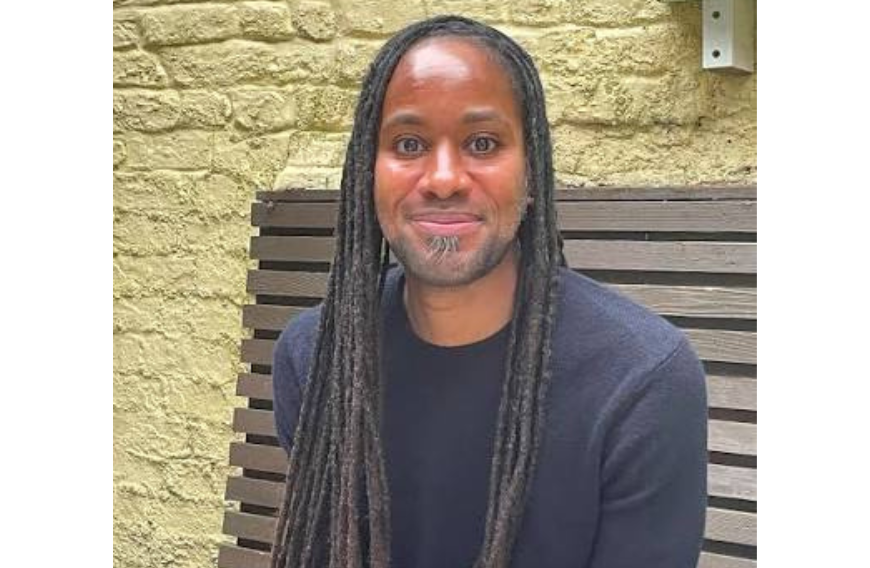
Cambridge professor Jason Arday has “resigned with immediate effect” following allegations of plagiarism. The university said Wednesday it had launched an investigation into Professor Jason Arday “following new information” about his “academic qualifications and honorary appointments”.
Arday, who became the university’s first Black professor in 2023, has admitted errors in his work, but said he had faced “an unrelenting level of public scrutiny and personal attack” and was not a “liar”. Arday said he had “concluded that the only way to bring this chapter to an end is to step away”.
This comes after a series of media reports questioned some of his achievements and allegations of plagiarism in his PhD thesis. Arday said he had “concluded that the only way to bring this chapter to an end is to step away”.
READ: MIT alumna Mitali Chowdhury wins Gates Cambridge scholarship (April 27, 2026)
Arday said in a statement by the Good Law Project on Wednesday that being appointed professor had been “without question, the greatest professional privilege of my life”.
But he added he had “concluded that the only way to bring this chapter to an end is to step away”.
He said his resignation should not “be interpreted as a loss of faith in scholarship or in the values that first brought me to Cambridge.”
“Nor should it be mistaken for an acceptance of the narratives that have surrounded me.”
He thanked his students and colleagues and said that “for my own wellbeing, for my family, and for those who have stood by me throughout this difficult period, I have concluded that the only way to bring this chapter to an end is to step away”.
“When that time comes, I will return,” he added.
Read: Indian American scholar maps the Milky Way’s hidden worlds (April 20, 2026)
The plagiarism accusations first came from Nathan Cofnas – a US researcher and self-defined “race realist”, whose role at a Cambridge college was terminated after backlash to his view that under a true meritocracy black people would “disappear from almost all high-profile positions outside of sports and entertainment”.
He claimed on Substack that he had put Arday’s work through a plagiarism detection software, which found that “many passages are lifted with minimal editing, sometimes retaining copy-editing mistakes from the original source”.
Initially Cambridge claimed the allegations were a “vile campaign to undermine his credibility”. Liverpool John Moores University – which awarded his PhD in 2015 – had investigated allegations of plagiarism in his thesis that were made last year, but did not uphold the charges.