



While pediatric oncology therapies save countless young lives, they frequently cast a long shadow over a patient’s adult future.
Individuals who beat cancer during childhood face an elevated probability of developing age-related illnesses, such as secondary cancers and heart disease, at younger-than-average ages.
To uncover why this happens, researchers are launching a major investigation into how cancer treatments might prematurely age the human immune system.
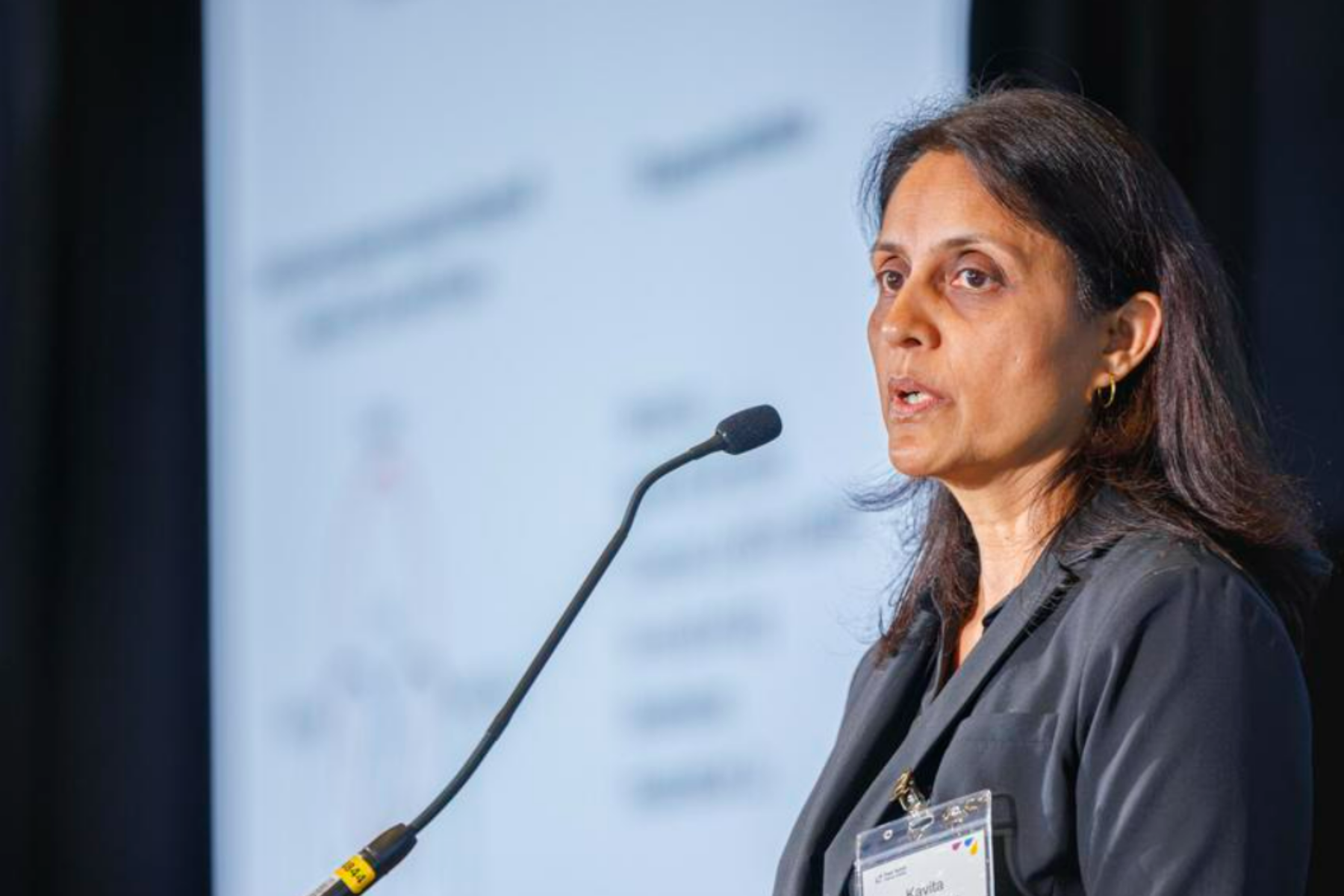
Dr. Kavita Dhodapkar, a pediatric immunologist at Fred Hutch Cancer Center and Seattle Children’s, secured a five-year R01 grant totaling $3.7 million from the National Institute on Aging.
Read: Two Indian American professionals named to Virginia advisory boards (September 9, 2026)
Working alongside co-principal investigator Dr. Smita Bhatia from the University of Alabama at Birmingham, Dhodapkar aims to track how immune aging influences long-term health outcomes in pediatric oncology survivors.
The competitive funding will allow scientists to leverage biological samples from the Childhood Cancer Survivor Study, focusing on long-term survivors of childhood blood cancers to determine cardiovascular outcomes.
“We know that our children who are survivors really do well in the first five to 10 years after treatment, for the most part,” Dhodapkar said. “But studies from many groups have shown that as they age and become adults, they get chronic diseases we typically associate with older people.”
Ordinarily, human immune function declines gradually as people grow older, paving the way for chronic, abnormal inflammation that contributes to conditions like heart disease and frailty.
Read: Indian American scientist wins top agricultural prize (September 7, 2026)
However, prior investigations conducted by Dhodapkar and her team indicate that a person’s immune “age” often looks many years older than their actual chronological age. Researchers also noticed that immune dysfunction often exists in children even before treatment begins.
These pre-treatment immune signatures frequently predicted how the immune system looked after recovery, suggesting a baseline immune “set point.” By mapping these trajectories, the team hopes to connect distinct patterns of immune aging to specific health outcomes, such as early-onset cardiovascular disease or frailty.
Ultimately, the team intends for these immune signatures to serve as more than biomarkers. The insights gleaned from the study could help identify patients most at risk and point toward therapeutic targets or strategies to prevent or slow accelerated aging and the development of chronic conditions.