



By Rajwa Quasim
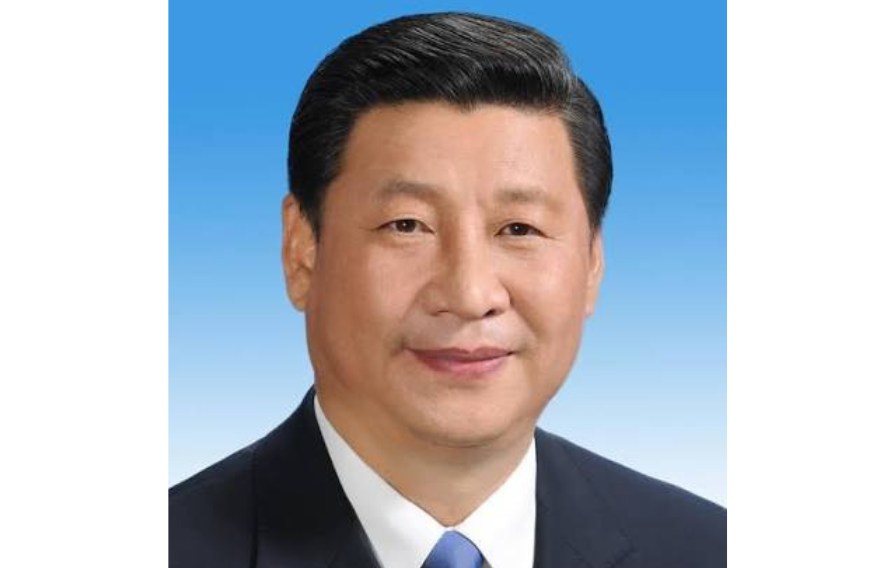
Chinese President Xi Jinping is set to make a state visit to the U.S. from Sept. 23 to 25, a trip that has been in the works since President Donald Trump extended the invitation during his visit to Beijing earlier this year. The summit is expected to cover issues including trade, artificial intelligence and China’s purchases of Russian energy.
According to media reports, Trump is also planning an unusual personal welcome for the Chinese leader at Joint Base Andrews. The two leaders last met in Beijing in May, where they held talks aimed at stabilizing relations between the world’s two largest economies. The upcoming meeting is significant as U.S.-China relations have remained strained over technology, tariffs and China’s close ties with Russia.
The run-up to the visit has been marked by weeks of preparations and diplomatic talks. U.S. and Chinese officials held extensive discussions in New York on Sunday. The talks lasted about eight hours and were attended by senior officials, including U.S. Treasury Secretary Scott Bessent, U.S. Trade Representative Jamieson Greer and Chinese Vice Premier He Lifeng.
READ: Trump signs Russia sanctions bill with 100% tariff threat for India, China (September 21, 2026)
U.S.-China trade talks
The discussions covered economic and trade issues, including the implementation of earlier agreements. Officials from the two countries are also negotiating a reciprocal tariff reduction framework that could involve about $30 billion in trade from each side. The products would include “non-sensitive goods,” potentially including consumer goods from China and agricultural products and medical devices from the U.S.
Greer said the negotiations are ongoing and that the “aim is to identify non-sensitive goods that can be considered separately from trade measures in the future.” The U.S. is also likely to discuss rare earths and critical minerals that are essential to domestic manufacturers and ways to ensure undisrupted imports from China.
However, political analysts have said trade tensions could complicate the outcome and make a broader agreement more difficult to reach. Adding to the tensions is the recently signed Lindsey O. Graham Sanctioning Russia and Iran Act of 2026 by Trump. The legislation targets Russia’s energy and defense sectors, along with its “shadow fleet” of tankers accused of helping Moscow bypass existing sanctions. The law also authorizes the president to impose tariffs of up to 100% on countries that rely on Russian oil and gas, including China and India.
China has condemned the move and said normal trade cooperation between countries should not be subject to interference by third parties. A Chinese spokesperson added, “China opposes long-arm jurisdiction and unilateral sanctions that have no basis in international law and lack a UN Security Council mandate.”
READ: India, China could face 100% tariffs over Russian oil imports (September 17, 2026)
Will the U.S. and China cooperate on AI security?
Artificial intelligence is another major issue between the two countries. Although they are competing for technological leadership globally, both have acknowledged security concerns surrounding increasingly powerful AI systems, which, if left uncontrolled, could pose serious risks.
After the New York meetings, Bessent said the two sides discussed creating a “U.S.-China AI dialogue” to address issues related to AI. He said the U.S. also proposed a system that would allow the two countries to notify each other about serious AI-related incidents or situations that could pose national security risks. Final decisions are likely to be made after both sides reach an agreement during the summit.
Wider geopolitical tensions affecting the talks
The summit comes against the backdrop of geopolitical tensions involving Russia and Iran. China is a major economic partner of both Russia and Iran. According to reports, Russia supplied approximately 20% of China’s crude oil imports in 2025. In August 2026, China imported around 2.64 million barrels of crude oil per day from Russia.