



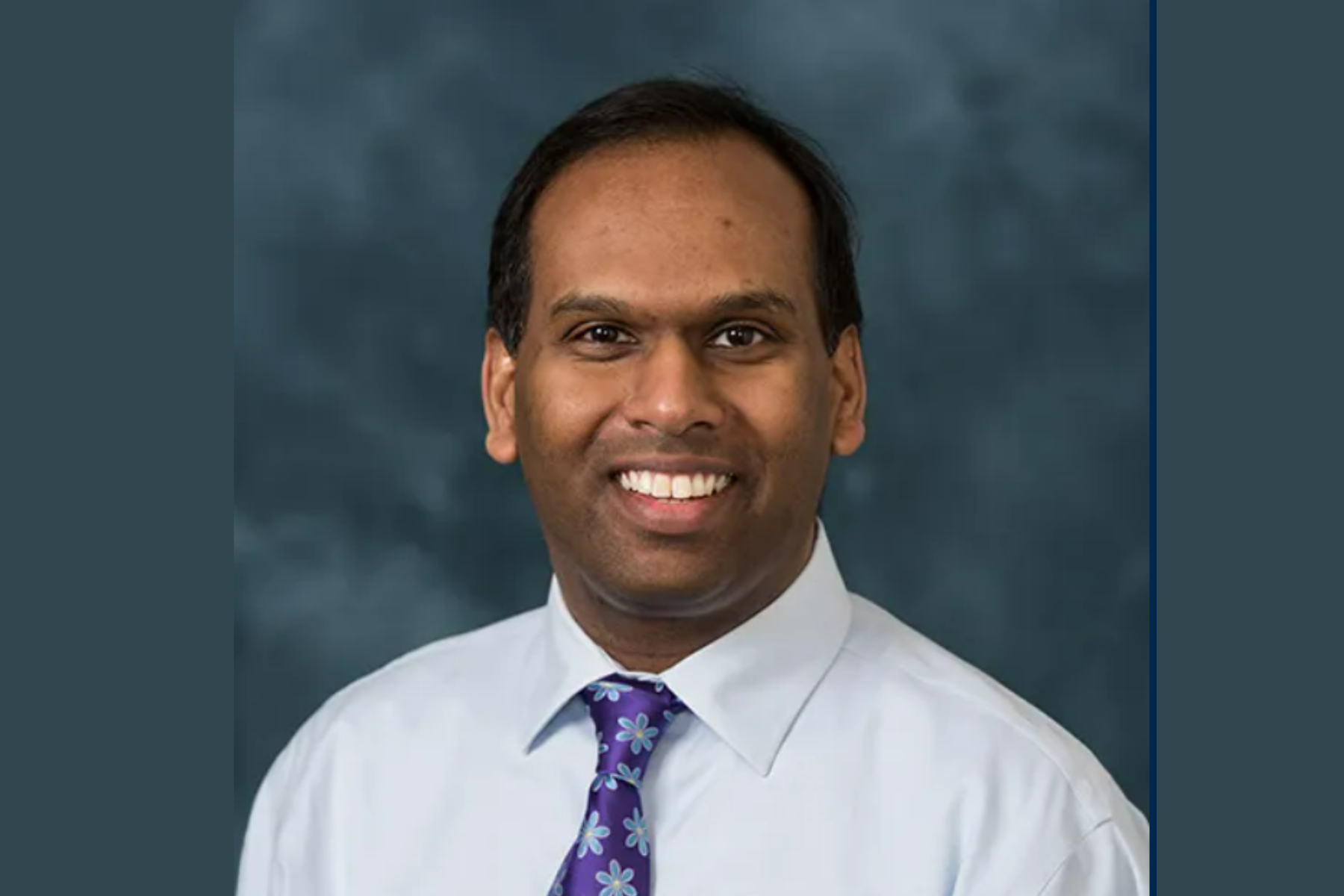
Venkatesh Murthy, a noted Indian American University of Michigan Health cardiologist and health innovation researcher, has been appointed to a national task force to help direct national preventive health efforts.
Murthy, the Melvyn Rubenfire Professor of Preventive Cardiology, has officially joined the 16-person U.S. Preventive Services Task Force, bringing his extensive expertise in cardiovascular imaging and quantitative methods to federal screening initiatives.
Federal health officials announced Murthy’s appointment as one of eight new members tasked with evaluating clinical evidence to enhance health outcomes across the country. The independent panel issues widely trusted recommendations that influence clinical practice nationwide.
Read: Indian American couple’s $4M donation fuels engineering innovation (September 11, 2026)
In his new role, Murthy will rigorously examine data regarding preventive screenings, counseling services, and proactive medical interventions.
At Michigan Medicine, Murthy also holds faculty appointments in the U-M Medical School Departments of Internal Medicine and Radiology. His academic portfolio centers on cardiometabolic disease, subclinical atherosclerosis, coronary vasomotor dysfunction, cardiovascular imaging, and the application of artificial intelligence and advanced quantitative methods to these arenas.
Beyond his clinical duties at the Frankel Cardiovascular Center, Murthy is a member of the Frankel Institute for Heart and Brain Health and serves on the Management Committee for the Michigan Institute for Data & AI in Society. His academic background encompasses rigorous scientific training, combining complex molecular research with clinical cardiology.
Read: Two Indian American professionals named to Virginia advisory boards (September 9, 2026)
“I am honored by the opportunity to serve the nation by applying gold-standard science to improve the health of all Americans,” Murthy said. “With rapid advances in biomedical technology, the USPSTF’s careful, scientific process of evaluating and recommending preventive health measures is more important than ever.”
The U.S. Preventive Services Task Force operates as an independent panel of national experts in prevention and evidence-based medicine. Members work to close knowledge gaps and provide clear, accessible guidance for primary care clinicians and the public using letter grades.