



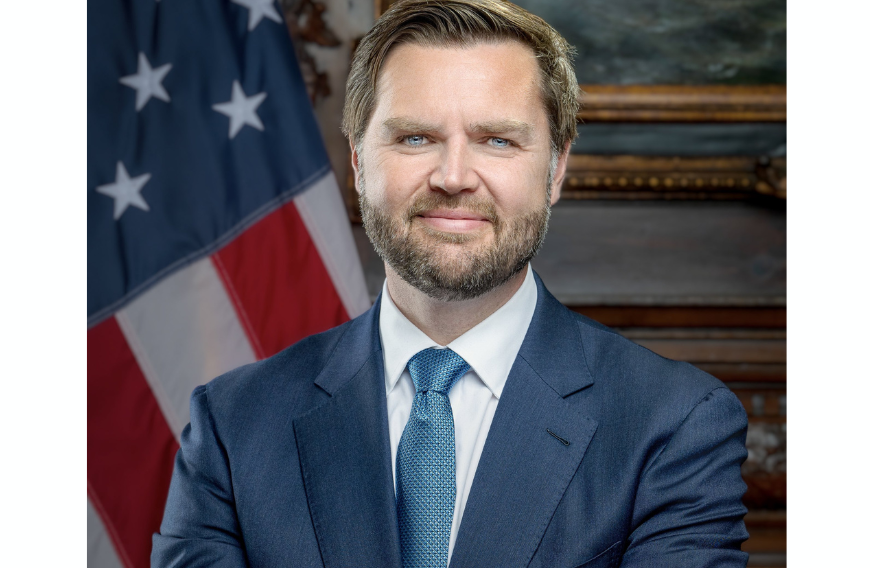
Vice President JD Vance announced increased oversight of H-1B visas and criticized companies for laying off American workers while hiring foreign workers through the program.
“You’ll have a company that applies for an H-1B and they’ll say, ‘Oh, we’re desperate for workers. We can’t find the workers.’ And then you go and look at their history and they’ve laid off 5,000 people. Well, that’s ridiculous,” Vance said. He added, “If you’re laying off American workers, you shouldn’t be going to the market searching for foreign workers to replace them.”
The comments come after President Donald Trump signed an executive order on Sept. 18 directing the Departments of Labor, Homeland Security and State to consider whether employers have laid off, or plan to lay off, similarly situated U.S. workers when reviewing H-1B petitions.
READ: At Iran talks, JD Vance names his ‘Favorite’ Indian and Pakistani (June 21, 2026)
The order also directs the Labor Department’s Wage and Hour Division to review information from previously filed labor condition applications and determine whether additional enforcement action may be appropriate.
Vance said the administration is pursuing administrative changes because he does not expect Congress to overhaul the H-1B system through legislation.
He said the administration wants H-1B visas to go to workers who make significant contributions to the U.S. economy.
“We looked at the fraud in the system,” Vance said, explaining the decision to pursue administrative changes rather than wait for Congress to rewrite the law.
Vance said companies seeking H-1B workers should demonstrate that they are hiring people who can “significantly enrich the tech ecosystem or the American economy.”
READ: JD Vance delays Switzerland trip to lead US talks about Iran nuclear program (June 19, 2026)
He also cited a hypothetical scenario in which an American accountant earning $60,000 is replaced by a foreign accountant earning $45,000.
“That is not what the program exists for,” he said.
The comments come amid the Trump administration’s broader immigration crackdown. The administration is also imposing a $100,000 payment requirement for covered H-1B petitions involving workers outside the U.S. Trump extended the restriction in September 2026 through Sept. 21, 2027, while retaining a national-interest exception.
“The H-1B should not exist to replace American workers with low wage foreigners. It should exist to enrich the American economy,” Vance said. He also acknowledged that the administration is operating within legal limits and that some of its H-1B measures have already faced lawsuits.