



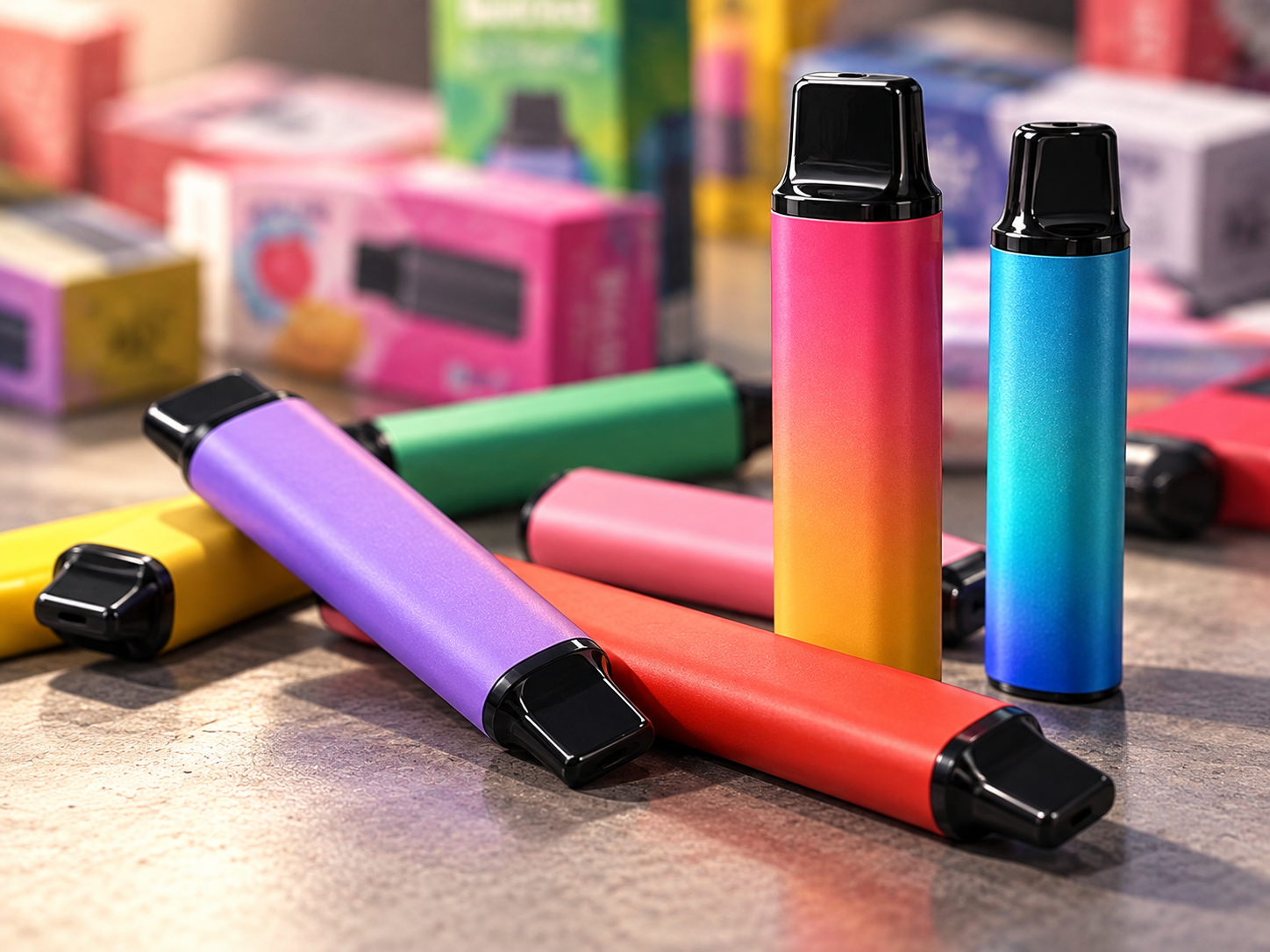
California is set to ban the sale of single-use, battery-powered vapes as part of a new effort to reduce plastic pollution and the environmental waste linked to disposable vaping devices.
Gov. Gavin Newsom signed the legislation Monday, with the new restrictions set to take effect in stages. Beginning Jan. 1, 2027, manufacturers and importers will be prohibited from producing or bringing new or refurbished battery-embedded vapor devices into the state. Retail sales of the devices will be prohibited starting Jan. 1, 2028.
The law specifically targets disposable e-cigarettes containing tobacco. The restrictions apply only to tobacco-containing disposable vapes and do not extend to cannabis vaping products.
READ: FDA warns of defective heart syringes by Medline, issues safety alert (April 8, 2026)
Vapes, also known as electronic cigarettes, are battery-powered devices that heat a liquid or other substance to produce an aerosol. Depending on the product, the aerosol can contain nicotine or cannabis, along with flavorings and other chemicals. While some devices can be refilled, disposable models are designed to be discarded after use.
Supporters of the new law have pointed to the growing amount of waste created by disposable vapes. The California Public Interest Research Group, or CalPIRG, estimates that nearly 500,000 disposable vapes are thrown away across the United States every day.
Many of these devices contain batteries that can pose environmental and safety concerns when they are discarded improperly. Disposable vapes can end up in landfills, where their batteries may create fire risks, or on streets and other public spaces, where chemicals including lead and lithium can leak into the environment.
Assemblymember Jacqui Irwin, who authored the legislation, said the measure is intended to prevent battery acid from discarded single-use vapes from entering land and waterways.
The affordability and accessibility of disposable vapes have also contributed to their popularity, according to experts. Unlike refillable devices, they generally do not require users to purchase additional e-liquid or maintain the device, making them a convenient option for consumers.
The law will allow state or local authorities to impose fines for violations. A first offense can result in a $500 fine, followed by a $1,000 fine for a second violation and $2,000 for subsequent violations.
The legislation has also drawn opposition from California businesses and tobacco retailers. The California Grocers Association opposed a similar proposal in 2022, arguing that restrictions could contribute to increased tobacco smuggling.
READ: The Food and Drug Administration (FDA) unveils AI for scientific review (
Arkan Somo, co-founder of the Neighborhood Market Association, which represents small businesses in California, said the new restrictions could place additional pressure on family-owned stores that sell tobacco products.
“If we’re going to take the environment as an excuse to keep banning these products, where is that going to stop?” as per Somo. “They’re really putting California at a huge disadvantage.”