



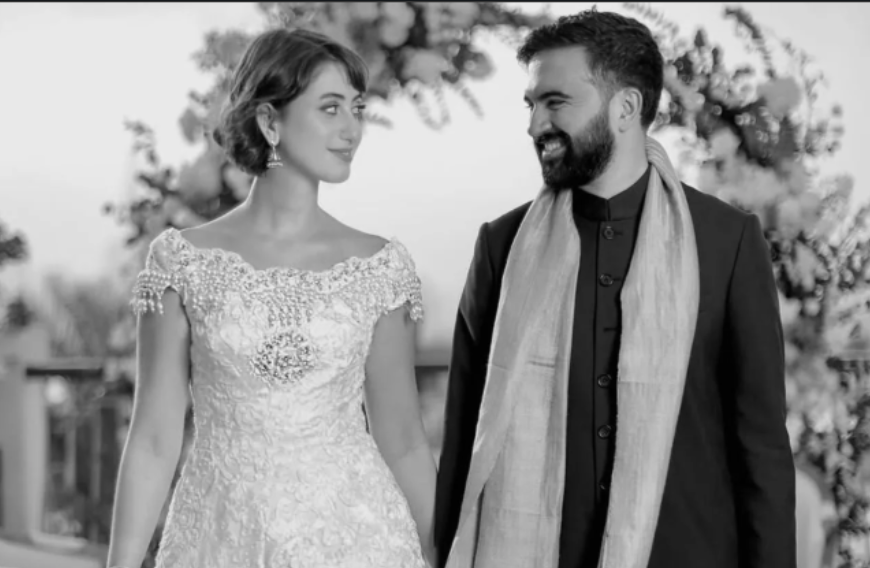
New York City Mayor Zohran Mamdani, who rose to prominence during his 2025 mayoral campaign, quickly became a fan favorite. With a reigning right-wing leader overarching American politics, Mamdani’s socialist, middle-class-focused and immigrant-focused policies resonated with many New Yorkers. But it didn’t end at that.
His modern love story with Syrian American artist and wife Rama Duwaji, who he met on the dating app Hinge, captured the attention of young adults grappling with online dating not just in America but all over the world.
In a recent interview with The New York Times, Mamdani described his wife as an “oasis.” And many have fawned over his comment, wanting a love for themselves similar to theirs. While many saw this as a compliment to his beloved partner, I couldn’t help but feel exhausted at his remark.
The exhaustion perhaps comes from men, especially of those with South Asian heritage, who value women on their ability to give. Looking at his metaphor more closely, an oasis is a place of water and life in the middle of a desert, offering relief in times of desperation and need. Imagine grueling heat and endless stretches of dry sand. Surely, an oasis would be godsent.
READ: The Kohinoor distraction: Why Indian Americans should look past Zohran Mamdani’s theater (
While I truly understand the sentiment of thinking of your partner as the person who saved you, or as someone vast enough to embrace and hold you in countless ways, it is exhausting to see women reduced to their physical and emotional labor. A woman who doesn’t constantly give, who doesn’t always embrace, who isn’t there to put the pieces back together is too often labeled evil, selfish or somehow not a “real” woman.
Of course, Mamdani is a Democratic socialist, and that broader worldview is worth keeping in mind. He quickly followed his earlier comment with “[Rama] is her own person, […] she’s an incredible artist.” And speaks further about how the world views her as a “politician’s wife,” boxing her into the role.
While credits to Mira Nair for raising her son well, unfortunately, his “oasis” comment still manages to irk South Asian women like me. Because when I hear someone described as an oasis, I think of someone who keeps giving endlessly without asking for anything in return — a role women have long been expected to play in a patriarchal society.
Mamdani could have meant that the “love of his life” was simply a deeply supportive person, an “oasis” in his life. But it still frames her role as one of sustaining him. After centuries of men depending on women while denying them equal power, women are tired of carrying a system that was never built to serve them.