



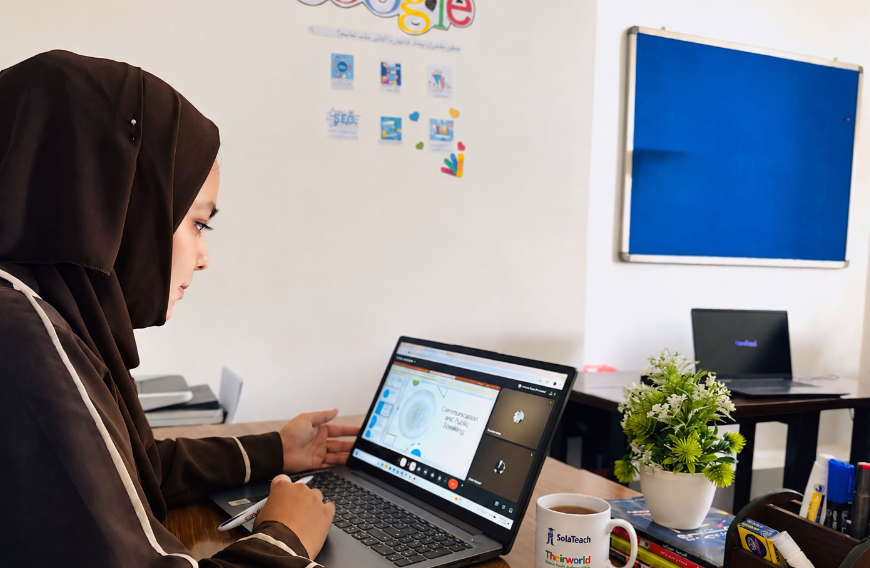
Afghan American educator and SolaTeach founder Hamayun Khan shares his personal journey from Afghanistan to the United States, the challenges facing Afghan girls seeking education, and his vision for creating new pathways to learning, careers and opportunity through SolaTeach and New Roots USA.
For Hamayun Khan, the idea behind SolaTeach is deeply personal.
His journey has taken him from Afghanistan to Pakistan, India and Mexico before eventually bringing him to the United States. Along the way, he saw firsthand how access to education and opportunity can shape the direction of a person’s life.
“SolaTeach started from something very personal to me,” Khan told The American Bazaar in an exclusive interview. “I am originally from Afghanistan, and through my own journey—from Afghanistan to Pakistan, India, Mexico, and eventually the United States—I have seen how much access to education and opportunity can shape a person’s future.”
That experience became particularly significant for Khan after 2021, when he began thinking about young Afghan women whose educational and economic opportunities were rapidly disappearing.
“Afghanistan has endured decades of conflict, and many families have lost male members who were often the main source of income. Today, with many women also restricted from education and employment, some households are left with very limited ways to support themselves,” he said.
Khan said he did not establish SolaTeach with the expectation that it could replace schools or universities. Instead, he wanted to create another route to learning for women who were finding traditional educational doors increasingly closed.
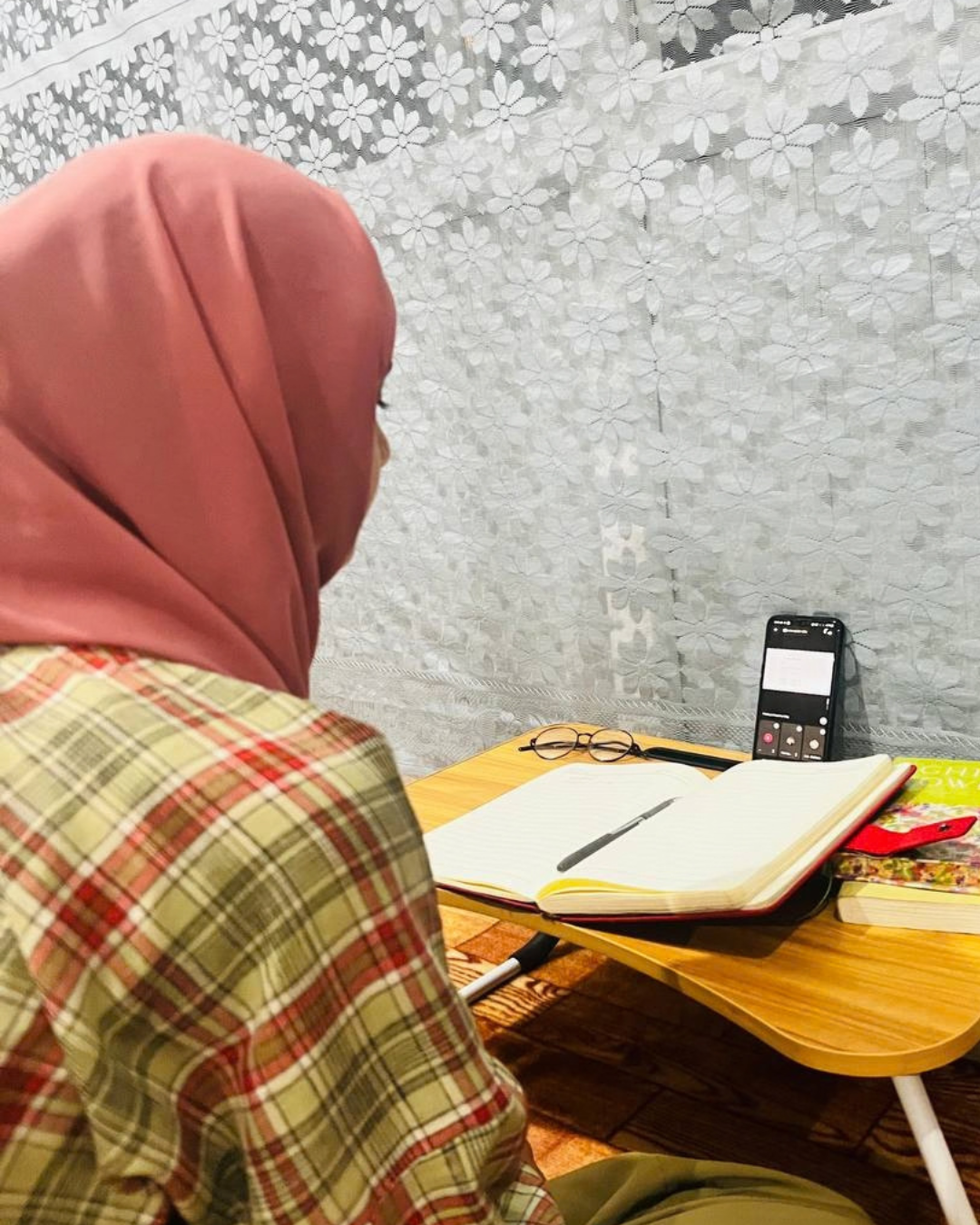
“After 2021, I kept thinking about young Afghan women who were talented and motivated but were losing both educational and economic opportunities. I did not start SolaTeach because I thought we could replace a school or university. We cannot. I started it because I believed we could still create a door for learning where others were being closed,” Khan said.
SolaTeach provides free online training in English, digital literacy, computer skills, communication, professional development and mentorship. The goal is not simply to help students complete courses, but to give them practical skills that can eventually translate into remote work, freelancing or entrepreneurship.
“Through free online training in English, digital literacy, computer skills, communication, professional development, and mentorship, we want women to continue learning from home and develop practical skills that can eventually help them earn through remote work, freelancing, or entrepreneurship,” Khan said.
At the center of his vision is the belief that circumstances should not determine a person’s ability to learn or become financially independent.
“At the heart of SolaTeach is a simple idea: a person’s circumstances should not determine how far they are allowed to learn, grow, or become financially independent,” he said.
But creating an online classroom does not automatically remove the barriers facing Afghan girls.
Khan said many students struggle with unreliable internet access, electricity, limited devices and financial constraints. Even privacy and family circumstances can affect whether a student is able to participate consistently.
“The biggest challenge is that the problem goes far beyond simply offering an online class,” he said.
“Many Afghan girls face limitations in internet access, electricity, devices, financial resources, and sometimes even the privacy or family environment necessary to participate consistently. A student may be extremely motivated but still miss a class because her internet stopped working, she shares a phone with family members, or circumstances around her suddenly changed.”
For Khan, however, the challenge is not limited to infrastructure. There is also the psychological
impact of repeatedly seeing educational opportunities disappear.
“There is also an emotional dimension. When a young person has repeatedly been told that certain educational doors are closed to her, maintaining hope and motivation itself becomes difficult,” he said.
That has pushed SolaTeach toward a more flexible model that combines education with mentorship, confidence-building and mental wellbeing.
“That is why we try to make our programs flexible and accessible. We use online platforms that students can join even through phones, communicate through familiar channels, and create supportive learning spaces. We also increasingly integrate mental wellbeing, mentorship, and confidence-building into our work,” Khan said.
READ: AI won’t fix education on its own. Chaula Gupta explains what schools need (September 19, 2026)
And, he added, the organization does not have to look far to find talent.
“Our challenge is not finding talented Afghan girls. There is no shortage of talent. The challenge is making sure circumstances do not prevent that talent from developing.”
Since its launch, SolaTeach has grown from a volunteer-led initiative into a broader educational platform. Khan said its programs have reached more than 2,500 learners, particularly Afghan girls and youth, since 2023. The organization has also created more than 50 teaching and volunteer opportunities and received more than $5,000 in grants and incubation support.
But Khan does not define that growth only through numbers.
“The change has been significant, particularly considering that SolaTeach began as a volunteer-led initiative,” he said.
The organization initially concentrated heavily on English-language learning. Over time, however, Khan said it became clear that students needed support that extended beyond language instruction.
“Initially, much of our focus was on English language learning. Over time, we realized that our students needed a broader ecosystem of support, so we expanded into digital literacy, computer skills, professional development, mental wellbeing, leadership, mentorship, and career preparation.”
That broader approach has included the From Vision to Voice Strategic Thinking and Public Speaking Summit, held in June 2026 with 80 participants from Afghanistan and several other countries. SolaTeach also launched its Youth Ambassador Program, selecting and training 10 young ambassadors, five girls and five boys, in leadership, communication and community engagement.
The organization has also expanded its mental wellbeing programming, completed an English writing course with 27 graduates and launched a free digital library.
“SolaTeach is gradually evolving from simply delivering classes into building pathways for learning, confidence, leadership, and opportunity,” Khan said.
For Khan, the ultimate measure of that work is what happens after a student finishes a course.
SolaTeach tracks enrollment, attendance, completion, participant feedback and engagement, as well as the skills students demonstrate during and after their programs. But Khan believes those measurements only tell part of the story.
“Sometimes impact is a student becoming confident enough to speak publicly for the first time, improving her English to pursue another opportunity, or stepping into leadership through our Youth Ambassador Program,” he said.
The organization also looks at the development of its volunteers and staff, including through its Volunteer of the Year Award, which recognizes team members for commitment, leadership and service.
As SolaTeach grows, Khan said it wants to develop stronger long-term tracking to understand whether participants continue their education, find internships or employment, volunteer or eventually create opportunities for others.
“For us, completing a course is not the final outcome. What someone is able to do because of that learning is much more important,” he said.
That philosophy has also shaped Khan’s next initiative in the United States.
New Roots USA is designed around the challenges faced by immigrants rebuilding their lives after arriving in a new country. For Khan, the initiative is particularly personal because of his own experience of moving across several countries before making the United States home.
“New Roots USA is probably one of the initiatives I connect with most personally because I understand what rebuilding life in a new country feels like,” Khan said.
He said immigrants, particularly those arriving from Afghanistan and other conflict-affected countries, may come to the U.S. with education, professional experience and ambition, but suddenly have to navigate unfamiliar systems.
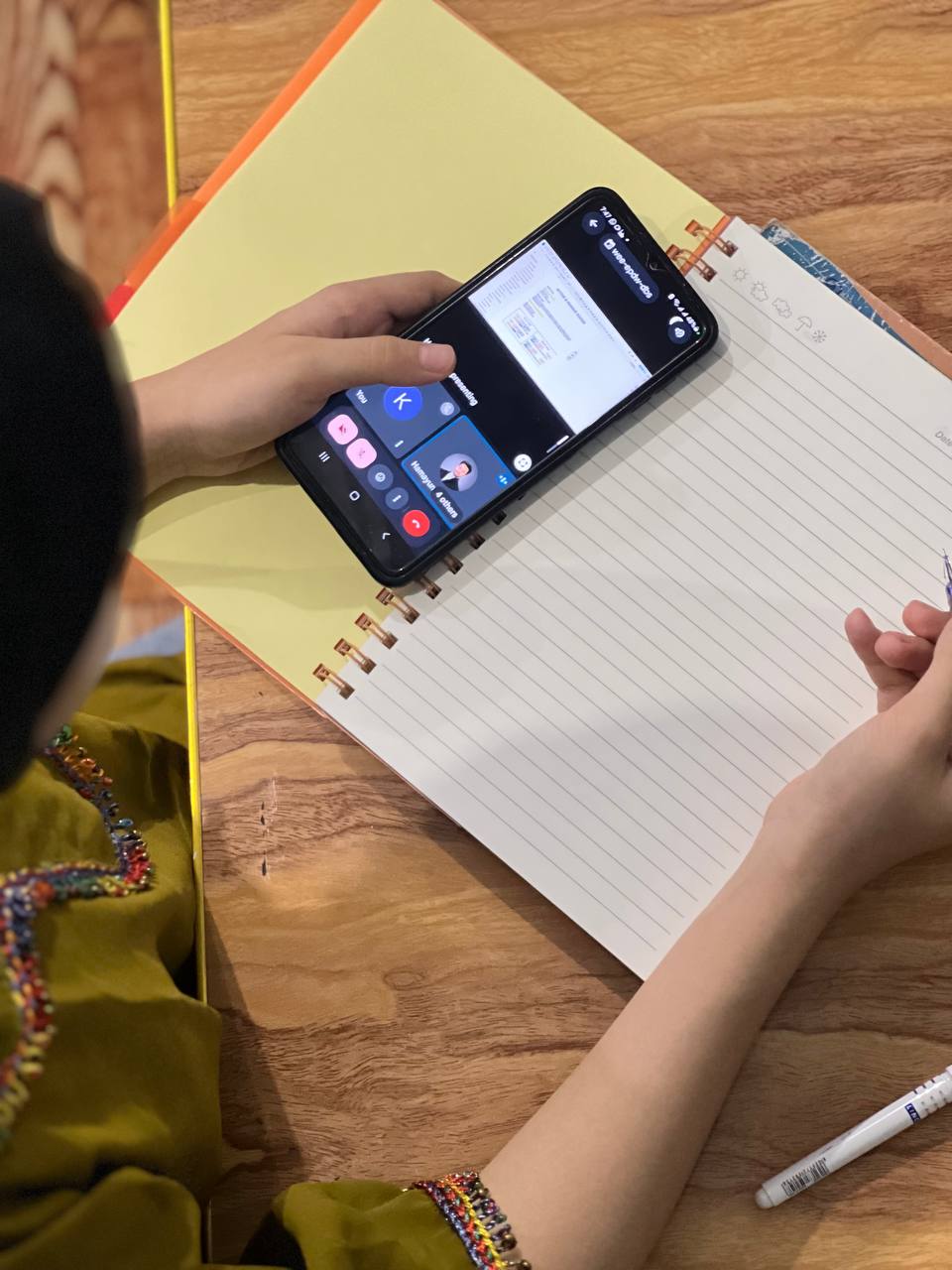
“I have lived in several countries before eventually making the United States home. When immigrants arrive here, particularly people coming from Afghanistan or other conflict-affected countries, they may bring education, professional experience, ambition, and enormous resilience. But they are suddenly navigating a completely different system.”
Employment is only one part of that transition, according to Khan. Communication, professional culture, networking, confidence, mental wellbeing and simply understanding how systems work can all become challenges.
“Finding employment is only one part of that transition. There are questions about communication, professional culture, community, mental wellbeing, networking, confidence, and simply understanding how things work,” he said.
That is why Khan sees education as something that should continue even after someone leaves Afghanistan.
“New Roots USA grew from the realization that education should not stop once someone leaves Afghanistan. The challenges simply change.”
The initiative is still developing and is focused on community integration and mental wellbeing, while also looking at English, digital and professional skills, job readiness, communication, mentorship, personal development and connections to community resources.
“New Roots USA is still developing, and I think it is important to be transparent about that. We are building it carefully rather than pretending we already have every service available,” Khan said.
For conflict-affected immigrants rebuilding their lives in the United States, Khan believes one of the hardest parts is starting over while carrying the experiences and professional identities they had before migration.
“I believe one of the biggest challenges is starting again while carrying everything that came before,” he said.
An immigrant may have been a professional, entrepreneur, teacher, university student or respected community member in their home country. But their qualifications may not immediately transfer, their English may affect their options and they may not yet understand the professional networks and systems that are familiar to others.
“That can be frustrating because their talent has not disappeared, but the environment around that talent has changed,” Khan said.
He also pointed to less visible challenges, including isolation, loss of community, cultural adjustment, financial pressure and the responsibility of helping family members adapt.
Khan does not believe successful integration should require immigrants to abandon their previous identities.
“I believe successful integration should not mean asking people to forget who they were and begin from zero. It should mean helping them translate what they already know into a new environment while developing the additional skills they need to move forward.”
That idea also informs how New Roots USA approaches career preparation.
“Our approach through New Roots USA is to focus on the gap between having ability and knowing how to navigate a new professional environment,” Khan said.
That can involve English and communication skills, digital literacy, résumé and professional development, job readiness, mentorship, confidence-building and an understanding of workplace expectations.
READ: Education and India’s long argument with the future (
But Khan also wants immigrants to recognize the value of the experience they bring with them.
“An immigrant should not automatically think, ‘Everything I did before coming here has no value.’ Often the challenge is learning how to communicate that experience in a way that a U.S. employer, university, or professional network understands.”
As New Roots USA develops, Khan hopes to build partnerships connecting participants with mentors, universities, employers and community organizations.
The same emphasis on partnerships is central to SolaTeach, which has made a commitment to keeping its educational programs free for learners.
“They are extremely important because we have made a deliberate commitment that SolaTeach’s educational programs remain free for learners,” Khan said.
The organization has relied heavily on volunteers, instructors, mentors, partnerships, grants and organizations willing to support its work while it continues to grow.
“Support from organizations such as Global Changemakers has helped us move from ideas into structured programs. We have also collaborated with organizations including the Amanah Foundation and other community and youth partners.”
For Khan, however, partnerships are not simply about raising money.
“Partnerships are important for more than funding. Sometimes the most valuable contribution is an instructor giving their time, an organization connecting us with expertise, a university opening a door, or a professional mentoring a young person.”
He hopes more members of the American philanthropic community will view Afghan education as an investment in human capital as well as humanitarian assistance.
“There are incredibly talented young people whose ambitions have survived conflict, displacement, and educational restrictions. Sometimes a relatively small investment in connectivity, training, mentorship, or technology can keep that potential alive,” he said.
Technology is also becoming increasingly important to SolaTeach’s vision, particularly as artificial intelligence reshapes education and employment.
Khan said the organization does not want its students to simply observe technological change.
“We do not want our students simply to watch technological change happen around them. We want them to understand it and participate in it and become part of it.”
He believes that preparation begins with foundational skills such as digital literacy, computer skills, communication, critical thinking and confidence.
“Before someone can meaningfully benefit from AI, they need digital literacy, computer skills, communication skills, critical thinking, and the confidence to learn new technologies.”
SolaTeach has begun introducing young people to AI through educational programming, including a recent webinar focused specifically on artificial intelligence. But Khan believes AI education should go beyond learning how to use a particular tool.
“At the same time, I think AI education should go beyond teaching someone how to enter a prompt into a tool. Young people need to understand how to use AI responsibly, verify information, think independently, protect their privacy, and use technology to strengthen rather than replace their own abilities.”
For Afghan youth, Khan sees digital skills as potentially reducing some of the geographical barriers that have historically limited access to education and employment.
“For Afghan youth especially, digital skills can also reduce geographical barriers. Remote education, digital work, freelancing, and global collaboration can create possibilities that might not otherwise exist locally.”
Looking ahead, Khan wants SolaTeach to become something that students can grow with over time rather than simply a place where they complete an individual course.
“I want SolaTeach to become an institution that young people can enter at one stage of their journey and continue growing with.”
In his vision, a student could begin with English or computer training, move into mentorship and leadership development, become a Youth Ambassador, access career opportunities and eventually return to SolaTeach as a mentor or instructor.
Over the next five years, Khan wants the organization to improve the quality of its programs, strengthen measurement systems, build sustainable funding, expand university and professional partnerships and create clearer pathways toward higher education, employment, entrepreneurship and leadership.
“I also want New Roots USA to grow into a meaningful support platform for Afghan and other conflict-affected immigrants rebuilding their lives in the United States,” he said.
But Khan’s ambition is not simply to make SolaTeach larger.
“But I do not want growth simply for the sake of saying SolaTeach became bigger.
I want it to become stronger, more sustainable, and more useful.”
Ultimately, he measures the organization’s future through the people who pass through it.
“If five years from now we can point to young women and men who first came to SolaTeach as students and are now professionals, university students, entrepreneurs, mentors, and community leaders, that will be the kind of growth that matters most to me.”
For Khan, that future comes down to a single image: a bridge connecting people with possibilities that circumstances may have placed out of reach.
“Ultimately, my vision is that SolaTeach becomes a bridge—a bridge between restriction and opportunity, between displacement and belonging, and between the potential young people already possess and the future they are trying to build.”