



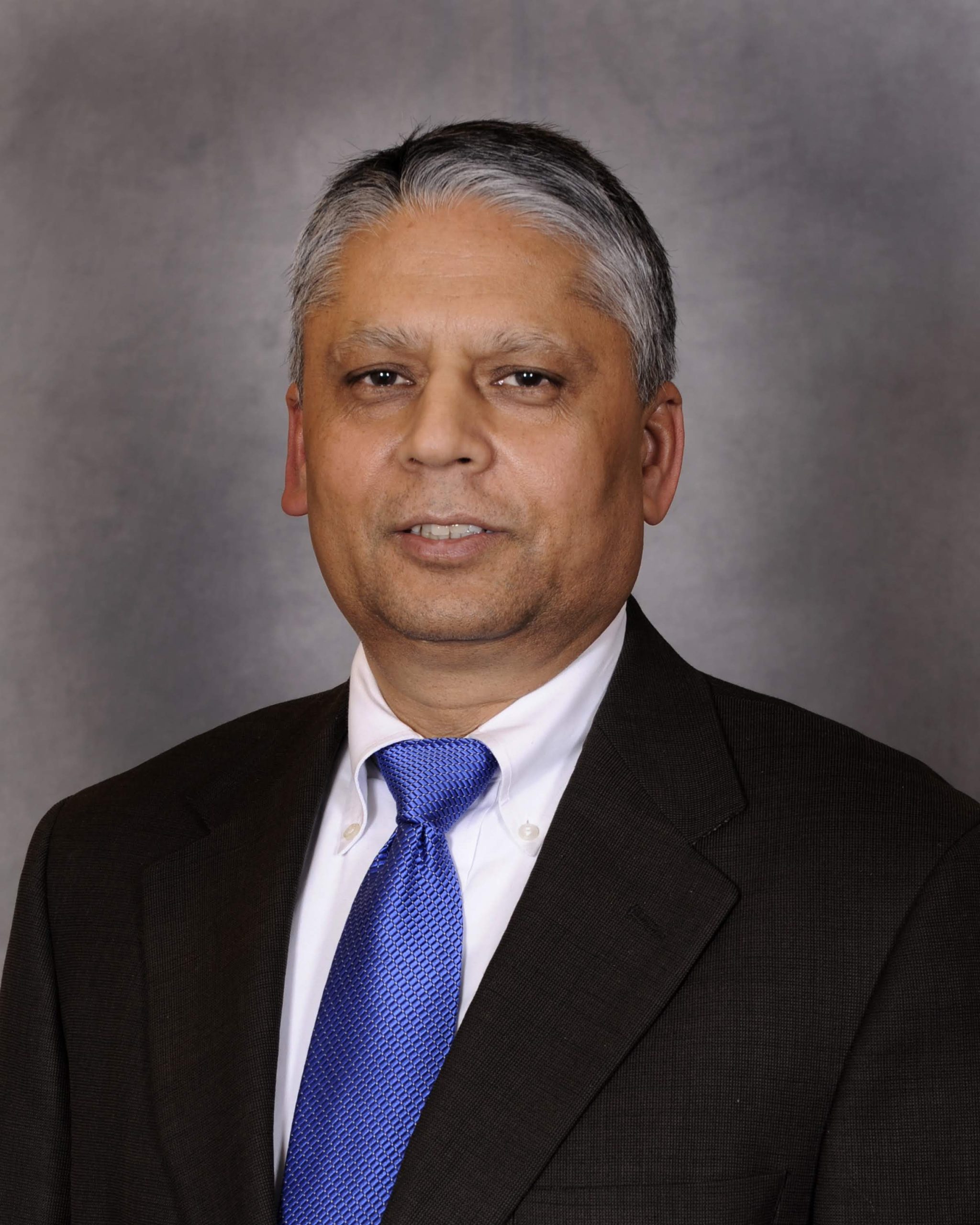
In an exclusive interview with The American Bazaar, newly crowned President of TiE Houston Somesh Singh talks about cultivating a thriving startup ecosystem in Houston, and TiE’s role in that.
TiE Houston has recently announced changes to its leadership. On Jan. 30 during the “Investing in the Age of AI” event at the Junior League of Houston, the organization introduced its new leadership team. Long-time board member Somesh Singh took on the role of president at TiE Houston effectively.
The event brought together esteemed investors, technology experts, and thought leaders to explore the evolving role of artificial intelligence (AI) in shaping investment strategies.
“We are excited to welcome such a vibrant community of professionals to discuss one of the most critical topics of our time—artificial intelligence and its influence on the investment world,” said Singh in a media release of the event.
READ: Apple CEO comes out in support and praise for DeepSeek (January 31, 2025)
“This is just the beginning, and we look forward to continuing to foster these conversations and supporting the growth of the AI and investment sectors.”
TiE Houston is a regional chapter of TiE Global, an international nonprofit organization founded in 1992 by successful entrepreneurs in Silicon Valley. The organization’s mission is to foster global entrepreneurship through mentorship, networking, education, and access to capital. TiE Houston is dedicated to helping entrepreneurs and startups in the Houston area grow and succeed.
TiE, originally founded in Silicon Valley by successful Indo-American entrepreneurs, has grown into a global network spanning over 40 countries. TiE Houston was established nearly 24 years ago and continues to play a pivotal role in the city’s startup ecosystem. Singh believes this is one of the reasons that sets TiE Houston apart from other growing numbers of incubators and accelerators in the city.
One of Singh’s key priorities as he steps into his leadership role is expanding TiE Houston’s charter membership. This core group—comprising professionals, entrepreneurs, and industry experts—brings in expertise and funding that fuels the nonprofit’s initiatives.
“Growing this membership base is crucial because it brings in expertise and funding that allows us to create new programs,” Singh tells The American Bazaar.
Singh, a Columbia Engineering and Wharton School graduate, shared how Houston, despite being one of the largest metropolitan cities in the U.S., lacked in “startup culture,” compared to tech hubs like Silicon Valley.
“You’d assume Houston is a hub for entrepreneurial activity—but it is not,” says Singh, elaborating on how “there’s a lot of talent in Houston, but it has not reached its potential in terms of tech or STEM-related startups.”
“While there is strong entrepreneurial activity in general, the level of STEM-related startups is not where it should be given the city’s size, talent, and resources,” Singh noted. “That’s where TiE comes in. Our entire mission is to help entrepreneurs in various ways.” he hopes.
READ: Perplexity AI CEO Aravind Srinivas stuck in green card backlog (January 31, 2025)
When asked why Houston has not reached its full potential of becoming a hub for fostering startups, Singh says: “Houston has an incredible amount of talent, resources, and knowledge. But if we use VC funding as a benchmark, we are significantly behind. One can only speculate, but our hypothesis is that it has a lot to do with culture.”
Venture capital has traditionally been concentrated on the East and West Coasts, making funding more challenging for Houston-based startups. However, Singh sees a shift underway, with investors recognizing the potential for strong deals in Middle America. Houston’s startup ecosystem must capitalize on this momentum to attract more investment.
Singh sums it up by saying that “Houston is still developing its startup culture.”
“At TiE, our primary focus is providing networking opportunities, angel investing, and university programs that educate students about entrepreneurship. Along with other nonprofits, we aim to strengthen Houston’s startup ecosystem,” he adds.
Mentorship gives way to growth
TiE Houston’s mentorship programs operate both formally and informally. Through partnerships with institutions like Houston Community College, the University of Houston, and Rice University, TiE provides guidance on business planning, investor pitching, and industry connections.
Rice University’s business plan competition, one of the largest in the country, benefits from TiE’s involvement. The organization selects international startup teams to compete, providing mentorship and investment to promising finalists. TiE’s investment strategy—typically ranging from $100,000 to $200,000—directly supports these startups’ growth.
Singh noted that TiE Houston does not function as an incubator providing physical office spaces. Instead, it focuses on networking, mentorship, and angel investing. A distinctive feature of its investment model is democratized funding through special purpose vehicles (SPVs). This allows investors to participate with as little as $5,000, pooling contributions to support promising startups without charging fees or taking profits.
Through this model, investors learn how to evaluate startups, navigate the investment process, and build an entrepreneurial mindset, making it another unique aspect of TiE Houston, according to Singh.
Beyond formal programs, TiE members organically connect through coffee meetings, networking events, and peer-to-peer mentorship. This collaborative approach strengthens Houston’s entrepreneurial ecosystem.
Emerging sectors in Houston
Singh brings over two decades of experience in the technology sector, having held leadership roles at companies such as BMC Software and IBM. He is also the co-founder of a successful startup and has been actively involved in mentoring emerging entrepreneurs.
For aspiring entrepreneurs, Singh highlights three major industries ripe with opportunities: energy, medical and healthcare, and space.
With Houston being a global energy hub, startups focused on energy transition and renewable technologies have a strong customer base. He points out that “local customer base is a unique strength for Houston-based entrepreneurs.”
READ: Automating healthcare administration: In conversation with Eden’s Naomi Rajput and Evan Smith (January 2, 2025)
While the Texas Medical Center, one of the world’s largest medical complexes, presents significant opportunities for innovation in healthcare and biotech. And lastly with NASA and private space companies expanding in the region, space tech startups have a unique advantage.
“These industries have major employers and a strong customer base. Entrepreneurs who develop products or services that solve problems for these industries [energy, space and healthcare] have a significant advantage. If you can identify a pain point and create a solution, you have customers right here—you don’t need to travel to another part of the country to build your business,” Singh says.
He adds that “emerging technologies like AI present a huge opportunity to automate processes and reduce costs for companies in these sectors.”
As TiE Houston continues to expand its programs and partnerships, Singh envisions a more interconnected and resource-rich entrepreneurial community. By fostering mentorship, increasing investment opportunities, and promoting a culture of collaboration, TiE Houston is positioning itself as a key driver of startup success in the region.