


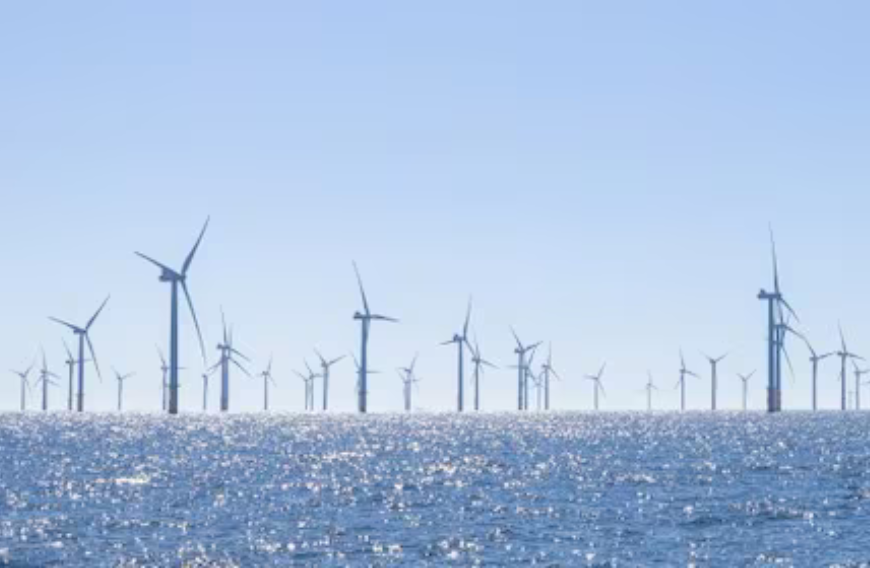
The Trump administration’s move to stop fully permitted offshore wind projects is “very damaging” to investment, Shell U.S. President Colette Hirstius told the Financial Times, according to a report published on Oct. 5.
Hirstius told FT that energy projects holding valid permits should be allowed to move forward and cautioned that U.S. political shifts could eventually turn against the oil and gas industry.
“I think uncertainty in the regulatory environment is very damaging. However far the pendulum swings one way, its likely that its going to swing just as far the other way,” she told FT.
Hirstius cautioned that U.S. political changes could eventually work against the oil and gas industry. “I certainly would like to see those projects that have been permitted in the past continue to be developed,” she said.
READ: Nvidia shells out nearly a billion dollars to hire CEO Rochan Sankar (
In August, the Trump administration announced it was withdrawing $679 million in federal funding for 12 offshore wind projects, delivering a major setback to an industry that had been a key focus of former President Joe Biden’s climate and energy initiatives.
Hirstius officially assumed the role of President, Shell USA, on Aug. 1, while continuing to serve as Executive Vice President of the Gulf of America, a key region responsible for roughly 15 percent of U.S. oil production.
The renaming of the Gulf of Mexico to the Gulf of America, enacted through an executive order by President Donald Trump in January, was widely adopted by major oil companies operating in the region. In her role overseeing the Gulf of America, Hirstius had to navigate the challenges posed by Biden’s stringent policies on offshore lease sales, which placed significant constraints on oil and gas development and posed risks to industry growth and investment. Her dual responsibilities require balancing operational leadership with strategic adaptation to the shifting regulatory and political environment impacting U.S. energy production.
READ: Accenture CEO fires employees, announces the restructure via video (
Shell remains the leading oil producer in the Gulf, operating 11 offshore facilities and maintaining a presence in the region since 1947. The company employs over 11,000 workers across the United States and invests approximately $10 billion annually, marking its largest capital expenditure in any single country.
“When we talk about the culture within Shell and the performance culture. I think one of the aspects that is in every fibre — and it’s not just in the US, its globally — is the idea of diversity, inclusion in order to unlock business opportunity,” Hirstius told FT. “It’s hard to step away from that. We wouldn’t want to,” she said.
Shell’s U.S. operations span oil, natural gas, petrochemicals, lubricants, and refined fuels, along with a growing portfolio of low-carbon energy solutions. The company emphasizes ensuring a reliable energy supply today while actively preparing to meet the energy demands and sustainability challenges of the future.