



As the steel industry around the world faces mounting pressure to decarbonize, Arabian Gulf Steel Industries (AGSI) is leading efforts in the UAE to align steel production with measurable sustainability outcomes.
AGSI is the world’s first certified Carbon Neutral and Net Zero Steel Manufacturing Facility, based in Abu Dhabi, UAE. Their steel is made from 100% locally sourced recycled scrap, supporting a fully circular economy. This process not only avoids emissions linked to traditional steelmaking but also recycles all operational waste, creating a closed-loop system that minimizes environmental impact.
With the tagline “Net Zero steel for a sustainable future,” AGSI was founded with a vision to be at the forefront of environmentally responsible manufacturing — the firm has grown into one of the Gulf region’s key players in the steel sector.
READ: Magure eyes unicorn status: In conversation with Akhil Koka at CARE and DATE 2025 (December 11, 2025)
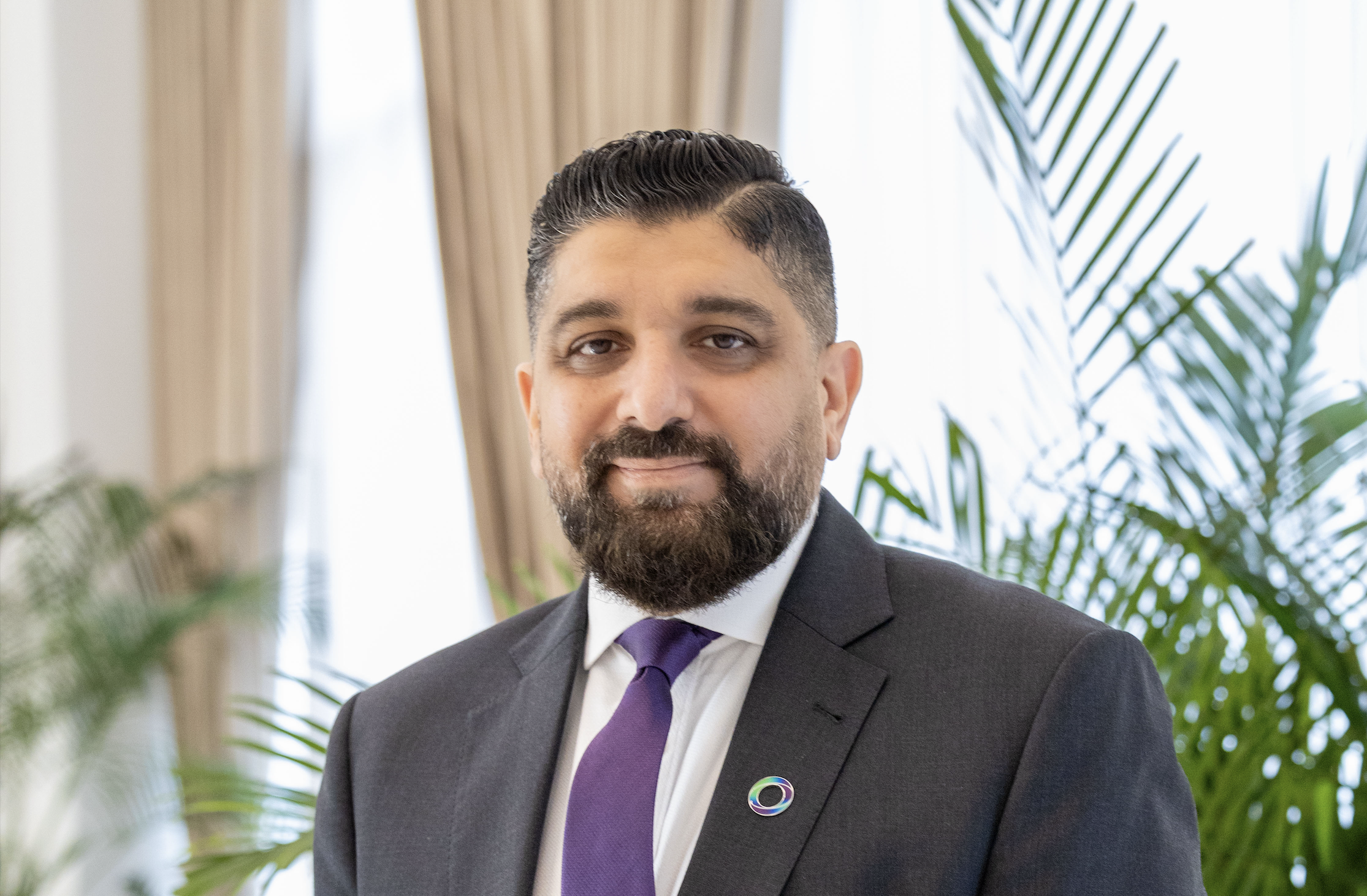
AGSI’s CEO Assam Hussain, has been instrumental in steering the company’s operational philosophy toward low-carbon steel production, digital innovation, and transparency across the value chain.
In an exclusive interview with The American Bazaar, Hussain outlines AGSI’s circular production model, carbon certification efforts, and opportunities for innovation in the steel sector.
The American Bazaar: What does sustainability look like in steel today from your perspective?
Assam Hussain: Sustainability in steel today is about moving from broad commitments to outcomes that can be measured and independently confirmed. It involves clearer reporting and greater accountability across the value chain.
This translates into the way we design and operate our plant. We focus on cleaner operations, full traceability of materials, and accurate monitoring of our environmental footprint. These elements are built into our systems and guide how we continue to develop and strengthen our production capabilities
How is AGSI working to cut emissions or make production greener?
AGSI reduces emissions through the way we operate and source our materials. We use an electric steelmaking route that avoids the direct emissions associated with traditional steelmaking, and our raw materials are entirely sourced from locally collected scrap, which supports a more circular use of resources. Our environmental footprint is independently verified, including PAS 2060 certification for carbon neutrality and third-party measurement of our carbon intensity. This allows us to maintain a consistent and transparent emissions profile that aligns with national industrial and climate priorities.
What challenges do you face in making low-carbon steel more mainstream in the region?
One of the main challenges is awareness. Many stakeholders still assume that lower-carbon steel is a specialized alternative rather than a practical option that can meet the same technical requirements as conventional products. There is also limited clarity in the market around how different production routes compare, which makes it harder for customers to distinguish between verified low-carbon steel and general sustainability claims.
READ: Hinge CEO leaves position to launch AI dating app (
Another challenge is the absence of consistent regional standards that define and classify carbon performance in steel. Clearer frameworks, similar to what we see emerging in Europe, would make it easier for developers and contractors to set requirements and for producers to demonstrate compliance. The direction of policy in the UAE is helping address this, and we are seeing growing interest from customers who want transparency and reliable data.
Where do you see the biggest opportunities for innovation in the steel industry right now?
The most significant opportunities lie in the integration of digital systems with clean production technologies. Advancements in scrap processing, real-time emissions tracking, energy-efficiency optimisation, and material traceability are changing how steel is produced and accounted for.
There is also vast potential in circularity; designing supply chains where scrap, finished steel, and construction waste stay within a closed loop. Partnerships with developers and industrial players can reimagine how materials flow across the lifecycle of a project. Finally, as global markets introduce carbon-border mechanisms and embodied-carbon requirements, producers who innovate in low-carbon steel will be positioned to meet new export and regulatory opportunities.