



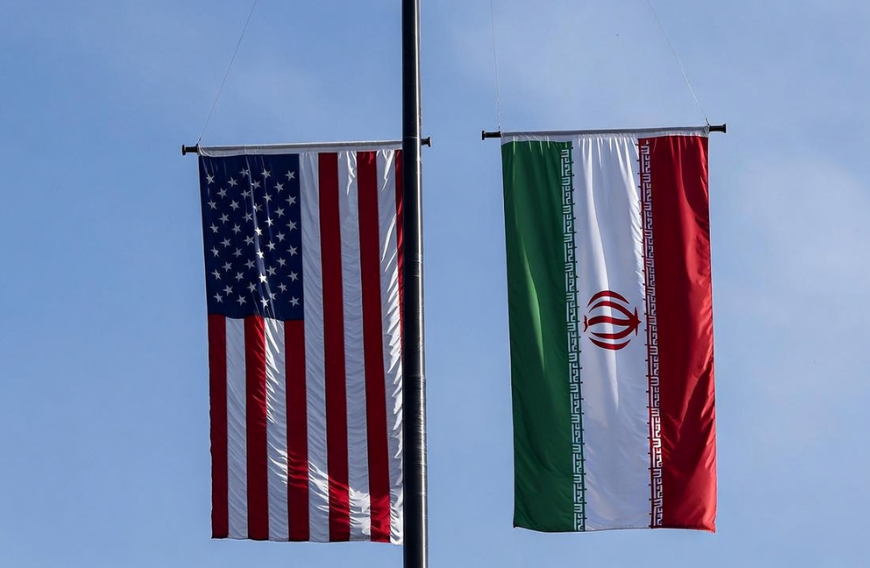
The United States has signaled cautious optimism over ongoing negotiations with Iran, even as uncertainty grows around a looming ceasefire deadline in the Middle East. Officials involved in the talks say both sides have made incremental progress, but major differences remain, leaving the outcome far from certain.
The discussions come against the backdrop of long-standing tensions between Washington and Tehran, rooted in disputes over Iran’s nuclear program, regional influence, and economic sanctions. Efforts to revive a diplomatic framework have faced repeated setbacks recently, with both countries balancing domestic political pressures and strategic priorities.
In the current round of talks, negotiators have focused on narrowing gaps related to sanctions relief and nuclear compliance. U.S. officials have described the tone of discussions as constructive, suggesting that both sides are exploring practical compromises. However, they also acknowledge that critical sticking points continue to slow progress, particularly around verification measures and the scope of Iran’s nuclear activities.
READ: Airfare alert: US–Iran tensions send jet fuel prices above $100 (April 21, 2026)
The situation has grown more urgent as a ceasefire deadline tied to broader regional tensions approaches its expiration. Diplomats warn that failure to reach an agreement could escalate instability, especially in already volatile areas. Concerns persist that a breakdown in talks may trigger renewed confrontations, complicating efforts to maintain regional security.
Key issues in the negotiations include the sequencing of sanctions relief, compliance guarantees, and mechanisms to ensure transparency. Iran has pushed for immediate economic relief, while the United States has emphasized the need for verifiable commitments. These differences have made it difficult to finalize a comprehensive deal, despite signs of mutual willingness to continue dialogue.
READ: From ceasefire collapse to blockade: How Pakistan rose and India stood still in the US-Iran crisis (April 13, 2026)
Possible outcomes range from a limited interim agreement to a broader, more durable framework. Analysts suggest that even a partial deal could ease tensions temporarily, while a failure to agree may deepen mistrust and prolong the standoff.
The global significance of these talks extends beyond the two countries. Energy markets, international security, and diplomatic relations across the Middle East all hinge on the outcome. Allies and adversaries alike are closely watching for signals that could reshape regional dynamics.If successful, both nations stand to gain. The United States could reinforce its diplomatic credibility and stabilize a critical region, while Iran could secure economic relief and reduce international isolation.