



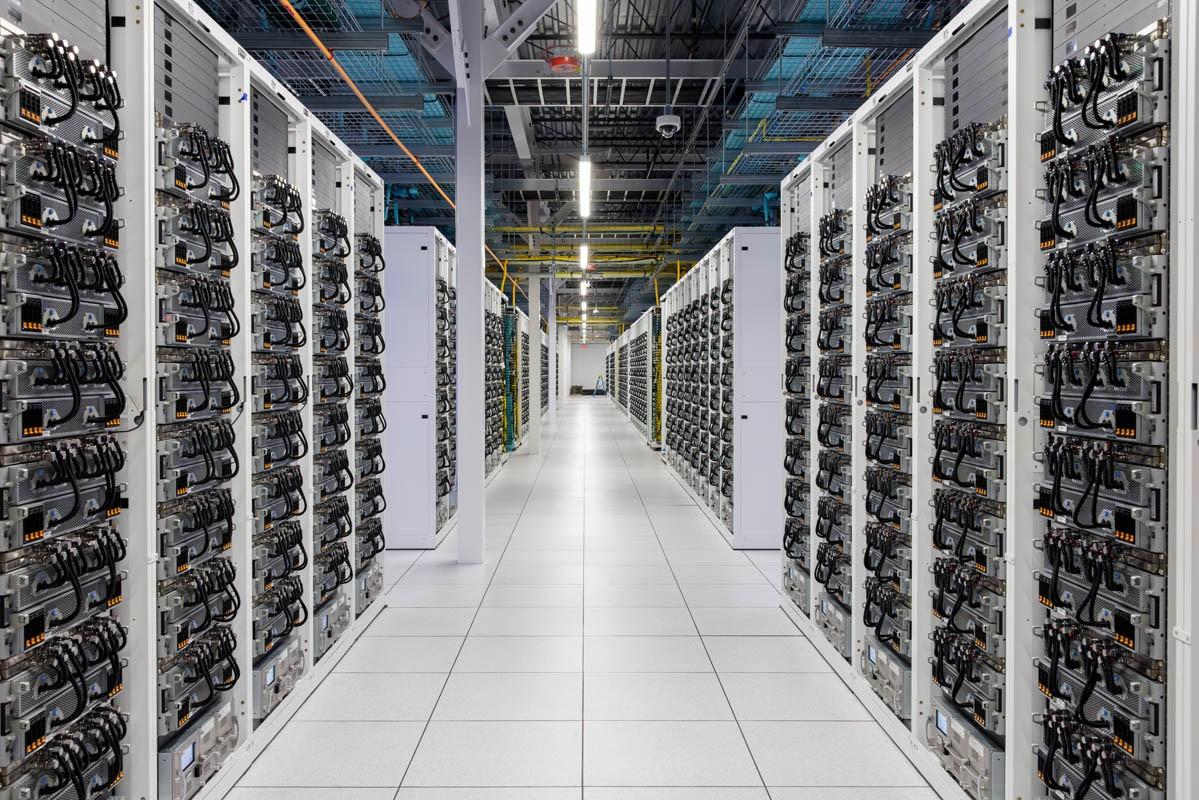
A growing backlash against data center projects across the U.S. is raising concerns in the technology industry as communities and policymakers scrutinize their impact on electricity grids, water supplies and the environment. The opposition has intensified as companies race to build the infrastructure needed to support the rapid expansion of artificial intelligence.
The backlash has come from across the political spectrum with Republican Texas Gov. Greg Abbott, potential Democratic White House hopeful Josh Shapiro and Michigan GOP Senate nominee Mike Rogers being among the leaders pushing back against data centers.
While some tech leaders have been dismissive of the backlash, believing it is a “fleeting storm generated by candidates seeking wedge issues for November.” However, others have called it “wishful thinking.”
“AI is going to be a massive issue for the presidential election in a way that technology has never been an issue,” a representative from a major AI company told Politico, adding: “Nobody wants to lose their job and they’re already feeling squeezed while these very, very rich people who are richer than anything we have ever seen in the history of Earth are making more. And I think people are sick and tired of that.”
READ: Skanska signs $1.19 billion deal to build data centers in US (August 20, 2026)
“Some are viewing it as an ‘oh shit’ moment,” an AI industry advocate told Politico. “Others are brushing it off like it’s nothing, and those people have to get their heads out of their asses. This could go south for them, fast.” The report also pointed to the growing, bipartisan push for temporary moratoriums on data center construction, which was previously associated only with progressives like Bernie Sanders.
Last week, Pennsylvania governor Josh Shapiro signed an executive order that would require local community approval before the state grants them permits to build, despite previously positioning his state as a hub for data centers. “I will not allow Pennsylvanians to be bullied by greedy developers and bulldozed by the lawyers working for these big tech companies,” Shapiro wrote on X. Shapiro is running for reelection against Stacy Garrity, who has endorsed a temporary moratorium on data centers in Pennsylvania.
Abott this month paused approval for new data center buildouts while state regulators and power grid operators conduct audits that will collect information including the projects’ tax breaks, ownership and proposed water use.
Meanwhile in Michigan, Republican Mike Rogers voiced support of a one-year moratorium on building new data centers, possibly putting him on par with his progressive Democratic opponent Abdul El-Sayed, who called for stricter standards on data center impacts throughout his campaign and later endorsed state and local moratoriums until Congress can enact national standards.
READ: Nvidia to partner with OpenAI on $250 billion data center plan, invest $1 billion in Naver (July 27, 2026)
States are also increasingly reeling in their incentives for data centers. Virginia, which is considered the “data center capital” has imposed a consumption tax on their energy usage. Eight states in 2026 enacted legislation rolling back data center tax subsidies, while another 17 considered legislation, according to the Center on Budget and Policy Priorities, which opposes tax breaks for businesses.
Tech companies and AI supporters have reacted to this backlash in different ways. While some have condemned this pushback, others seem to believe that the newfound attention, if used properly, can help communities and government leaders understand the positive impacts of these data facilities.
“What are the real concerns, and what are the real benefits? And what do we need to do to address the concerns and recognize the benefits?” said Gordon Bitko, executive vice president of public sector at ITI, a tech trade group that represents Amazon, Google and Vantage Data Centers.
“We, the tech industry, would be thrilled if an active part of the 2028 presidential election was about how do we build the right modern infrastructure for our economy,” he said.