



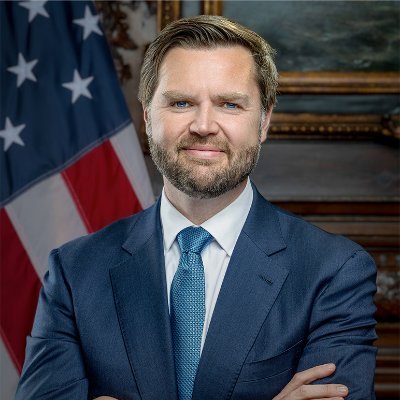
Vice President JD Vance on Wednesday urged Congress to pass legislation strengthening the Trump administration’s campaign against fraud in federal programs. He said the White House has identified $230 billion in suspected fraud and prevented $56 billion in improper payments since launching its anti-fraud task force.
Speaking during a congressional roundtable on anti-fraud initiatives, Vance said executive actions alone would not be enough to sustain the administration’s efforts and called on lawmakers to make key reforms permanent.
“This effort will fundamentally always have a limitation unless our colleagues in the House and the Senate are working with us,” Vance said, adding that Congress should codify the administration’s anti-fraud measures into law.
READ: Inside Vance’s high-wire Iran strategy and his 2028 calculations (March 29, 2026)
Vance described fraud as a “dual victim crime,” arguing that it harms both taxpayers and Americans who rely on government assistance programs. He said fraud drains resources from programs such as Medicaid and nutrition assistance, making them less effective for eligible recipients.
A central part of the administration’s proposal is expanding data-sharing between state and federal governments. Vance said the federal government often lacks sufficient visibility into who ultimately receives benefits administered by states and argued that improved information sharing would help detect fraudulent claims more quickly.
Federal Trade Commission Chairman Andrew Ferguson said weak penalties and outdated systems have enabled large-scale fraud. He argued that better technology and stronger verification measures could prevent billions of dollars in improper payments before they are issued. “Data is the enemy of fraud,” Ferguson said, while calling for greater coordination across government agencies.
READ: At Iran talks, JD Vance names his ‘Favorite’ Indian and Pakistani (June 21, 2026)
White House Deputy Chief of Staff Stephen Miller also urged Congress to impose tougher criminal penalties, including mandatory minimum sentences for fraud involving federal benefit programs. He argued that existing laws do not adequately deter organized fraud schemes targeting taxpayer-funded programs.
White House Domestic Policy Council Director Vince Haley outlined what he described as 10 legislative proposals designed to strengthen the administration’s anti-fraud strategy.
Vance said the administration will continue working with lawmakers on three priorities: improving data-sharing, increasing criminal penalties for fraud, and providing additional resources for federal fraud investigations.