



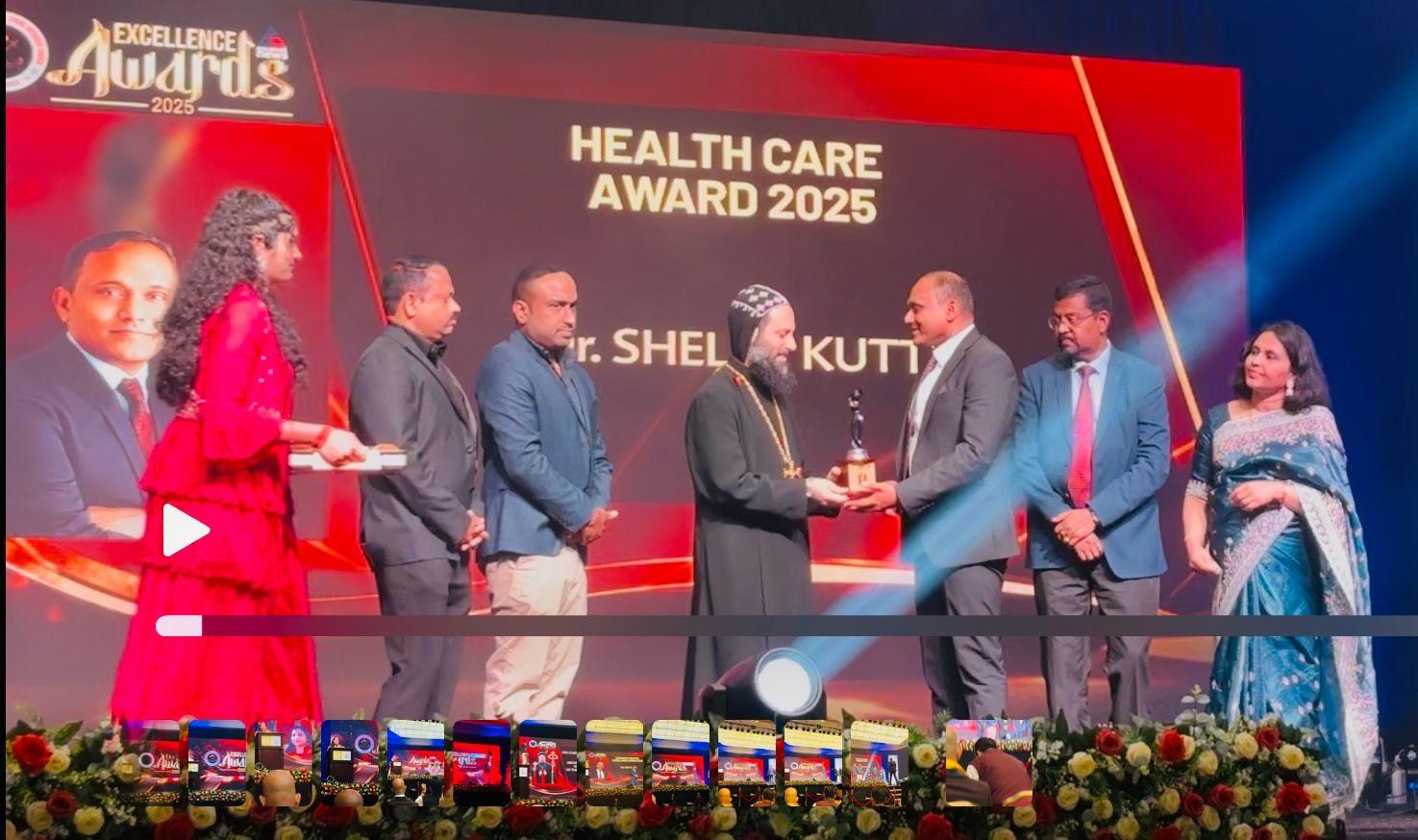
Washington, D.C. — Delivering thoughtful remarks at a high-profile ceremony in the U.S. capital, distinguished physician-scientist and leader Dr. Shelby Kutty proposed the creation of a Kerala-based medical research endowment to address the region’s unique and evolving health needs.
Dr. Shelby Kutty was awarded the Asianet News Malankara Sabha Health Care Excellence Award in recognition of his outstanding contributions to the field of medicine and community service. The award was presented in Washington, D.C., on July 17, in the presence of esteemed dignitaries and media representatives, during a ceremony hosted in partnership with the Malankara Archdiocese of the Syrian Orthodox Church in North America.
A luminary in academic medicine with over two decades of experience, Dr. Kutty has held prominent leadership roles, including Associate Dean at the University of Nebraska, Director of the Taussig Heart Center and Chair of Analytic Intelligence at Johns Hopkins University, and currently serves as System Vice President and Chief Academic Officer at BayCare Health System.
In his speech, Dr. Kutty noted that while Kerala has made significant strides in healthcare, many complex and increasingly common diseases remain under-researched. He pointed to the rise in heart disease among non-smoking, non-obese young adults, emphasizing the need for Kerala-led efforts to discover diagnostic markers using genetic, metabolic, and inflammatory data.
READ: Florida’s BayCare Health appoints Johns Hopkins’ Dr. Shelby Kutty as vice president (February 3, 2025)
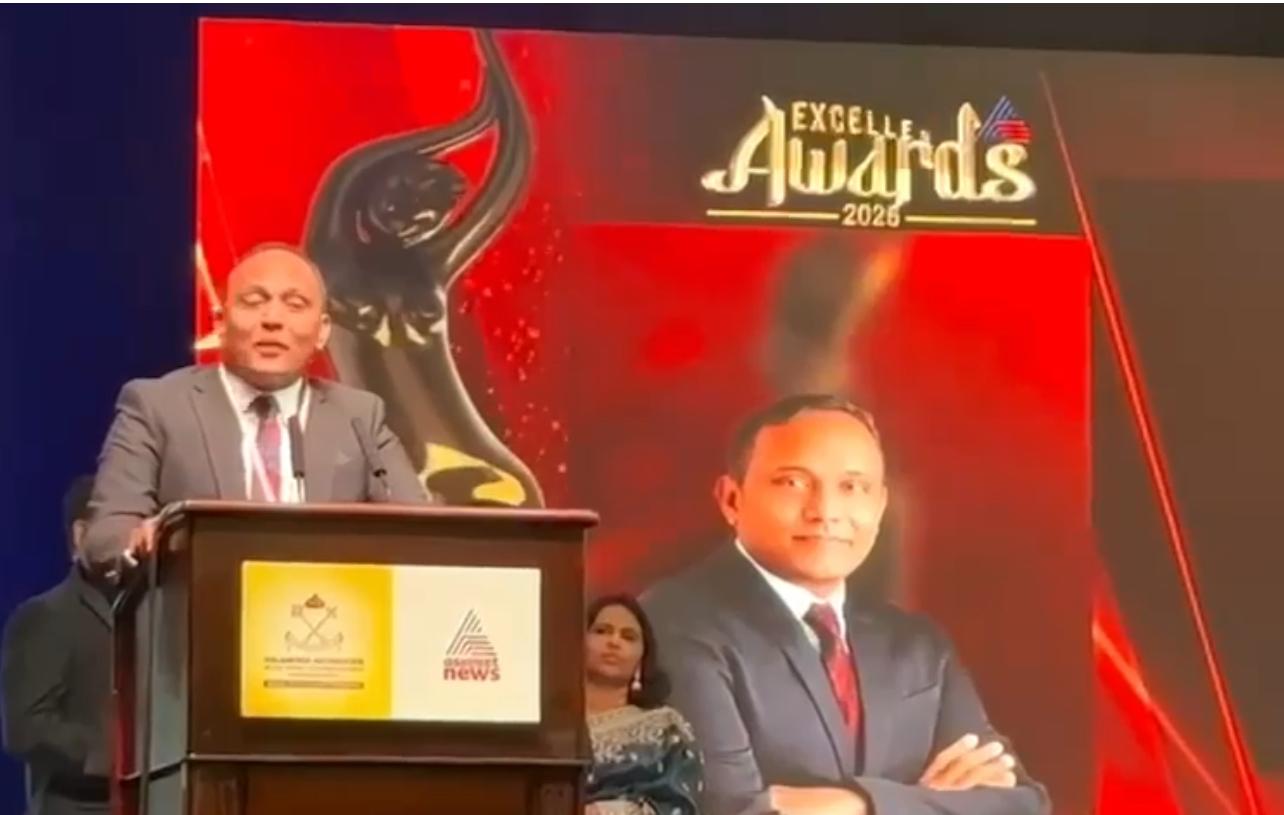
He also highlighted the increasing incidence of lung cancer in non-smokers, urging investigation into the roles of air pollution and environmental exposures. “These are not questions that can be answered by relying on Western datasets. We must find the answers ourselves,” he said.
To address these gaps, Dr. Kutty proposed a “Research Fellowship of Love for Our People” — a medical research endowment led by the Malankara Church, based in Kerala. This initiative would support four to five annual grants for young investigators, fostering local research and evidence-based medical practice.
“This would not only improve clinical care,” Dr. Kutty noted, “but also build the confidence that we can develop solutions to our own health challenges.”
He expressed confidence that the Association of Kerala Medical Graduates (AKMG)—with members in the U.S., UAE, and beyond—would strongly support the endeavor.
Dr. Kutty concluded with a hopeful call to action: “Religious institutions have an important role in public health. When charity and knowledge come together, the impact can be profound. Let the Church and science work hand in hand to uncover solutions to Kerala’s health issues—and together, forge a new path forward.”